Russians killed seven people in Ukraine by shelling, including two families, on November 13
Seven civilians were killed and 10 injured in Russian shelling on November 13, 2025, with strikes hitting the Zaporizhzhia and Kharkiv regions and causing further casualties in Donetsk, Kherson, and Dnipropetrovsk, according to the National Police.
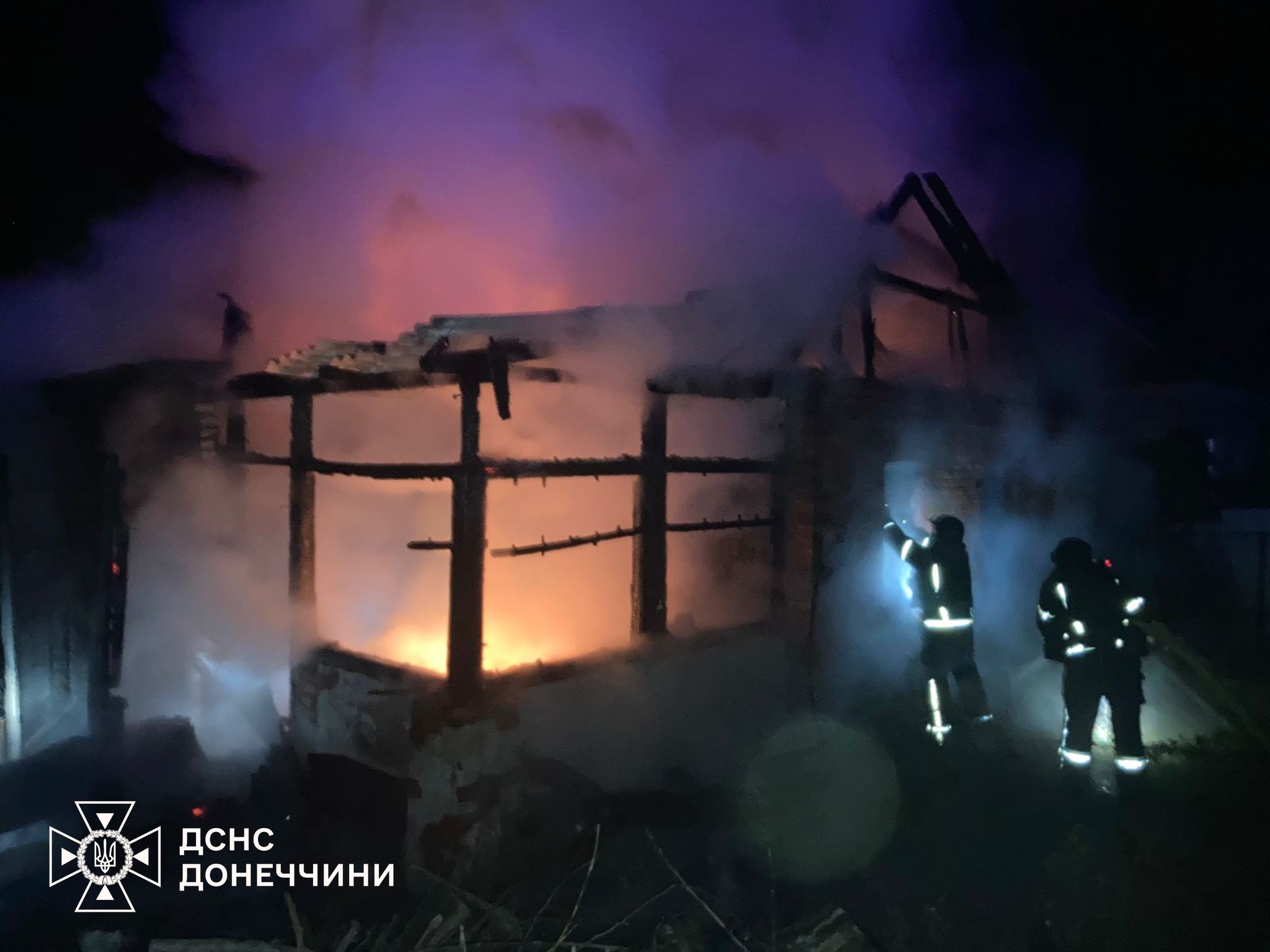
At least three people were killed that day — two women and one man from the Izium District of the Kharkiv Oblast, where Russian forces used a remotely controlled drone, leaving another woman hospitalized.
Four more people were killed — two families — in the Zaporizhzhia District in a similar drone strike, where the operator was also able to see the target.
Read also: Russian drone attacks on civilians amount to crimes against humanity – UN Commission
Overall, the Zaporizhzhia region sustained over 700 strikes for the day, the vast majority of which were drone attacks. In addition to the fatalities, one man from the village of Husynka was also wounded in the Kharkiv region.
Russian attacks injured three people each in the Donetsk, Dnipropetrovsk, and Kherson regions.
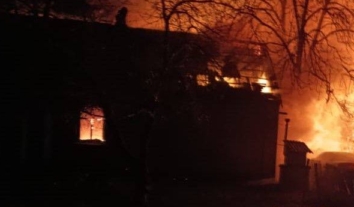
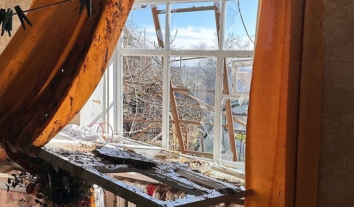
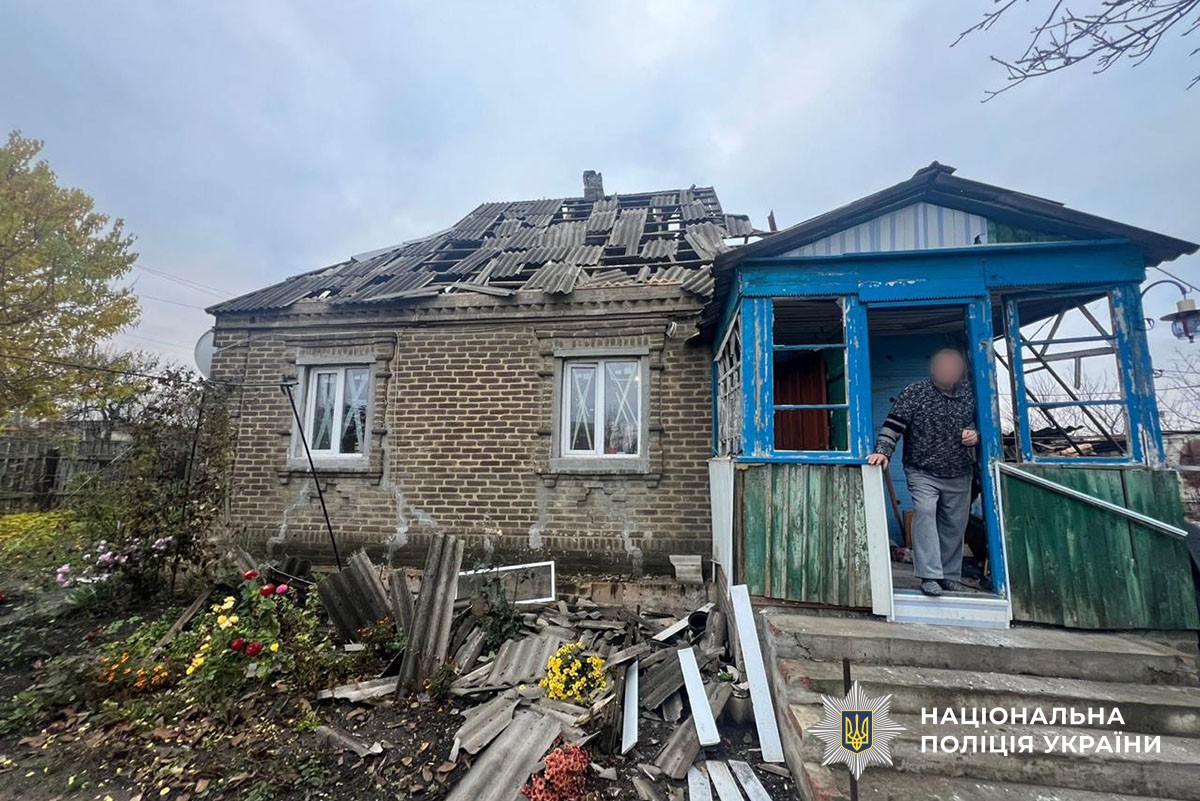 A man in the Donetsk region steps out of his house into the yard, which was damaged by a Russian strike on November 13, 2025
In the Donetsk Oblast, the wounded included two city residents from Kostiantynivka and one person from Kramatorsk.
In the Dnipropetrovsk region, two men and one woman were injured in the Pokrovska hromada – a local government area that includes one or more nearby settlements. In the Kherson Oblast, the injured included two Kherson city residents and one police officer who had his foot amputated after being injured by a “petal” landmine.
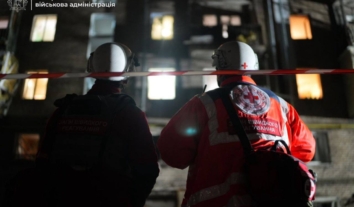
On the night of November 13, two ambulances were damaged by the same type of mines, though no one was injured. Russia is actively mining the Kherson riverbank from the occupied side of the Dnipro. Earlier, ZMINA explained the dangers of the “petal” mines and provided guidance on how to stay safe.
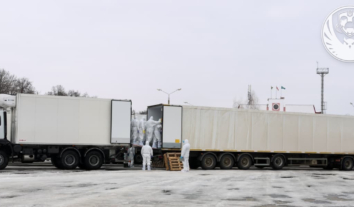
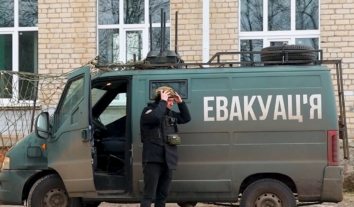
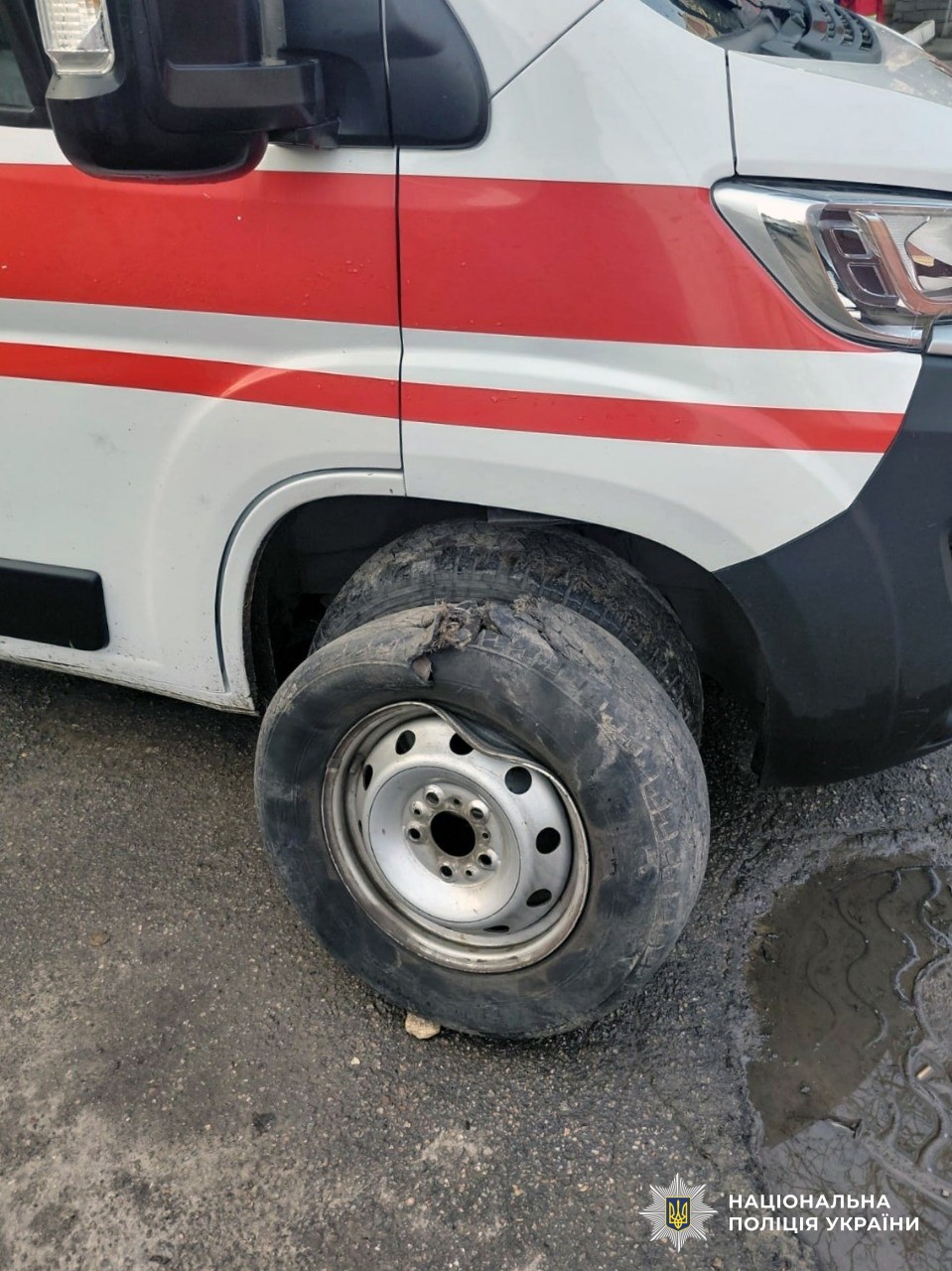 One of the ambulances that was damaged by Russian mines on the night of November 13, 2025, in the Kherson region
On November 12, Russian strikes in Ukraine killed one elderly man in the Kherson region.
Overall, as a result of Russia’s full-scale invasion of Ukraine, more than 14,300 civilians have been killed as of September 2025. Casualties and injuries have significantly increased this year due to the weaponry the Russians are using to shell Ukraine.
Meanwhile, Ukrainian experts point out that China, North Korea, Iran, Hungary, and Brazil assist Moscow in killing citizens of Ukraine in Russia’s war, including funding the Russian budget through trade.
Previously, the Ministry of Foreign Affairs announced that Ukraine would close its embassy in Cuba and downgrade ties over Havana’s complicity in Russian aggression.
Newly appointed Ukrainian Ambassador to the UN Andriy Melnyk stated in an interview with Suspilne broadcaster that Brazil paid Russia almost $10 billion for 6.5 million tons of diesel.
Over the last three and a half years, China has become a critically important partner for the Russian Federation. While Beijing officially declares its neutrality, Western intelligence and analytical studies indicate otherwise. For instance, China does not supply weapons directly to Russia, but it provides critically important components, including machinery, microelectronics, specialized chemicals, optics, gunpowder, and ammunition components.
In 2024, then-U.S. Secretary of State Antony Blinken stated that 70% of heavy industrial equipment and 90% of all microelectronics are sourced from China, which then flow into Russia.
Furthermore, according to recent NATO intelligence data, 80% of all Russian drones consist of Chinese parts.
According to The Telegraph newspaper, Chinese firms supplied sanctioned Russian companies with at least £47 million ($57.4 million USD) worth of parts between 2023 and 2024. Almost a quarter of the value of these supplies went to firms that produce Shahed-type drones.
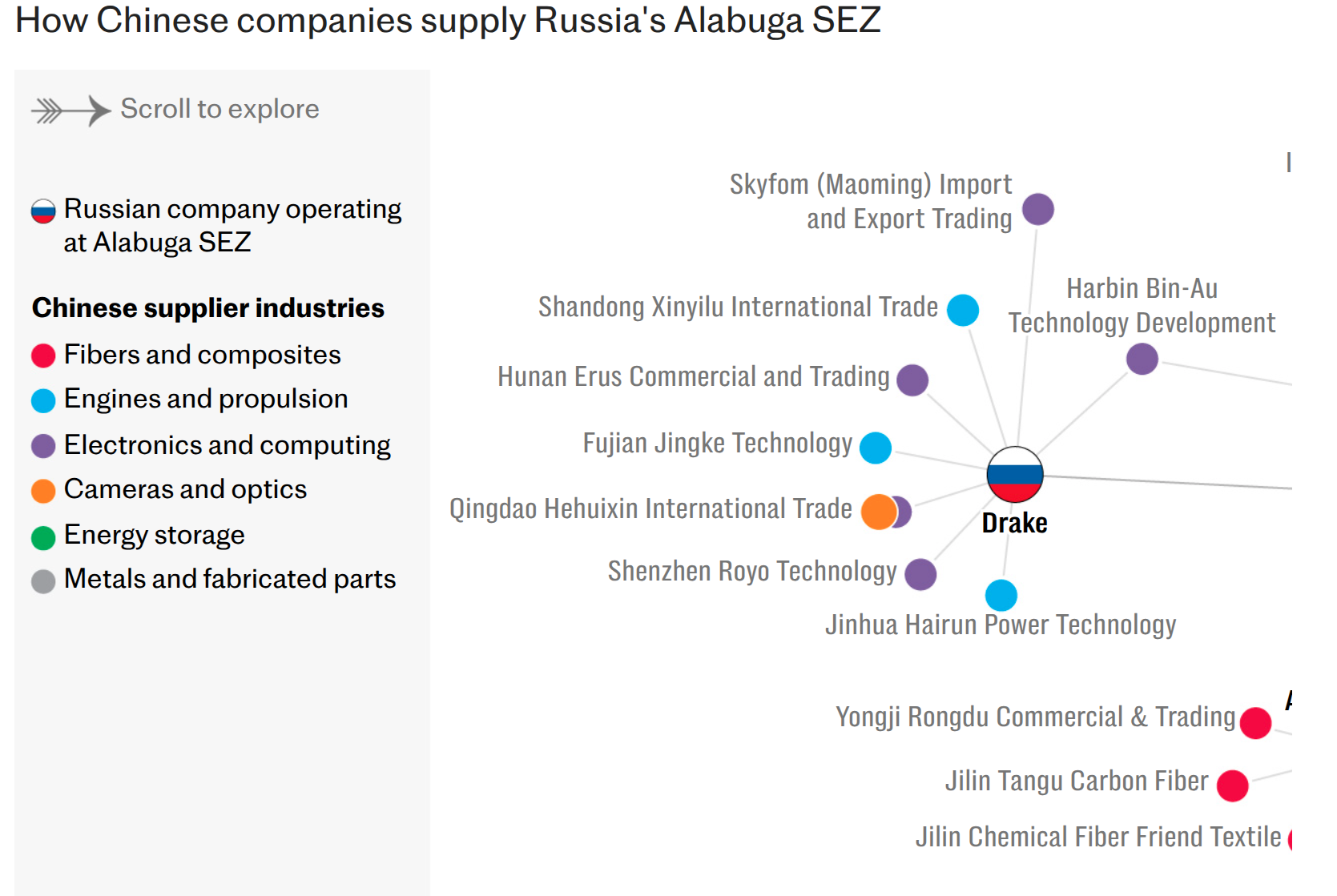
Moreover, the Foreign Intelligence Service of Ukraine stated that China is also providing intelligence to Russia. The Kremlin used this data to prepare missile strikes, particularly against objects belonging to foreign investors, though the specific targets were not clarified. China denies these accusations.
Following the imposition of Western sanctions, Beijing has become a key supplier to Russia of cars, clothing, raw materials, and a range of other goods. In 2023, Russia-China trade turnover set a historic record, exceeding $240 billion, which is more than 60% higher than before Russia’s invasion of Ukraine, according to Chinese customs data.
Reuters also reported that China is buying oil and gas from Russia. The average daily volume of oil is more than two million barrels per day. During Vladimir Putin’s visit to Beijing, the countries signed a document for the supply of 106 billion cubic meters of gas per year to China.
Join our community on X and LinkedIn, and while you’re reading, let us know how we can serve you better – take our feedback survey here.