Russians dubbed torture ‘lie detector’, ‘gym’, and ‘swimming lessons’ in Kherson Pre-trial Detention Centre – International Partnership for Human Rights reports
Beatings, hangings, electric shocks, and water torture were among the most common methods of abuse inflicted on civilians by Russian forces during their occupation of Kherson, according to a report from the Belgian non-governmental organisation International Partnership for Human Rights (IPHR). Many illegally detained civilians suffered irreversible health consequences as a result.
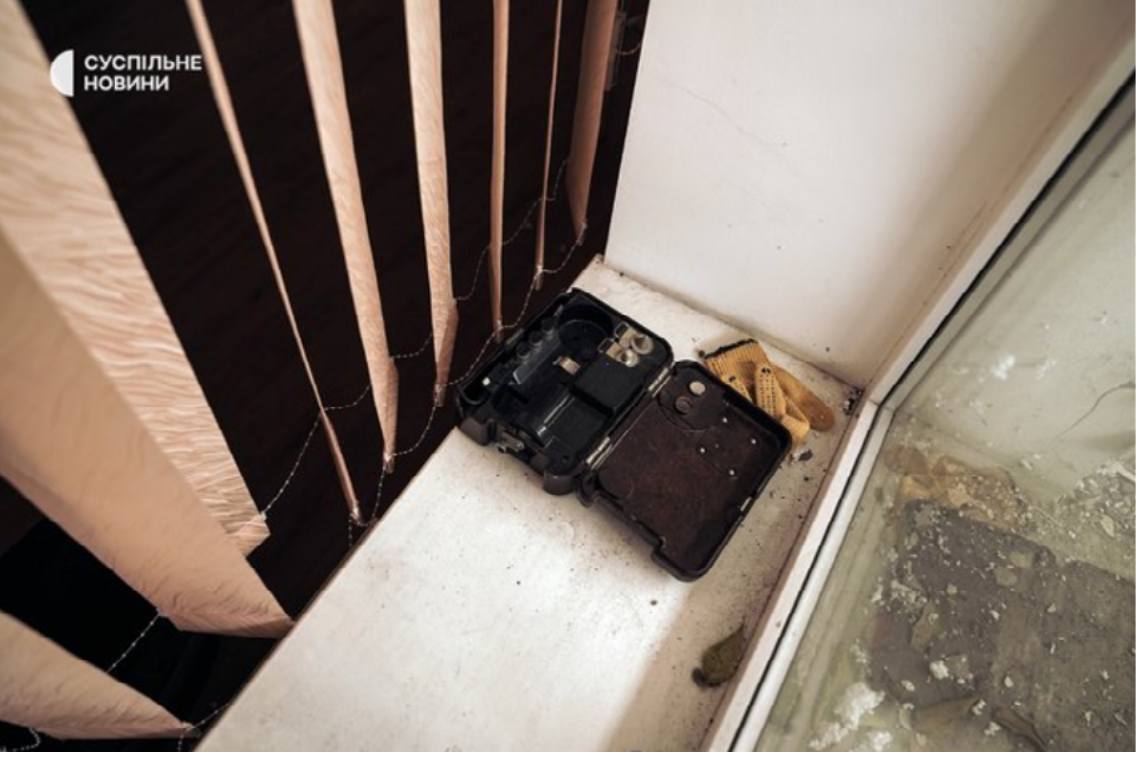
The IPHR report details the widespread torture methods employed at the Kherson Pre-trial Detention Centre. These included relentless beatings with hands, feet, truncheons, rifle butts, and chairs.
“Forty-three out of 59 detainees reported beatings, often leading to broken ribs. One detainee was hung by his hands from the ceiling and beaten. Two others were also suspended by their hands and left in that position. Russian guards referred to this torture method as ‘the gym’,” the document states.
Another prevalent torture method involved electric shocks. The IPHR found that in addition to the military field telephone TA-57, known as “Tapik,” representatives of the Russian Federation used car batteries, welding machines, and tasers on captives. When applied to the genital area, these electric shock torture methods were cynically called “a call to Zelensky”, “a call to Biden”, “a lie detector”, or a “physical polygraph”. Analysts suggest these names indicate the systematic and coordinated nature of such practices by Russians.
“Guards attached terminals (clips or ‘crocodiles’) to various parts of the victims’ bodies and sent electric current through them. Most often, they were attached to earlobes or fingers, as well as to legs, backs, shoulders, ribs, nipples, and eyebrows… Most victims lost consciousness after repeated electric torture for extended periods. Those interviewed also recounted that from severe pain, they couldn’t speak or bit their tongues. They felt as if their organs were being turned inside out or their bodies were being twisted,” the IPHR notes.
Water torture, which Russians called “swimming lessons”, was another form of physical abuse. During this, one guard would hold a captive’s face upwards, covered with a T-shirt or cloth, while another poured water from a five-litre bottle through the fabric into their throat. This created the sensation of drowning and caused the victim to choke.
“Nine people reported water torture. One survivor had 150-200 litres of water poured on him during an interrogation. Usually, electric shocks were applied to the victim soon after the water dousing,” the IPHR report states.
In addition to the physical torture, Russians subjected illegally detained civilians to constant psychological pressure. According to IPHR representatives, one victim was forced to write a farewell note. Another man was driven to a bridge and ordered to jump into the water, only to be stopped at the last moment. Yet another illegally imprisoned individual was taken to a cemetery, ordered to lie in a grave, shot at over his head, and threatened with execution.
“Others were threatened with torture, the murder of their family members, life imprisonment, or the death penalty. Sometimes, the fate and whereabouts of detainees were deliberately concealed from their families,” the report highlights.
Human rights defenders emphasise that the torture led to severe health consequences for the victims. Some could not walk after the torture and had to crawl to their cells. Others could not stand for a week due to broken ribs, arms, legs, fingers, and jaws.
“One victim, whose jaw was broken by Russian interrogators, couldn’t eat until he had surgery after his release. Nine victims reported that their bodies were completely ‘blue’ (covered in bruises) from the endured torture. Electric shock torture caused burns and swelling on various parts of the victims’ bodies. One interviewee lost hearing in his left ear, where he was beaten, and another lost sight in one eye. Another developed tissue necrosis in his leg and had to be hospitalised,” international experts describe the consequences of Russian abuse.
The IPHR report is based on the testimonies of 59 victims, gathered during field missions in the Kherson region. Researchers found that Russian occupation authorities in Kherson primarily detained men aged 30 to 50, the working-age population perceived by the occupation regime as the greatest threat. Among the captives illegally held in the Kherson Pre-trial Detention Centre, over 27% were women, and at least 20% were elderly individuals or people with disabilities.
As previously reported by ZMINA, “women’s cells” were set up in the Kherson Pre-trial Detention Centre. Researchers from the Human Rights Centre ZMINA were able to establish that at least thirty women were held in the detention centre at various times. They were detained throughout the summer, primarily in July and August 2022, and held until late October, when Russian troops began their retreat from the right bank of the Kherson region.
Detained women were suspected, among other things, of partisan activities and assisting the Armed Forces of Ukraine. Specifically, law enforcement officers of Ukraine were deliberately targeted for detention. Individuals suspected by Russia of having contact or family ties with Ukrainian law enforcement, the Armed Forces, or the resistance movement in the temporarily occupied territories of the Kherson region were also detained.
Among the women held in the Kherson Pre-trial Detention Centre were a former volunteer for “Right Sector” who assisted in a military hospital, an employee of the Kherson Regional Communal Emergency Rescue Service, a human resources worker for paramilitary security, a homemaker, a cadet of the Ivan Kozhedub Kharkiv National Air Force University, an employee of the Patrol Police Department, and a gymnasium deputy director.
Another category of detainees included those used as hostages to apprehend family members, relatives, and acquaintances.
Russians also tortured Ukrainian women, especially those professionally connected to Ukrainian law enforcement, the Armed Forces, or those suspected by Russian representatives of ties to the Ukrainian resistance movement. Most often, women were tortured with electric shocks, water, and beatings. There was also a documented case of sexualized torture where a victim was given electric shocks to the breasts. Threats of violence were also common.
ZMINA continues to report on the ongoing international crimes in the Kherson Oblast.