Russian shelling kills two across Ukraine on March 25
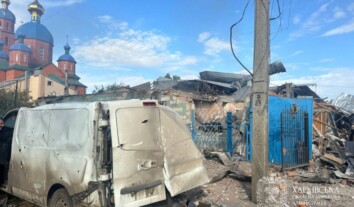
As a result of Russian military strikes on March 25, 2026, two civilians were killed in the Kharkiv region, while at least 24 others sustained injuries across the Sumy, Kherson, Donetsk, Zaporizhzhia, and Dnipropetrovsk Oblasts, according to the National Police of Ukraine.
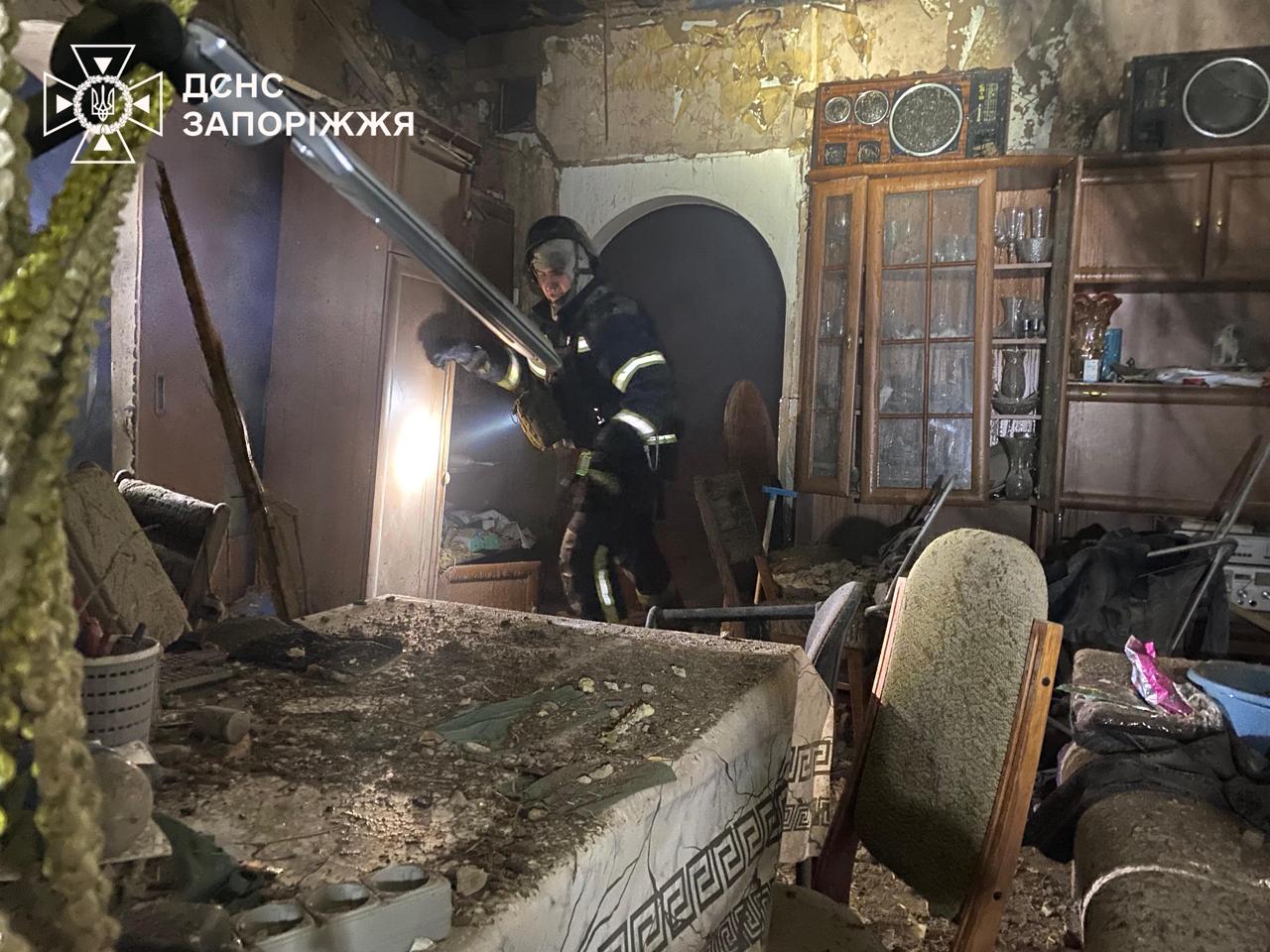 A rescuer inside an apartment damaged by a Russian strike in Zaporizhzhia
Toll of Russian shelling across Ukraine includes several civilian fatalities and dozens of injuries.
Fatalities are:
- An elderly woman from Kharkiv, who succumbed to severe injuries in the hospital following a morning enemy strike.
- An elderly driver, whose vehicle was targeted by a Russian drone near Klynova Novoselivka.
In addition to those killed, numerous civilians were wounded, with at least eight casualties in the Kherson Oblast alone. Russian forces launched strikes on Bilozerka during the morning and afternoon, injuring six people, and later shelled Kherson, wounding two more elderly women.
Furthermore, nine people were injured by Russian strikes in the Kharkiv Oblast: six residents in the regional center and three elderly women in the village of Pechenihy.
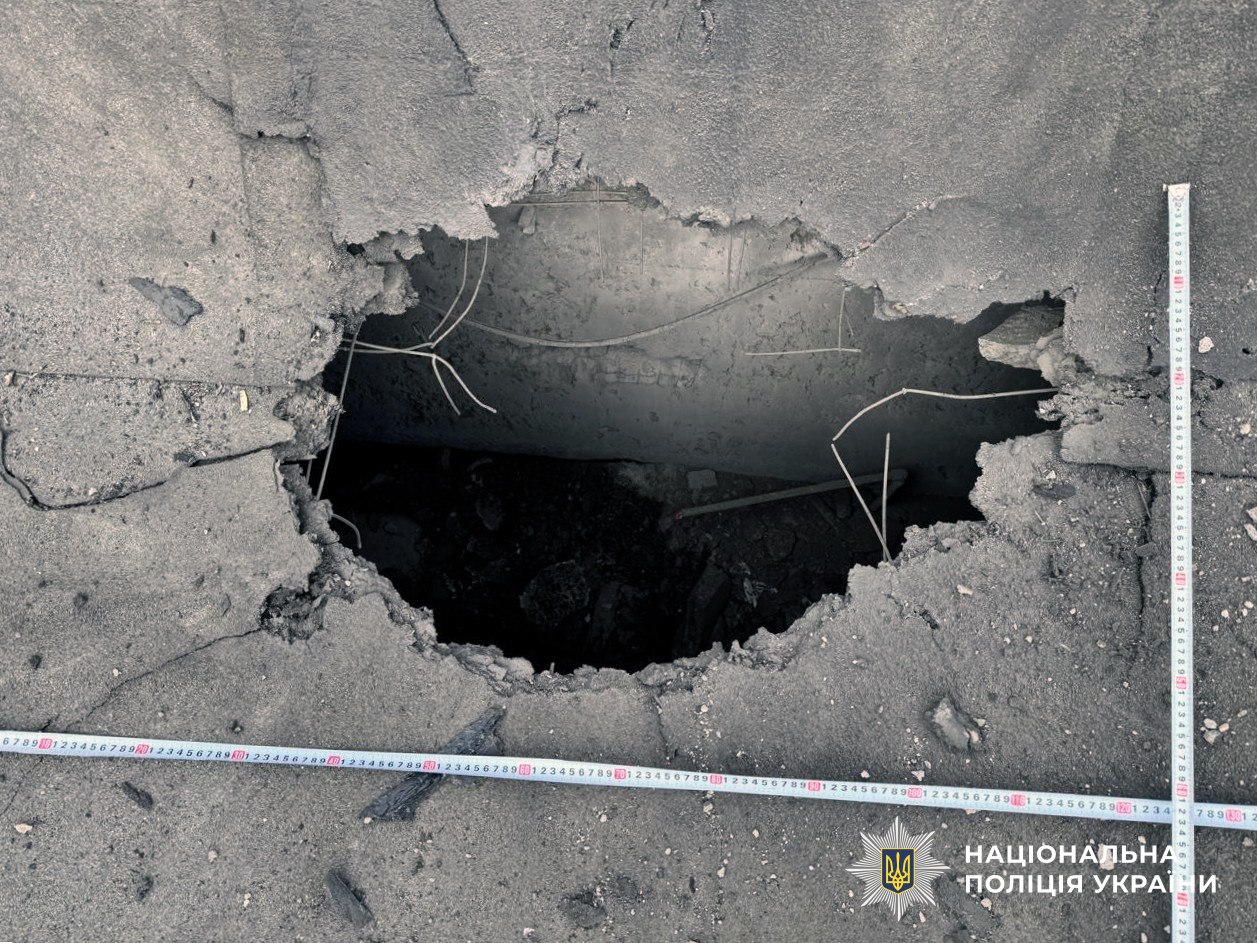 A hole in the roof of a high-rise building in Kherson hit by the Russian military
In the Dnipropetrovsk region, March 25 concluded with two casualties: first, Russian forces targeted private homes in Nikopol with a drone, critically injuring a man; later, a resident of the Verkhivtseve territorial “hromada,” a local government area that includes one or more nearby settlements, was also wounded.
In the Sumy Oblast, Russian troops wounded three civilians in drone attacks. Notably, these were camera-equipped drones, allowing the operators to clearly see their targets before striking.
You may also want to read: Russian drone attacks on civilians amount to crimes against humanity – UN Commission
Additionally, two people were injured in both the Donetsk and Zaporizhzhia regions that day. These cases involved a resident of Slovyansk and a woman from Zaporizhzhia, respectively.
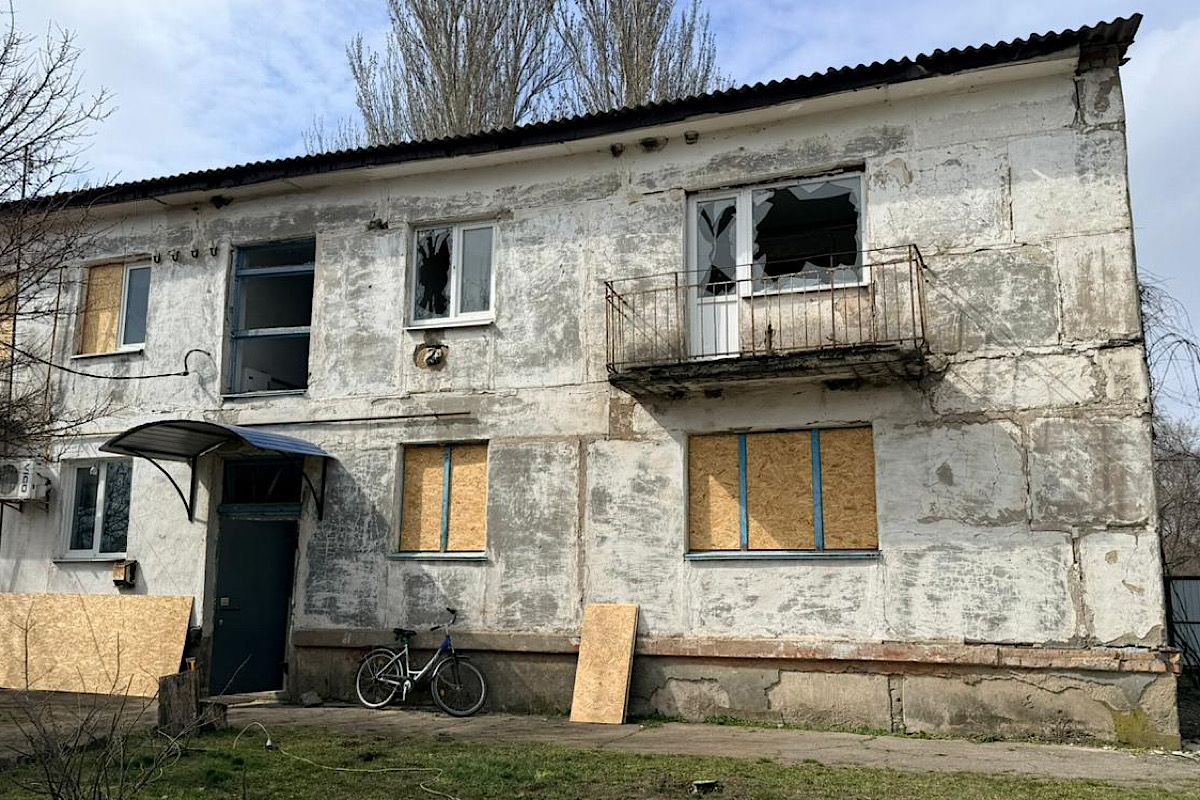 A house in the Dnipropetrovsk region damaged by Russian shelling. Photo: National Police
To provide background, Russian military shelling on March 24 killed nine people in Ukraine. Over more than four years of war, the civilian death toll alone has surpassed 15,000.
Previously, President Volodymyr Zelenskyy, in an interview with Le Monde, stated that Moscow’s revenues are currently measured in billions, bolstered by the easing of sanctions on the Russian Federation’s energy sector—specifically regarding petroleum products.
He stressed that the coordinated sanctions policy of various nations directly reduced Russia’s capabilities by diminishing its energy export earnings.
“The Russians were bypassing sanctions — we saw all of it — but one way or another, their revenues were lower. Consequently, less money was being spent on the defense sector,” the President emphasized.
According to Zelenskyy, Russia’s budget deficit has been growing annually, reaching its peak at the start of 2026.
“At the end of 2025, the Russians faced a deficit of $83 billion, plus an additional $19 billion carried over to early 2026. According to our forecasts, the 2026 deficit was expected to reach approximately $100 billion,” he noted.
“This certainly does not contribute to reducing the intensity of hostilities in Ukraine, nor in Iran. Russia will, in one way or another, continue to support the Iranian regime,” Zelenskyy concluded.
Meanwhile, Bloomberg warned that Ukraine risks running out of money to pay for its defense against Russia within two months as a multitude of factors converge to threaten tens of billions of euros in assistance from the country’s key donors.
A series of recent setbacks from Hungary’s veto of a €90 billion ($104 billion) European Union loan to a spat over the International Monetary Fund’s latest aid package and a faltering NATO weapons initiative have significantly reduced Ukraine’s room for maneuver.
The fate of the loan is likely to remain in limbo at least until after Hungary’s April 12 general election. Orban, the EU’s most Kremlin-friendly leader, is facing the most serious challenge to his 16 years in power as his Fidesz party trails far behind its main challenger.
Volodymyr Zelenskiy has dismissed the Hungarian tactics as blackmail.
In a post on Telegram on Thursday, the president said his country was hoping “for an alternative that would allow Ukraine to access these funds” or else the “army will face underfunding.” He warned that the lack of funding would affect production of various types of drones and the purchase of air defense systems, which are both key to sustaining the war effort.
Cover photo: State Emergency Service (SES) in the Poltava region.
Keep up with ZMINA on X and LinkedIn – and help us improve by answering a few quick questions here about our English-language coverage.