Russian shelling killed two people in Ukraine on October 19, with children among the wounded
According to the data of the National Police of Ukraine, Russian shelling on October 19 killed two civilians and wounded at least 12 others across the Kharkiv, Kherson, and Donetsk oblasts.
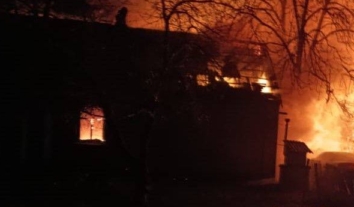
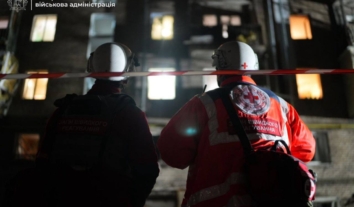
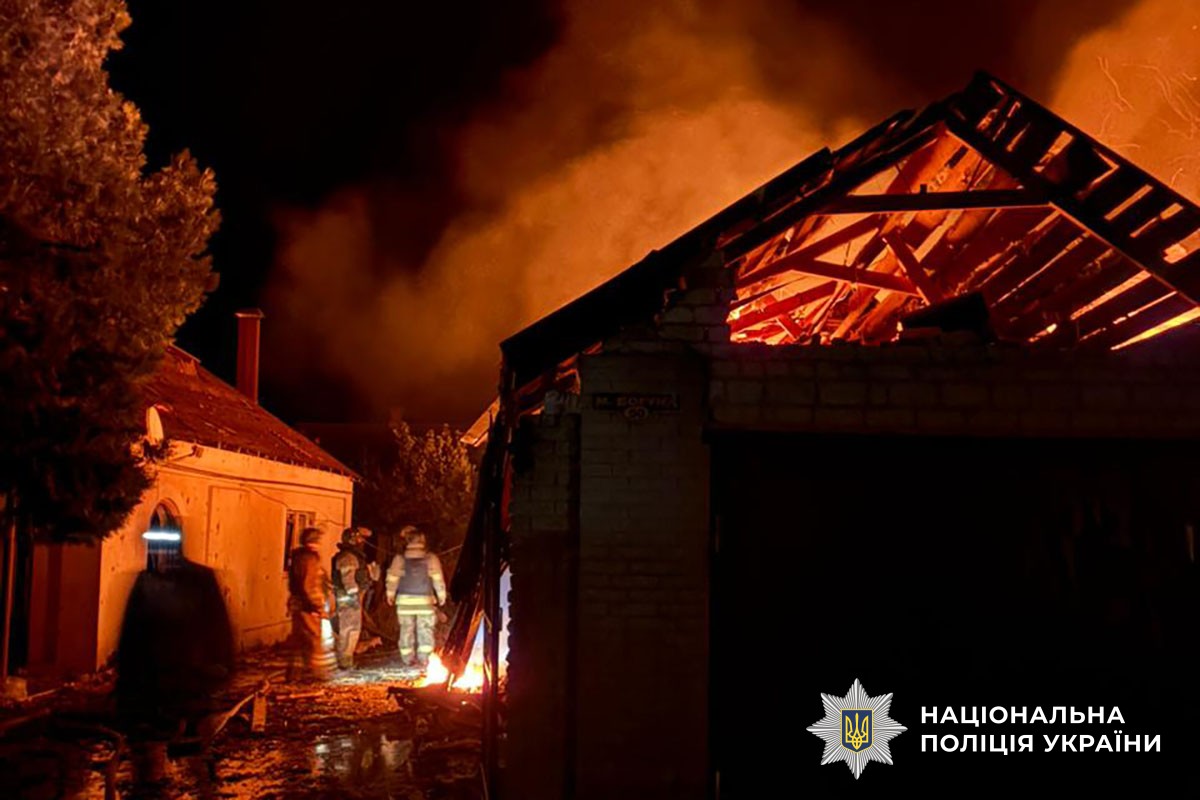 Rescuers stand next to a house engulfed in flames after a Russian strike in the Donetsk region
Russians killed two 71-year-old men on October 19: one in Kozatske, Kherson Oblast, and the other in Kupiansk-Vuzlovyi, Kharkiv region. The Kherson victim died from a drone strike, while police did not specify the weapon used in the Kharkiv attack.
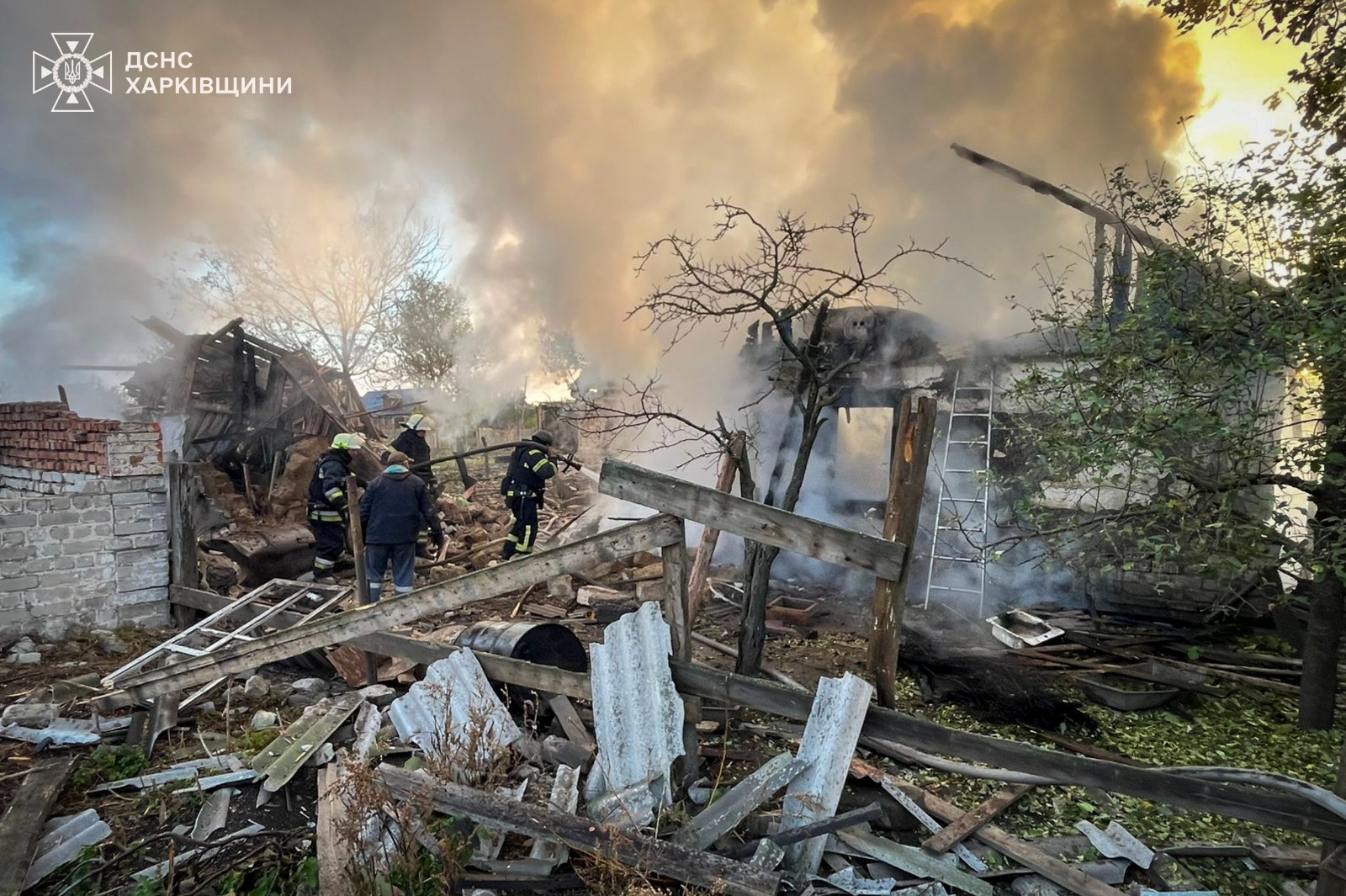
The Kherson region also reported five wounded. A 67-year-old female pedestrian was wounded by an MLRS strike in Tomyna Balka. An explosive dropped from a drone wounded a 56-year-old man and a 46-year-old woman in Beryslav. Two Kherson city residents were wounded by an artillery strike, and a local resident in Antonivka was injured by a “petal” landmine.
Read also:Russian drone attacks on civilians amount to crimes against humanity – UN Commission
Russians have resumed remote mining of Kherson and the surrounding area from the occupied left bank of the Dnipro River this autumn, leading ZMINA to compile safety advice for residents.
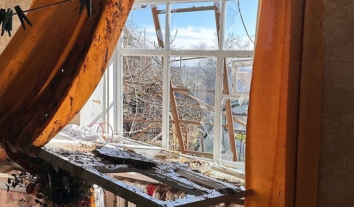
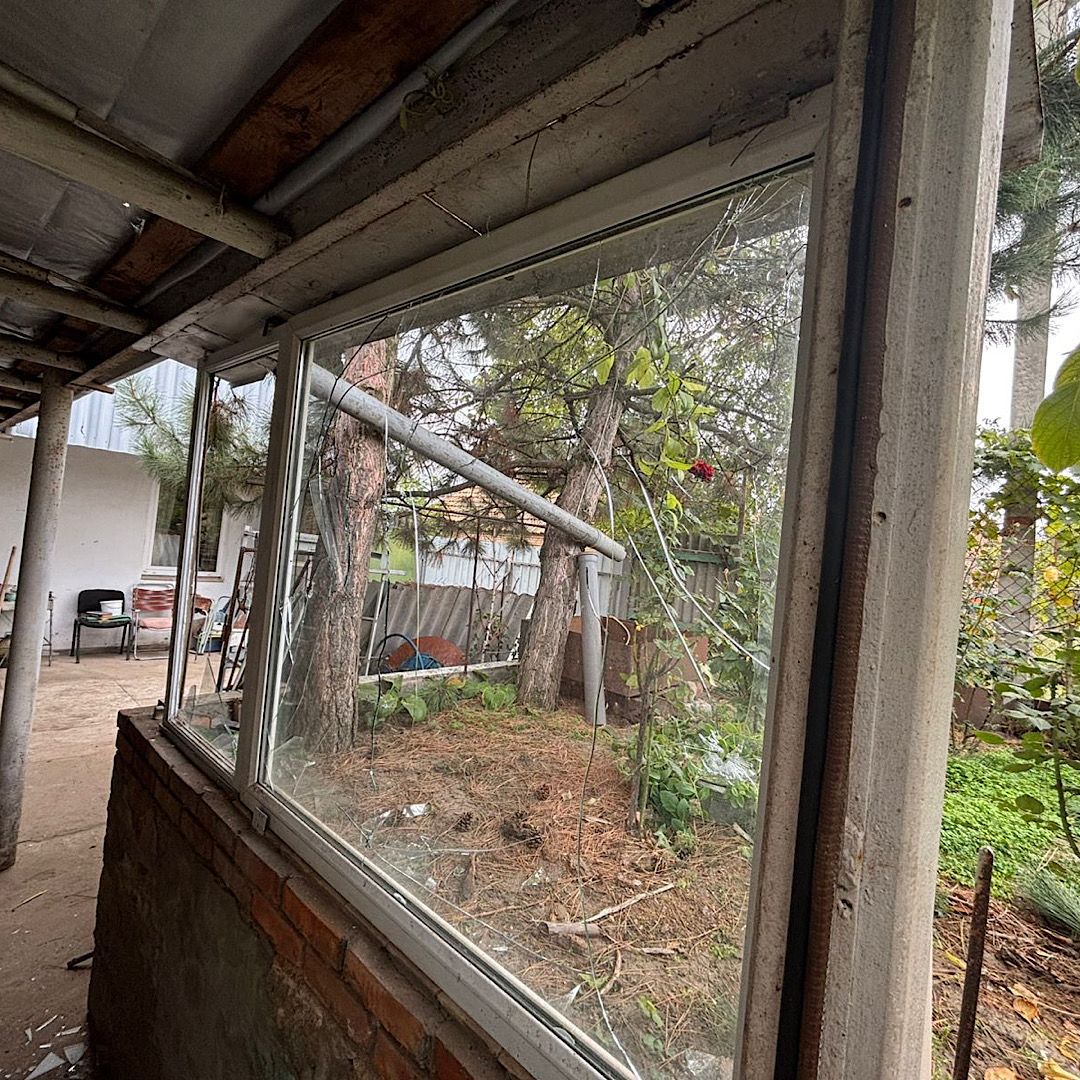 Damage in the yard of a private house in the Dnipropetrovsk region that was hit by a Russian strike on October 19, 2025
October 19 passed without fatalities in the Donetsk region, where Russians launched over 2,100 strikes with various weapons. However, at least six civilians were wounded in the region: two each in Druzhkivka and Kostiantynivka; an elderly man from Staroraiske; and a truck driver hit by a drone in Oleksievo-Druzhkivka.
The police report included the shelling of the settlement of Orilka, which wounded four members of one family. However, judging by the Emergency Service of Ukraine reports, this attack happened on the morning of October 20, and the casualties will be counted for that day.
Material damage was recorded in the Dnipropetrovsk and Zaporizhzhia regions over the past day, but there were no casualties or injuries. Kostiantynivka, where two city residents were killed. In the Zaporizhzhia region, a married couple was killed when their car was struck by a drone.
In the Donetsk region, five people were also wounded, including four Kostiantynivka residents and one person from Lyman.
 A playground destroyed by a Russian strike against a backdrop of damaged houses in the Zaporizhzhia region
ZMINA also reported that on the night of October 20, Russian forces once again struck energy and other infrastructure simultaneously in four regions.
By way of background, President Volodymyr Zelenskyy worte previously on X that the aggressor state has launched more than 3,270 attack drones, 1,370 guided aerial bombs and around 50 missiles of various types against Ukraine previous week.
Zelenskyy said that Ukraine, together with its partners, is strengthening its air defense system, implementing the Prioritized Ukraine Requirements List programme, attracting investment into the defense industry, and developing international security cooperation formats.
“Putin cannot be stopped with words — pressure is needed. The world sees that Russia responds to strength, which means that peace through strength can work,” Ukrainian President stated.
He also emphasized that Ukraine will not pay Russia any reward for its crimes and called on the U.S., Europe and countries of the G-7 and G-20 to take decisive action to protect human lives.
Later, Zelenskyy has said he would be ready to join U.S. President Donald Trump and Russian ruler Vladimir Putin at a proposed summit in Hungary if he were invited.
“If it is an invitation in a format where we meet as three or, as it’s called, shuttle diplomacy… then in one format or another, we will agree,” Zelensky told reporters.
Meanwhile, media reports have suggested his White House meeting with Trump on Friday descended into a “shouting match” – with the US side urging Ukraine to accept Russia’s terms to end the war.
Zelenskyy rejected the possibility of transferring additional unoccupied territories to Russia and declared his readiness to join a future meeting between Donald Trump and Putin in Budapest.
Russia has intensified the production of aerial bombs and is implementing new unified guidance modules that increase the range of the munitions up to 200 km.
Meanwhile, Vadym Skibitskyi, Deputy Head of the Main Directorate of Intelligence (DIU) of the Ministry of Defense of Ukraine, reported, as conveyed by RBC-Ukraine news agency, that Russian engineers have improved the so-called Unified Planning and Correction Modules (UMPC). These modules are installed on conventional aerial bombs weighing 250, 500, 1,500, and 3,000 kg, providing them with guidance and significantly increasing their operational radius.
Skibitskyi added that Russia developed the new bombs during September and October and is now using them in combat tests; during one recent test, the bombs achieved a range of 193 km.
The DIU representative also stressed that the new munitions have increased resistance to electronic warfare (EW) systems and technical solutions that allow for longer-range strikes. According to him, serial production of these complexes, which are named “Hrom-1” and “Hrom-2,” has already begun at Russian enterprises.