Russian shelling killed three people in Ukraine on November 11
As a result of Russian shelling on November 11, 2025, three civilians were killed in the Zaporizhzhia, Donetsk, and Dnipropetrovsk regions, while more than 10 others sustained various injuries, particularly in the Odesa, Kherson, and Kharkiv regions, according to the National Police of Ukraine.
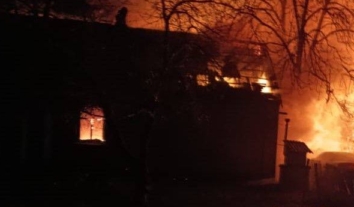
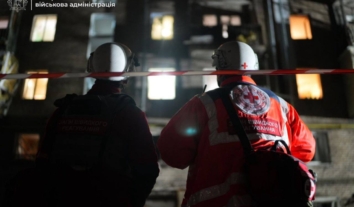
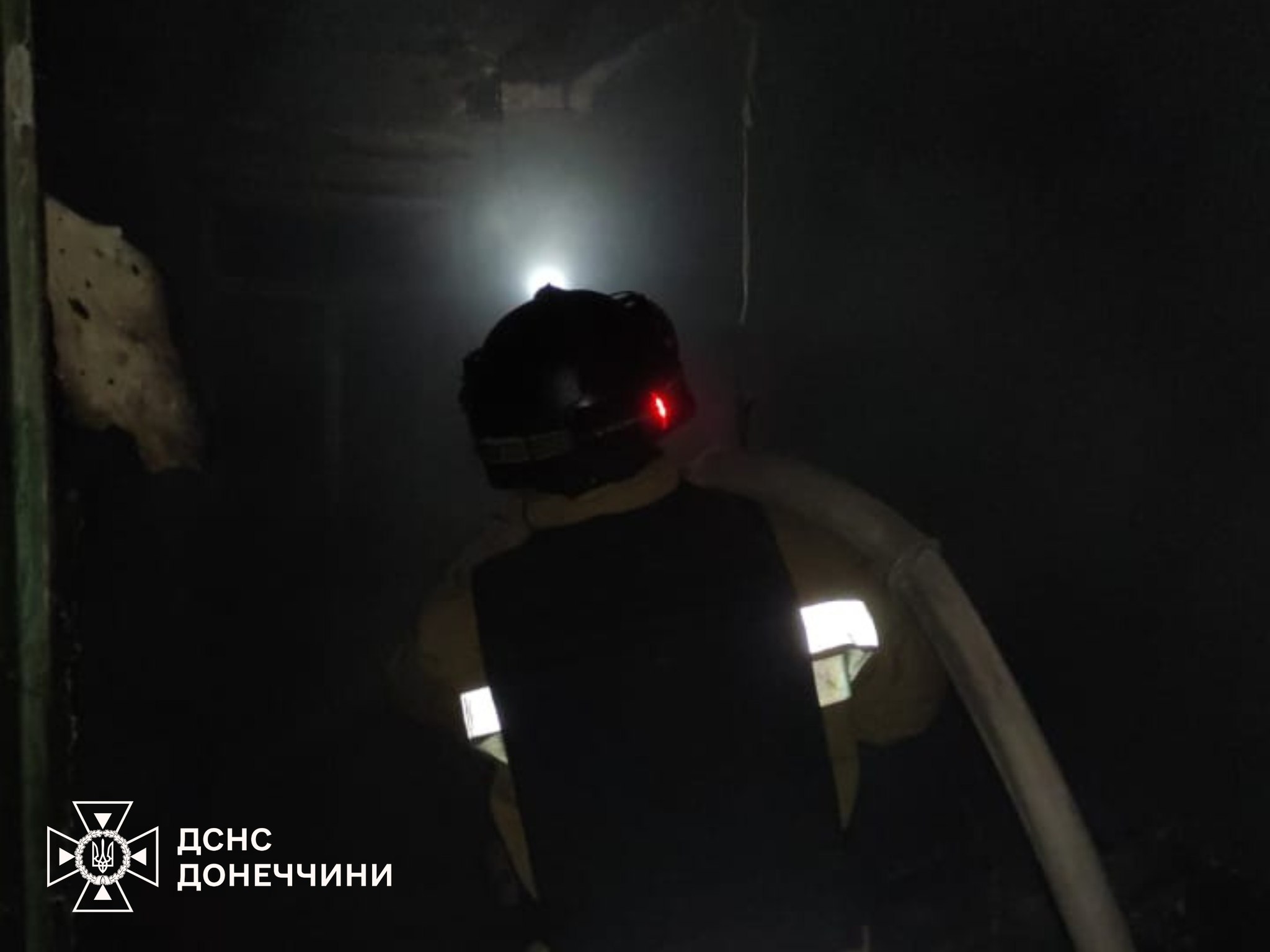 A rescuer extinguishes a fire in the Donetsk Oblast that erupted after Russian shelling on November 11, 2025
The fatalities from Russian strikes included a 56-year-old driver from the Polohy District, a 47-year-old man from the Vasylkivska hromada – a local government area that includes one or more nearby settlements, in the Dnipropetrovsk Oblast — and a Kramatorsk city resident who died in a nighttime shelling in the Donetsk Oblast.
In the Donetsk region, in addition to the fatality, two people were wounded when Russians struck a car with a drone in Kramatorsk. According to reports of the National Police, no injuries were reported in the Zaporizhzhia and Dnipropetrovsk regions on November 11.
The highest number of wounded was in the Kharkiv region, where at least five civilians were injured.
Victims include a pensioner from Yuriyivka, an elderly driver from Kozacha Lopan, and three people from the Vasyshcheve settlement, among them an 18-year-old teenager.
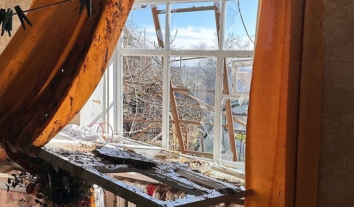
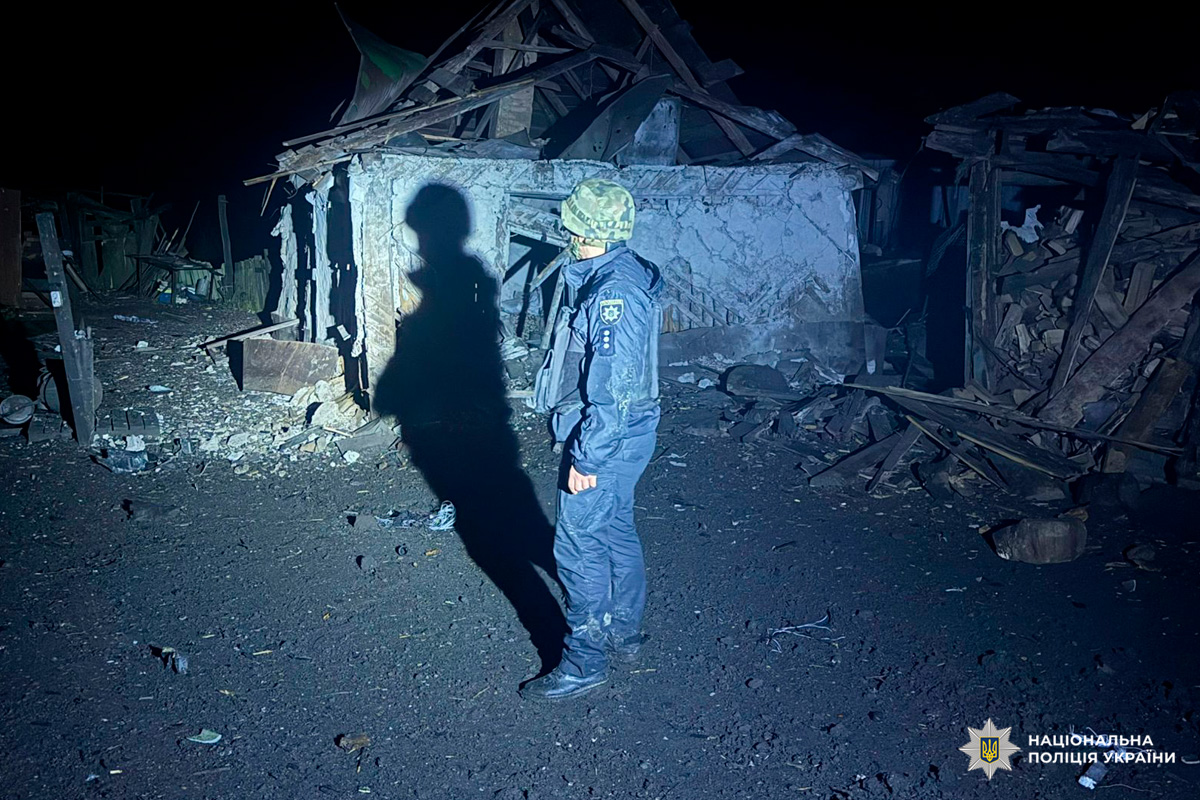 A police officer near a house destroyed by the Russian army in the Kharkiv region
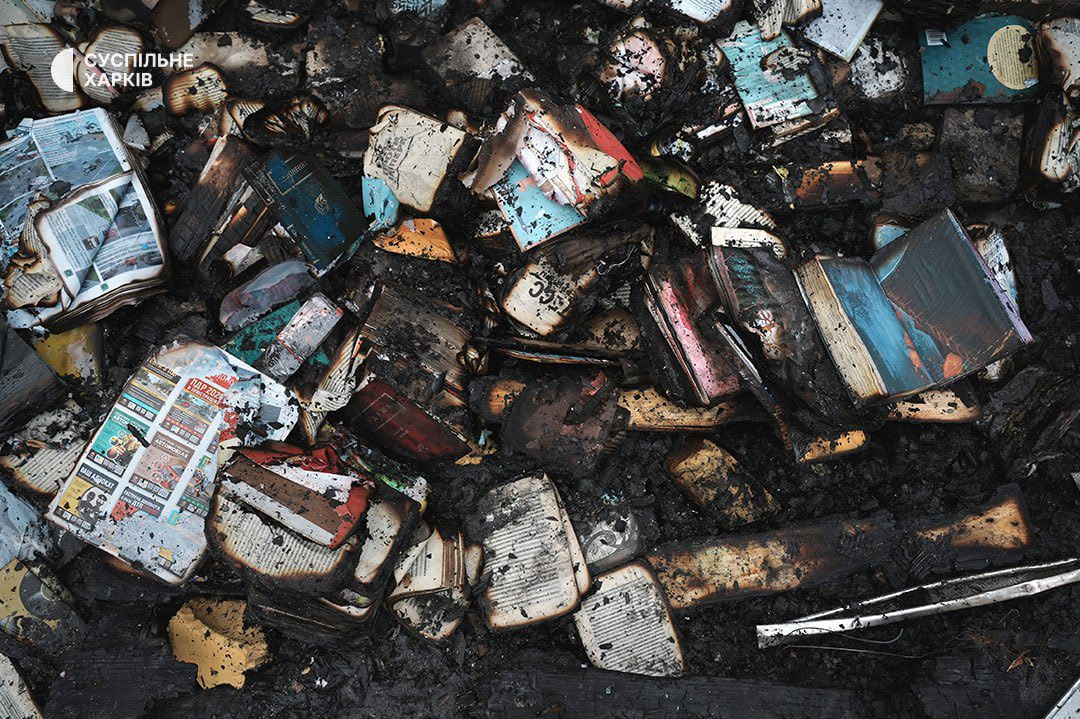
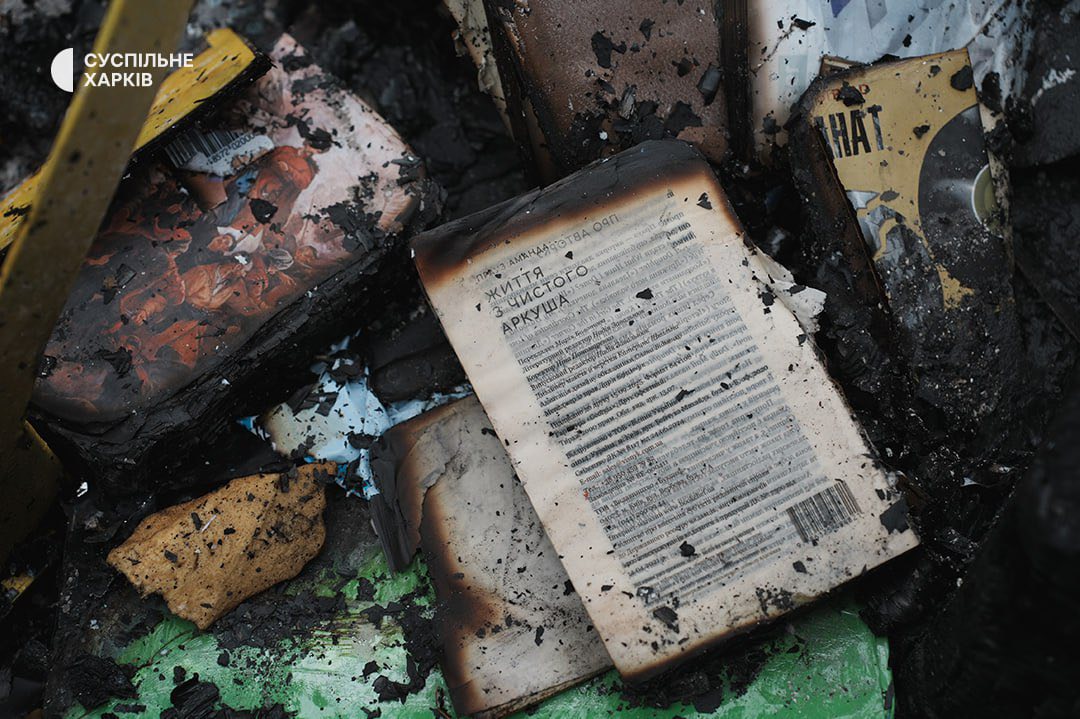
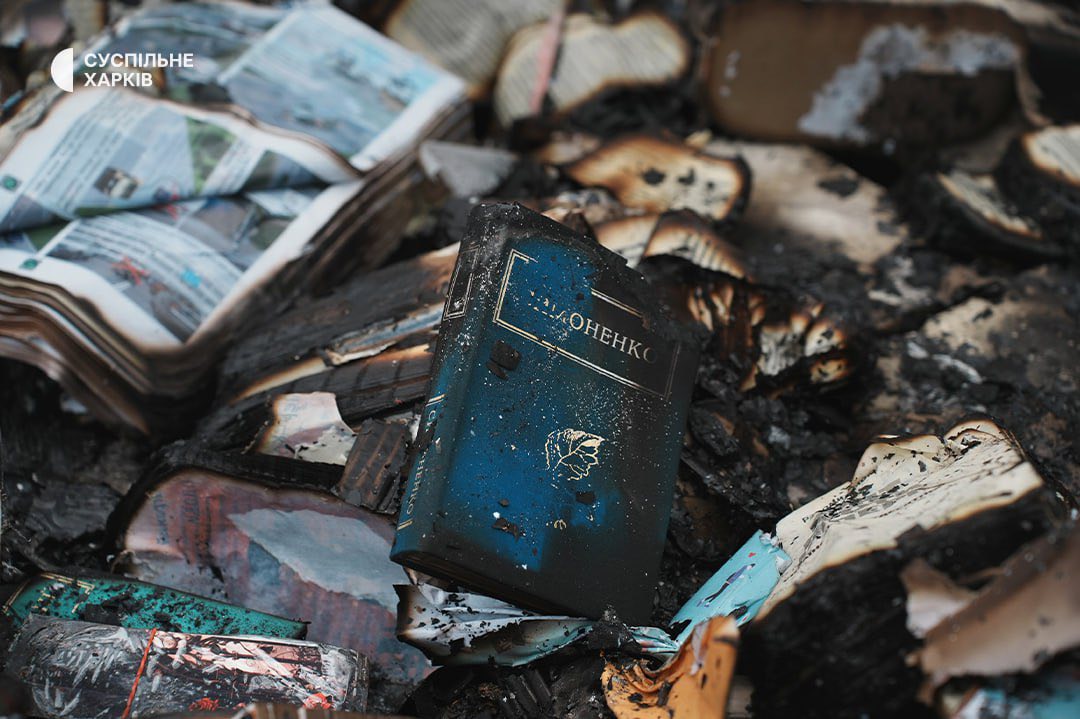
Suspilne public broadcaster reported that books by Vasyl Symonenko, Yuriy Izdryk, and Maks Kidruk were destroyed after a Russian drone strike hit a private transport company in Kharkiv on the morning of November 12.
Moreover, four more people were injured in the Kherson region.
Russian forces shelled Komyshany with artillery, wounding a 67-year-old woman with blast injuries. Subsequently, a 33-year-old woman and an 83-year-old man were wounded in Bilozerka and Darivka. In Kherson city, Russians dropped an explosive from a drone on a 47-year-old man.
Read also: Russian drone attacks on civilians amount to crimes against humanity – UN Commission
One person was injured in the Odesa region, which was again under Russian attack on the night of November 11.
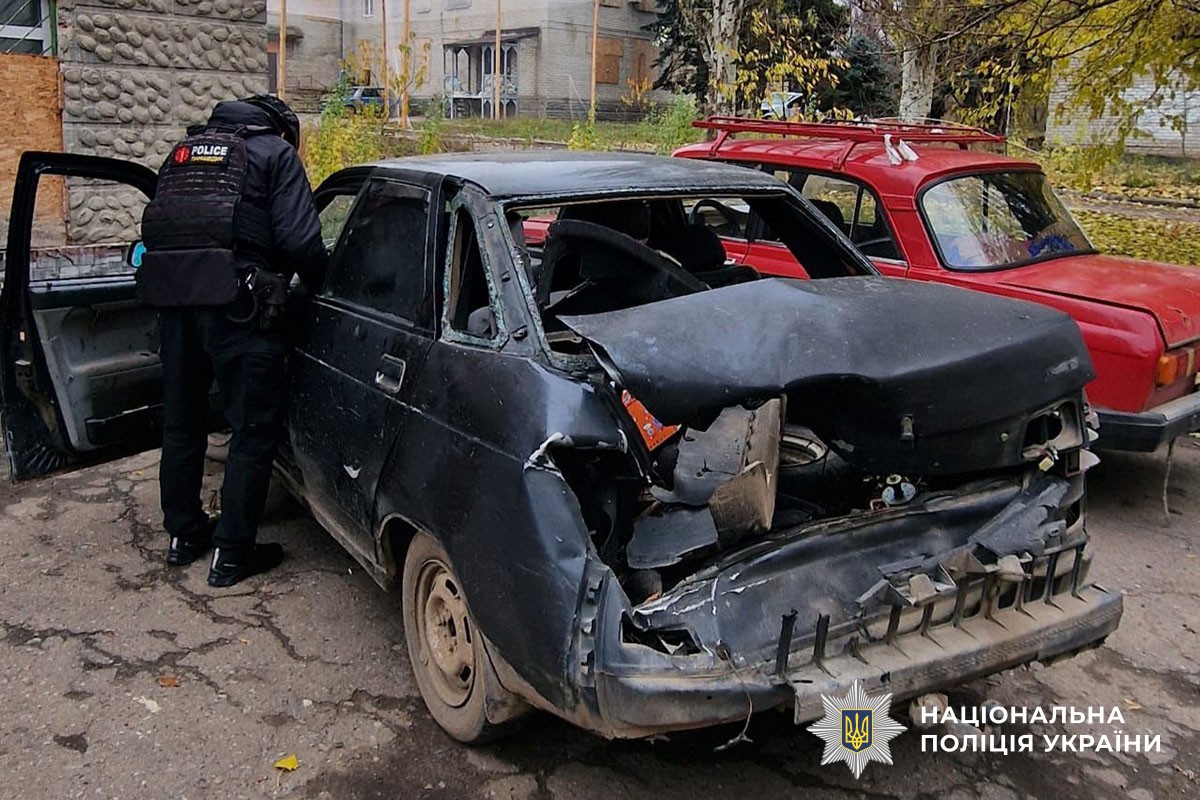 A car carrying two civilians in Kramatorsk, Donetsk region, that Russian forces struck with a drone on November 11, 2025
On November 10, Russians killed two civilians in the Donetsk Oblast and injured more than 10 others across the Kherson, Kharkiv, and Dnipropetrovsk regions.
Overall, as a result of Russia’s full-scale invasion of Ukraine, more than 14,300 civilians have been killed as of September 2025. Casualties and injuries have significantly increased this year due to the weaponry the Russians are using to shell civilians.
Serhiy Kyslytsya, First Deputy Head of the MFA of Ukraine, stated in an interview with The Times that the negotiations that took place in May–July were only an imitation intended to deceive the Americans. He stated that peace negotiations between Ukraine and the Russian Federation, which began in May of this year in Istanbul, have now come to a complete halt, with no progress made.
He said that during the three rounds of Istanbul talks (May 16, June 2, and July 23), Russians rejected the very existence of the Ukrainian nation and framed their aggression as a war between Russians and Russians. Kyslytsya noted that members of the Ukrainian delegation chose to ignore the Russians’ historical lectures and attempted to discuss the substance of the matter — the path to peace — but the Russians avoided it. For example, Russians proposed creating working groups on WhatsApp to use their existence to deceive Americans: implying that a working process was ongoing and that no new sanctions were needed.
“You have to lay out your arguments, and then the other side lays out theirs. Then you try to figure out where the common ground is? What is the gray area? Where is the group of arguments that are absolutely unacceptable? We never reached that point,” Kyslytsya explained.
Since the peace negotiations concluded without significant progress, they are now suspended. Kyslytsya said that since the summer, Ukraine has focused on securing greater pressure on Russia from its international partners. The goal is to compel Vladimir Putin to meet with President Volodymyr Zelenskyy, as genuine peace negotiations can only occur in this format.
Previously, media reported, U.S. President Donald Trump could not end the war between Russia and Ukraine due to a flawed approach. He allegedly tried to make a deal that would recognize some of Russia’s territorial gains, but commentators believe Trump misunderstood Putin’s true intentions, which aim for the destruction of independent Ukraine. Consequently, the peace negotiations collapsed.
Meanwhile, Ukrainian experts point out that China, North Korea, Iran, and Brazil assist Moscow in killing citizens of Ukraine in Russia’s war, including funding the Russian budget through trade.
Previously, the Ministry of Foreign Affairs announced that Ukraine would close its embassy in Cuba and downgrade ties over Havana’s complicity in Russian aggression.
Newly appointed Ukrainian Ambassador to the UN Andriy Melnyk stated in an interview with Suspilne broadcaster that Brazil paid Russia almost $10 billion for 6.5 million tons of diesel.
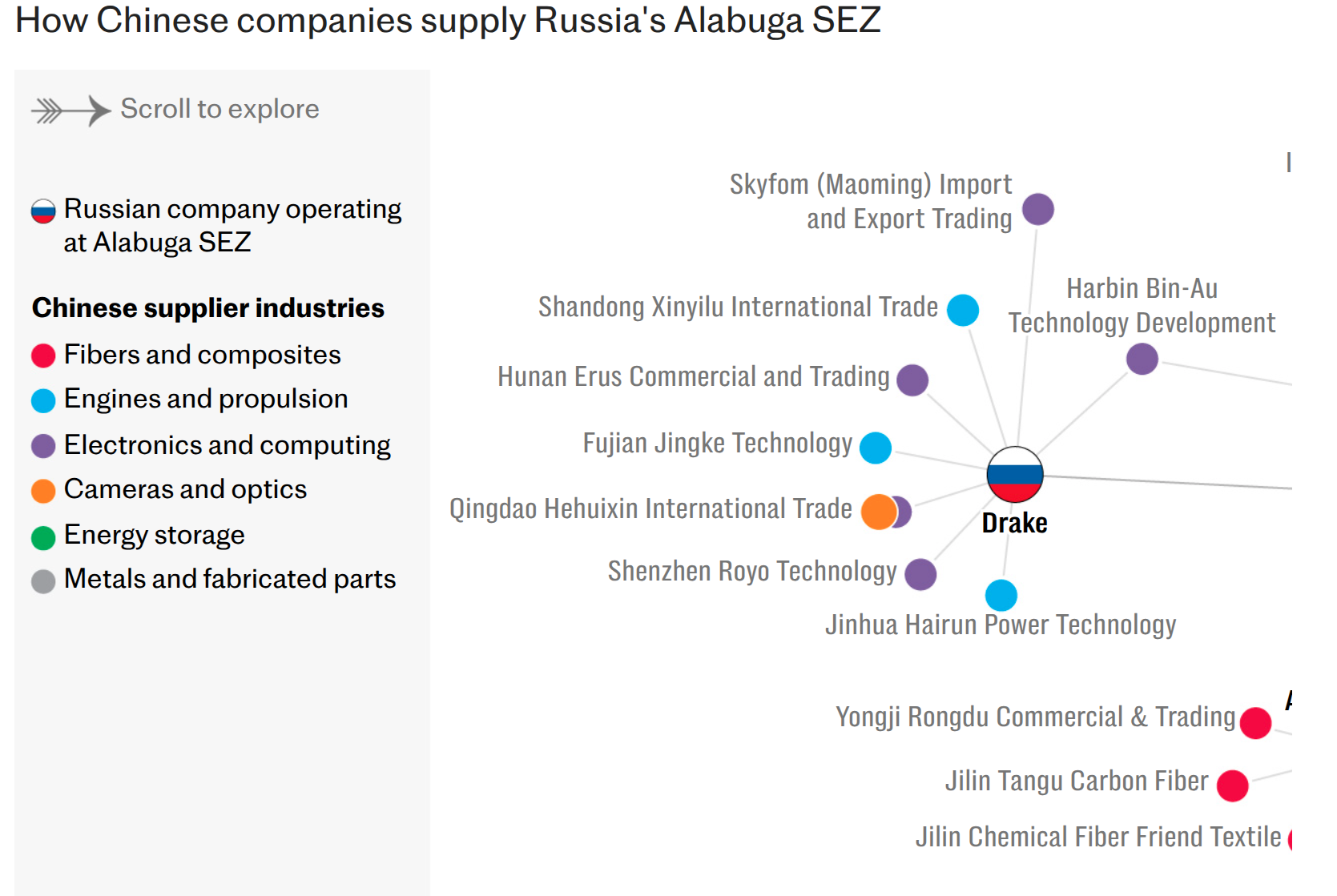
Over the last three and a half years, China has become a critically important partner for the Russian Federation. While Beijing officially declares its neutrality, Western intelligence and analytical studies indicate otherwise. For instance, China does not supply weapons directly to Russia, but it provides critically important components, including machinery, microelectronics, specialized chemicals, optics, gunpowder, and ammunition components.
In 2024, then-U.S. Secretary of State Antony Blinken stated that 70% of heavy industrial equipment and 90% of all microelectronics are sourced from China, which then flow into Russia.
Furthermore, according to recent NATO intelligence data, 80% of all Russian drones consist of Chinese parts.
According to The Telegraph newspaper, Chinese firms supplied sanctioned Russian companies with at least £47 million ($57.4 million USD) worth of parts between 2023 and 2024. Almost a quarter of the value of these supplies went to firms that produce Shahed-type drones.
Moreover, the Foreign Intelligence Service of Ukraine stated that China is also providing intelligence to Russia. The Kremlin used this data to prepare missile strikes, particularly against objects belonging to foreign investors, though the specific targets were not clarified. China denies these accusations.
Following the imposition of Western sanctions, Beijing has become a key supplier to Russia of cars, clothing, raw materials, and a range of other goods. In 2023, Russia-China trade turnover set a historic record, exceeding $240 billion, which is more than 60% higher than before Russia’s invasion of Ukraine, according to Chinese customs data.
Reuters also reported that China is buying oil and gas from Russia. The average daily volume of oil is more than two million barrels per day. During Vladimir Putin’s visit to Beijing, the countries signed a document for the supply of 106 billion cubic meters of gas per year to China.
Join us on X and LinkedIn for daily human-rights updates – and help shape ZMINA’s English coverage by sharing your thoughts here.