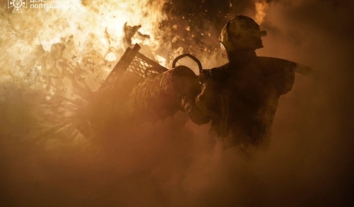
Russian military shelling killed three people in Ukraine on December 29
The National Police reported that as a result of shelling by the Russian military over the 24-hour period of December 29, 2025, three civilians were killed in the Zaporizhzhia, Donetsk, and Kherson regions, and more than 10 others sustained injuries, including in the Dnipropetrovsk and Kharkiv regions.
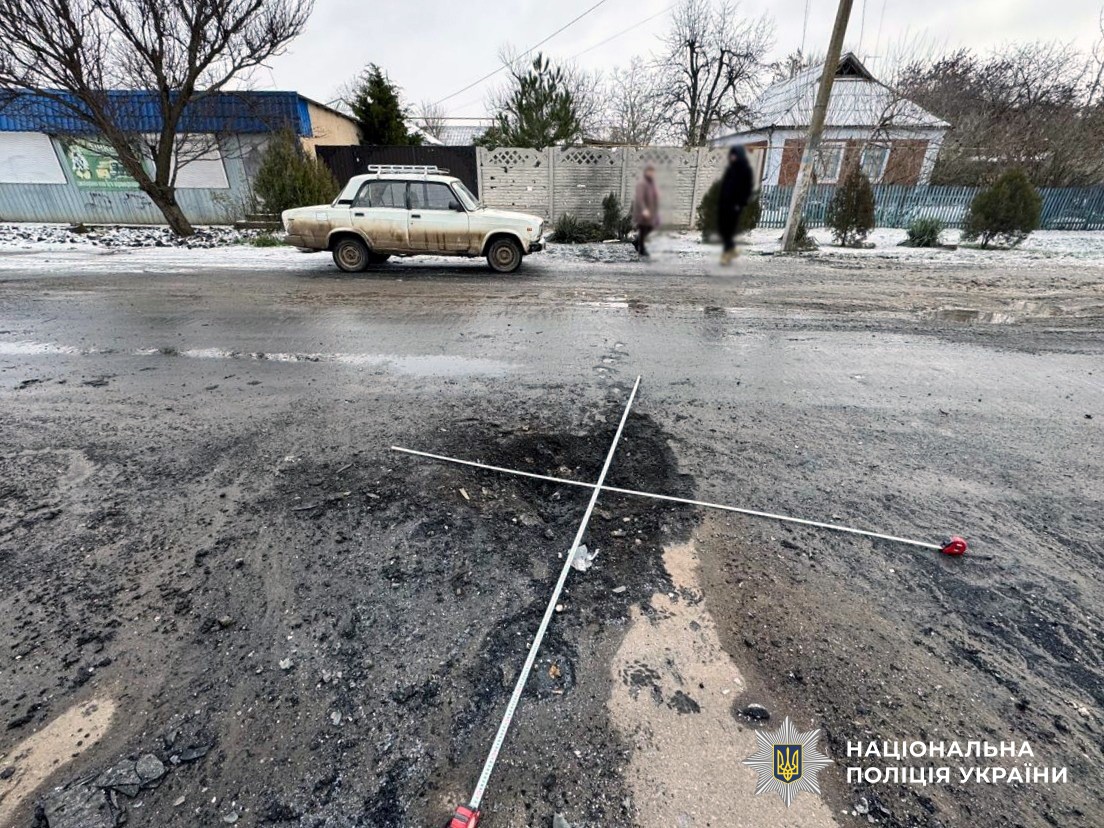 Trace of a hit by either an enemy shell or its fragments on a street in one of the settlements in the Kherson Oblast
The victims of Russian strikes that day were:
- A 46-year-old man from Orikhiv, who did not survive an airstrike;
- A person from Lyman;
- A 79-year-old woman from Kherson was killed by a Russian artillery strike.
In three regions, the shelling of the Russian Federation also injured a number of civilians.
In the Zaporizhzhia Oblast, this refers to a resident of the regional center, as well as one person each from Orikhiv, Tavriiske, and Rozumivka. In the Donetsk Oblast, the Russian military injured four civilians with strikes in Druzhkivka, Sloviansk, Lyman, and Hannivka.
In the Kherson Oblast, a 53-year-old woman and a 17-year-old girl were added to the report, having come under a Russian strike from multiple launch rocket systems on the Korabelnyi District on December 28. As a result, the girl was diagnosed with a mine-blast injury, concussion, and acute stress reaction, while the woman sustained a mine-blast injury, bruised leg wounds, and a fractured toe.
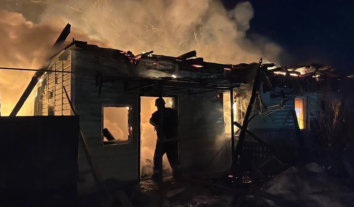
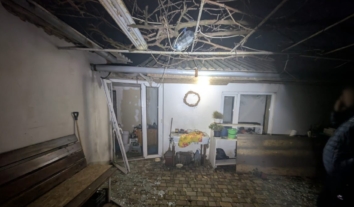
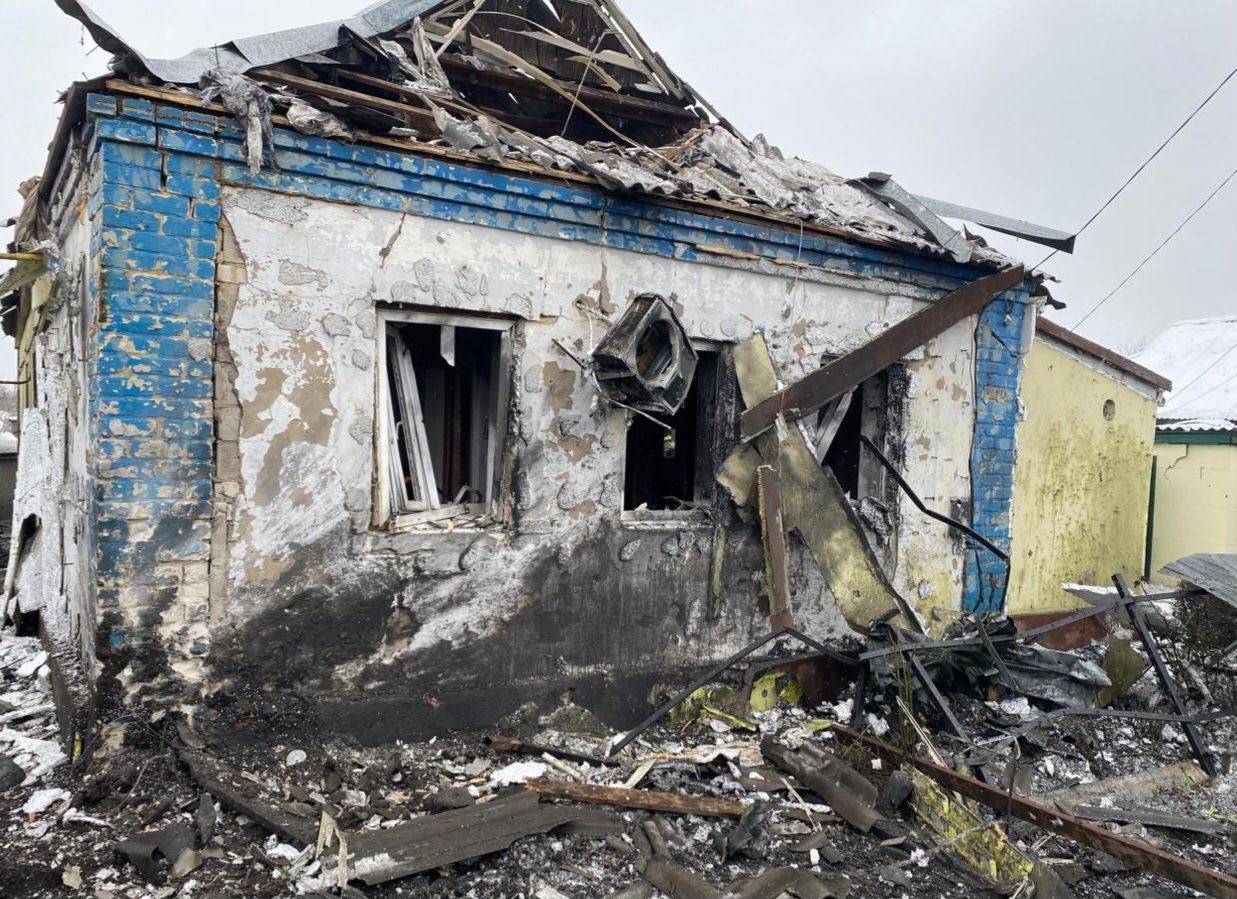 A house mangled by a Russian military strike in the Dnipropetrovsk region. Photo: Facebook page of the head of the Dnipropetrovsk Oblast Military Administration, Vladyslav Haivanenko
In the Dnipropetrovsk Oblast on December 29, a 44-year-old man and a 67-year-old woman were injured due to Russian military strikes, and in the Kharkiv Oblast, a driver whose car the Russians targeted with a drone.
On December 28, the Russian military killed two people in Ukraine through shelling, and in almost four years, more than 14.5 thousand civilians alone. This year, the number of victims of Russian strikes with long-range weapons in large cities has increased nearly fourfold.
Meanwhile, Ukraine’s Foreign Ministry (MFA) has summoned India’s and Pakistan’s chargés d’affaires in Kyiv for separate meetings after the two countries voiced support for Russian claims of an alleged Ukrainian attack on a residence belonging to Putin.
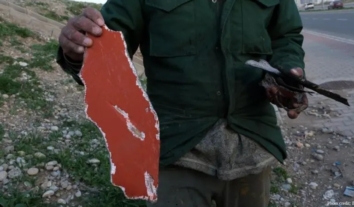
On December 29, Russian Foreign Minister Sergei Lavrov claimed that Ukraine conducted a drone strike on a residence of Russian ruler Vladimir Putin and said this would lead to a revision of Russia’s “negotiating position.” Russia’s Defense Ministry published a fake map showing the alleged route of the Ukrainian drones two days after the Russian statement.
Ukraine stated that Russia fabricated the claim to undermine the peace process. That confirms assessments by numerous experts and politicians that Moscow doesn’t seek peace.
Ukraine’s Foreign Ministry said the leaders of India and Pakistan expressed “support” after statements from Moscow claiming that 91 Ukrainian drones attacked a residence of Kremlin leader Vladimir Putin on December 29.
“We hope the leaders of these countries will express deep concern about Russia’s real attacks on civilian targets in Ukraine and show solidarity with Ukraine, against which Russia has been waging unjustified and unprovoked aggression for nearly four years.”
The ministry added that Ukraine’s embassy in the United Arab Emirates has also taken political and diplomatic steps in response to similar statements from the Emirati side.
On reactions by Uzbekistan, Kazakhstan, Kyrgyzstan, Turkmenistan, and Tajikistan based on fake Russian statements, commented Heorhiy Tykhyy, a spokesperson for Ukraine’s MFA.
The MFA believes that responding to Russian disinformation is beneath the dignity of these Central Asian states, with whom Ukraine seeks to develop friendly and pragmatic relations based on the principles of mutual respect and mutual benefit.
“Such reactions also contradict the declared positions of these states in support of Ukraine’s sovereignty and territorial integrity, both of which are being violated by the aggressor state. We are particularly surprised by the expressed concern over a fictional attack on Putin’s palace, while these same countries have failed to react to Russia’s frequent and very real strikes against civilians in Ukraine. Furthermore, the countries that have now spoken out against “attacks on state facilities” remained silent on September 7, 2025, when a Russian missile struck the Cabinet of Ministers of Ukraine,” Tykhyy said.
Ukraine believes that attempts to play along with Russian propaganda — driven by short-term interests in their current relations with Russia — run counter to the centuries-long history and traditions of the Central Asian nations in their own struggle for independence and self-determination.
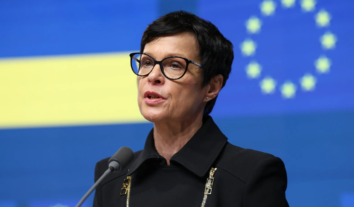
EU foreign policy chief Kaja Kallas has also accused Russia of seeking to derail the peace process by spreading claims of an alleged Ukrainian attack on Putin’s residence in Russia’s Novgorod Oblast.
“Russia’s claim that Ukraine recently targeted key government sites in Russia is a deliberate distraction. Moscow aims to derail real progress towards peace by Ukraine and its Western partners,” Kallas wrote on X.
Despite U.S. President Donald Trump’s promise, the war in Ukraine has not ended 24 hours after his inauguration. His further attempts to facilitate an unconditional ceasefire between Russia and Ukraine have also failed. U.S. President Donald Trump refuses to impose further sanctions on Russia. Numerous expert points out that the United States of America is pressuring the victim country, not the aggressor country.
Previously, The New York Times reported that Pentagon Chief Pete Hegseth demanded the dismissal of the Commander of U.S. Forces in Europe and NATO, General Christopher Cavoli, who, in a testimony before a Senate committee in April, asserted that Russia poses a “chronic” and “growing” threat.