Russian forces kill civilian, attack paramedics in Sumy Oblast
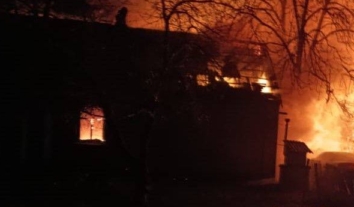
The Russian military killed one person and injured three others with a drone in Sumy hromadaі on July 13, 2025, according to Oleh Hryhorov, Head of Sumy Oblast Military Administration.
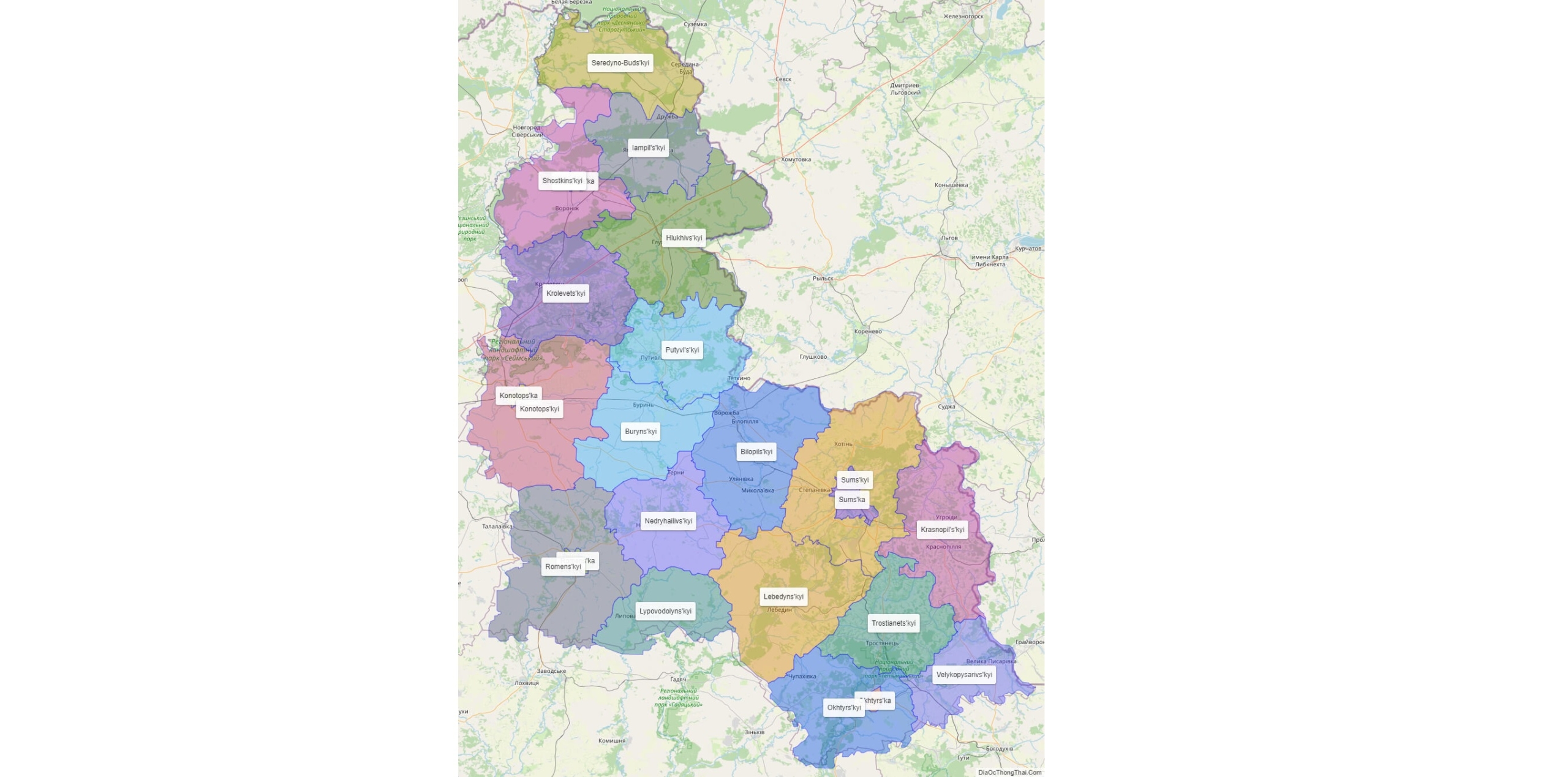
The drone struck at about 3:40 p.m. on a road within an area governed by the Stetskivka village council. Two brothers were traveling on a two-wheel tractor toward the Khotin hromada when a Russian drone hit them.
The attack killed one of the men, aged 57. His brother sustained injuries and is currently under medical supervision.
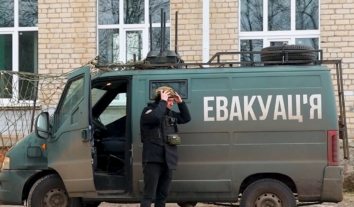
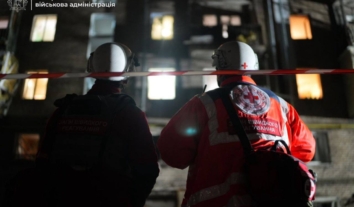
Later, Hryhorov reported that a Russian drone attacked medics during the evacuation of a wounded person in the Sumy Oblast, injuring two medical workers.
“After the strike on civilians, as medics were providing aid and evacuating the victim, the enemy launched a repeat attack, this time on the emergency medical team. Two paramedics are being examined at the hospital,” Hryhorov wrote.
He clarified that the injured medics were suffering from an acute stress reaction.
A Russian drone attack also injured two residents of the Konotop district.
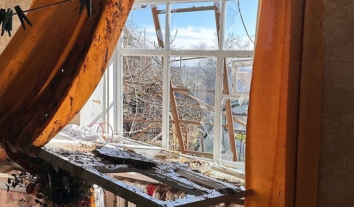
Russian forces reportedly used four drones to strike a residential area in the village of Buniakyne in the Novoslobidka hromada. The strikes injured two civilian men aged 63 and 71.
Medics took them to the hospital in fair condition.
Hryhorov urged people in Sumy Oblast not to travel near the border if possible.
In total, nine people were injured and one person was killed as a result of Russian attacks in the Sumy region over the past day.
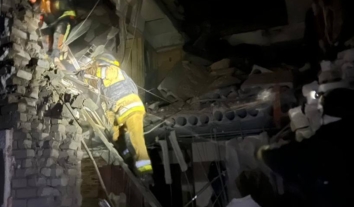
On July 13, a Russian drone hit a critical infrastructure facility in Sumy, leaving part of the city without power.
Foreign Minister Andrii Sybiha stressed the need for the EU and the U.S. to impose large-scale sanctions against Russia following another mass attack on Ukraine.
He emphasized that Russia “continues to escalate terror, launching another wave of hundreds of drones and missiles.”
“The scale of Russia’s daily terror against civilians shows the need to deprive Moscow of the oil revenues it converts into war crimes,” Sybiha noted on X.
According to the head of Ukraine’s Foreign Ministry, Russia “produces hundreds of instruments of terror a day.” This scale poses a threat not only to Ukraine but to the entire transatlantic community, he added.
“It is in our partners’ interest to strike this factory of terror as soon as possible with new tough sanctions: the 18th EU package and the Graham-Blumenthal bill. Stop funding Putin’s death factory immediately,” he concluded.
Previously, Ukraine’s Defence Intelligence (DIU) has noted a trend toward replacing Western components in Russian strike UAVs with Chinese-made ones.
DIU told journalists with Donbas Realii, a Radio Liberty regional project, that Chinese electronics now make up 60% to 65% of the components in the Russian Geran-2 UAV. Swiss electronics rank third. The components of these drones, also known as Shaheds, were researched by Ukrainian forces in May 2025.
Russian engineers have equipped strike drones with new electronic warfare-resistant antennas, replacing the jamming-resistant antennas of satellite navigation systems. The new drones also feature more antenna elements. Instead of four and eight elements, Russia is installing 12 and 16 elements.
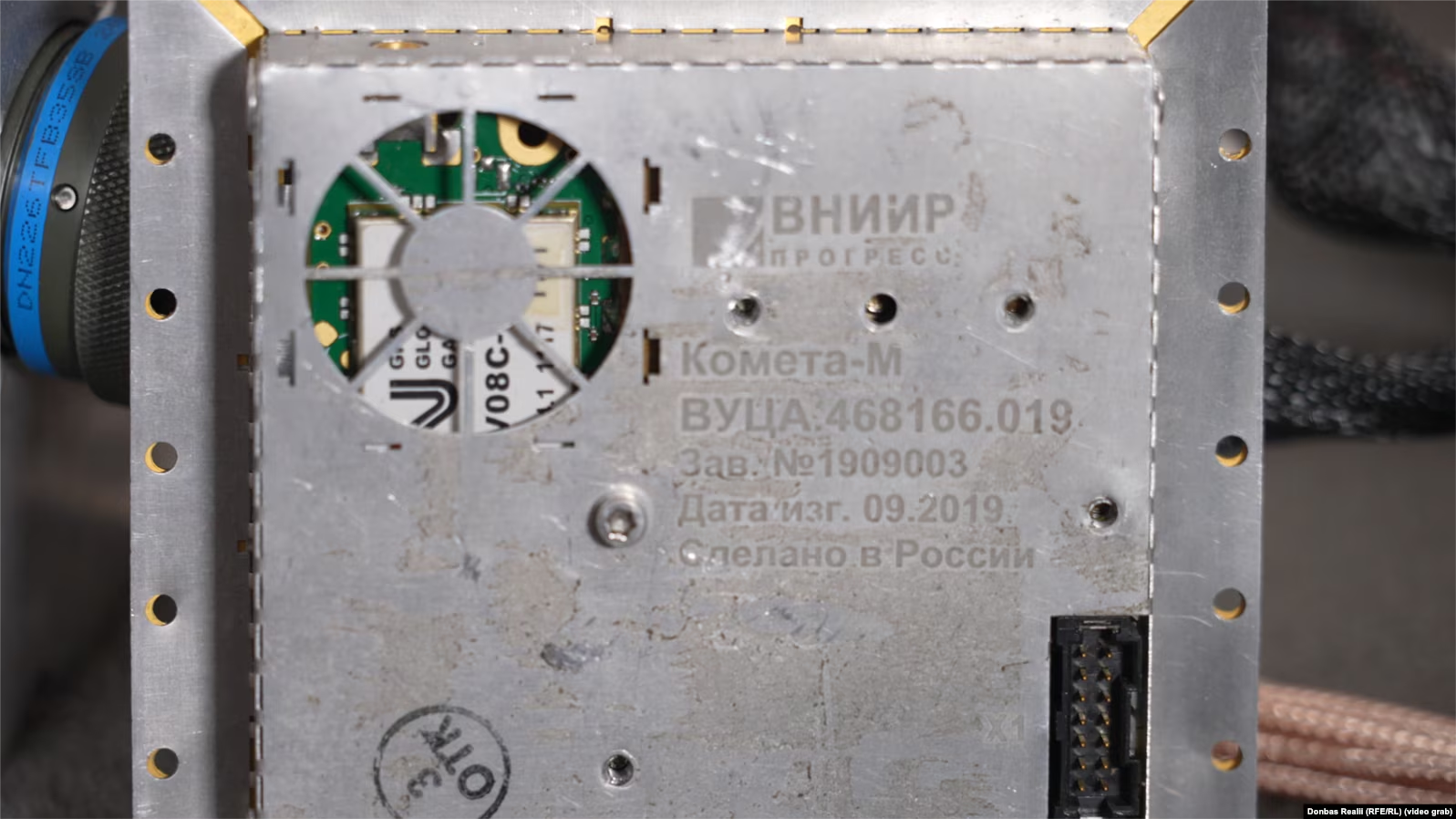 “Kometa-M” is a Russian-made, jam-resistant satellite navigation antenna that is also frequently found in Shahed-type UAVs
“One of the innovations is the use of 3G modems in UAVs, which provide information about their location and telemetry to a Telegram bot so that the enemy can analyze the locations of our electronic warfare and air defense systems,” DIU representative reported.
Russia is also expanding the range of warheads. Ukrainian forces have documented cases of Russia using Geran-2 drones with a system for dropping slow-acting cluster munitions. Russian and Iranian manufacturers have increased the weight of the warheads themselves to 90 kilograms.
Russian engineers have taken measures to increase the moisture resistance class of strike UAVs so that they can be effectively used in difficult weather conditions. Ukrainian intelligence has also recorded tests of a version of the Geran-3 strike UAV with a jet engine.
The New York Times pointed out that since Donald Trump’s return to the presidency, the United States has not imposed new sanctions on Russia, creating loopholes for the supply of microchips and military components despite restrictions established after the start of Russia’s full-scale war in Ukraine.
Instead of increasing pressure, the Trump administration has reversed some restrictions, including those on Karina Rotenberg, the wife of Russian oligarch Boris Rotenberg. Additionally, the KleptoCapture task force, which was responsible for identifying and seizing the assets of individuals close to the Kremlin, has been shut down.
As a result, according to trade and corporate registries, more than 130 new companies in China, Hong Kong, and Singapore are freely advertising the supply of prohibited components to Russia. Among them is HK GST Limited, which offers microchips for Russia’s Kh-101 cruise missiles, the same type used during recent attacks on Kyiv.
None of these companies are under sanctions, and according to analysis, the U.S. has not introduced a single new restriction against Russia since the beginning of 2025. Experts warn that without constant updates, the effectiveness of sanctions diminishes as Russia actively creates new shadow import schemes.