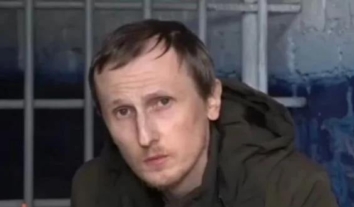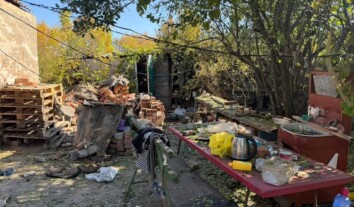
Russian authorities hold Bucha resident Oleksandr Kurdin, abducted in 2022, in Russia’s Tula region
Russian soldiers abducted Oleksandr Kurdin, a resident of Bucha, Kyiv Oblast, from a friend’s house on March 22, 2022. He was first held in Hostomel, then taken to Belarus and later transferred to Russia’s Bryansk region. He is now being held in a penal colony in Russia’s Tula region, his common-law wife, Iryna Shvets, told ZMINA.
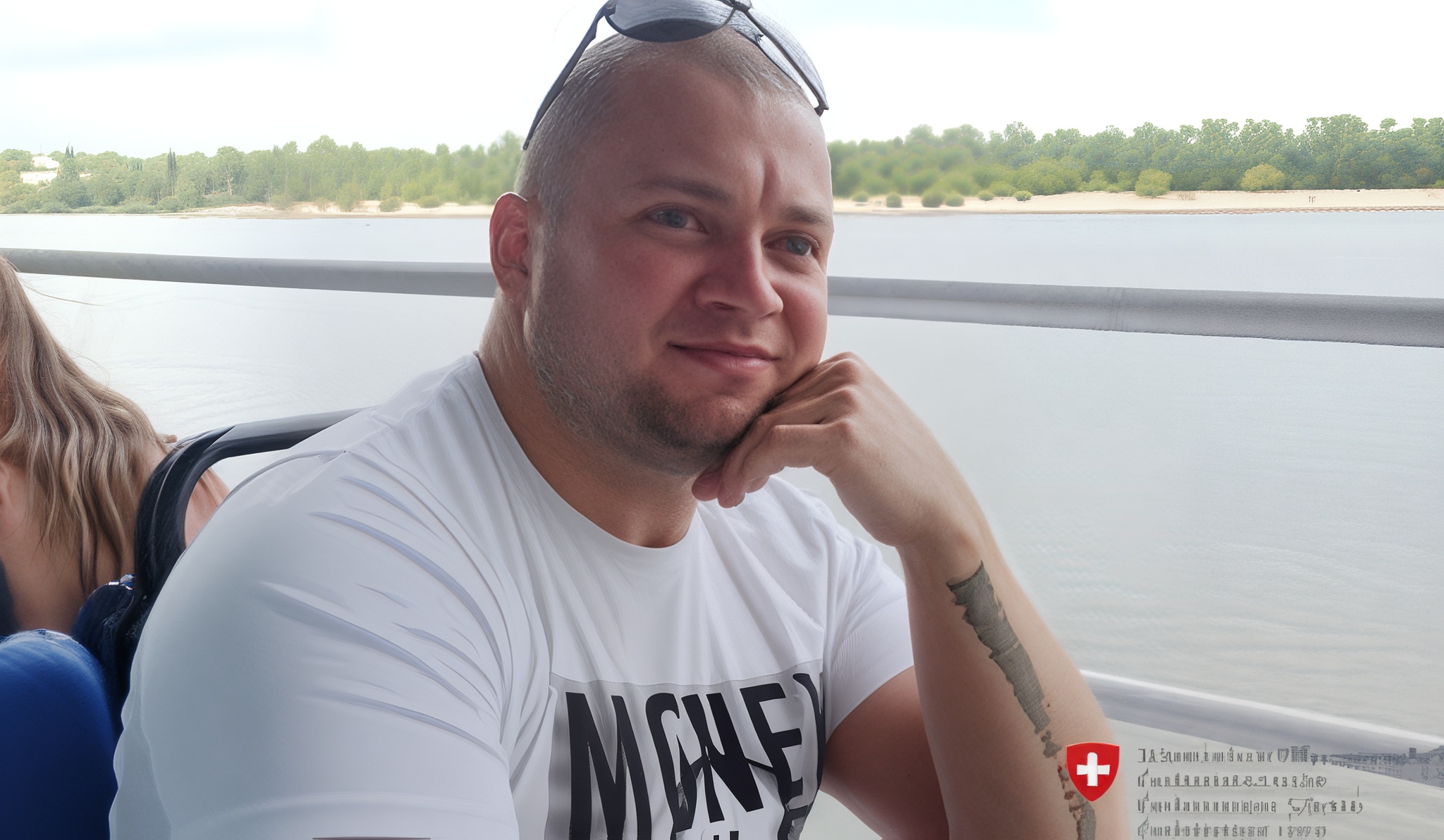 Oleksandr Kurdin
According to Shvets, exchanged Ukrainian soldiers told her that Oleksandr is being unlawfully held in Penal Colony No. 1 in Donskoy, Tula region.
“It is now, sadly, the fifth spring he has spent in Russian captivity. I know my Sasha has received more than 50 letters from me – so they are getting through. Recently, I received it through the Ombudsman’s Office. He wrote that when he returns home, we will definitely make an album of our letters“, Iryna says.
You may also want to read: You sit like a potted plant: you may be watered, or you may not, and then you will wither – journalist Dmytro Khyliuk. A story of captivity and freedom
According to released prisoners, Oleksandr has lost around 40 kilograms. Recently, Russian authorities have begun feeding detainees slightly better, giving them more bread. However, neither prisoners of war nor civilian detainees are allowed to sit during the day and are forced to stand from 6 a.m. to 8 p.m.
“They are only allowed to sit for half an hour during breakfast, lunch, and dinner. The Russians continue to abuse our people, humiliating them in various ways”, Shvets adds.
Iryna Shvets believes that the Ukrainian authorities responsible for securing the release of civilians from Russian captivity are not acting effectively enough. She says that, more than four years into the full-scale war, no effective mechanism has been created for their return.
Families of civilian detainees say they are ready for closer cooperation with the authorities, but have yet to see the same willingness in return.
“If a person cannot fulfil their duties, they should step down to allow those who can to do the job. Representatives of the Coordination Headquarters ignore events held in support of civilian detainees“, Shvets says.
You may also want to read: From “soft power” to torture chambers: patterns of Russia’s seizure of new states based on Ukraine’s experience
In October 2025, the Ministry for Development published statistics on decisions adopted by the Commission for Establishing the Fact of Deprivation of Personal Liberty as a Result of Armed Aggression against Ukraine and responded to public criticism of the state system for protecting Ukrainian citizens deprived of their liberty. The ministry says it does not set policy for this category of war-affected citizens, adding that the commission – its status, composition, and work – is clearly regulated by relevant legislation and its governing provisions.
Since its inception in 2025, the commission has adopted 3,271 decisions confirming the deprivation of personal liberty. Of these, 174 decisions concern the recognition of family members of persons still held in captivity. Around 90% of applications submitted to the commission were from service personnel.
Stay connected with us via X, BlueSky, and LinkedIn – and while you’re here, please spare five minutes to fill out our survey and tell us what you’d like to see next.