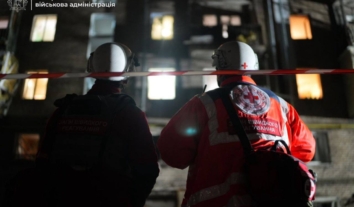
Russian aerial bomb and drone attack kill 4 in Donetsk Oblast town
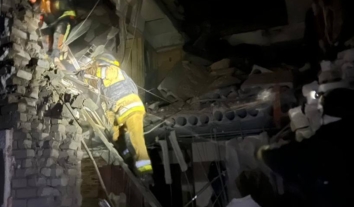
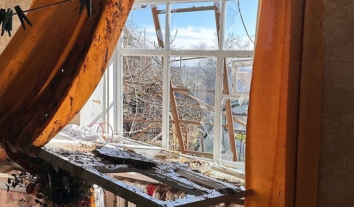
Russian military killed four people in the town of Kostiantynivka in the Donetsk Oblast at 11:00 on July 6, 2025, according to the Donetsk Oblast Prosecutor’s Office.
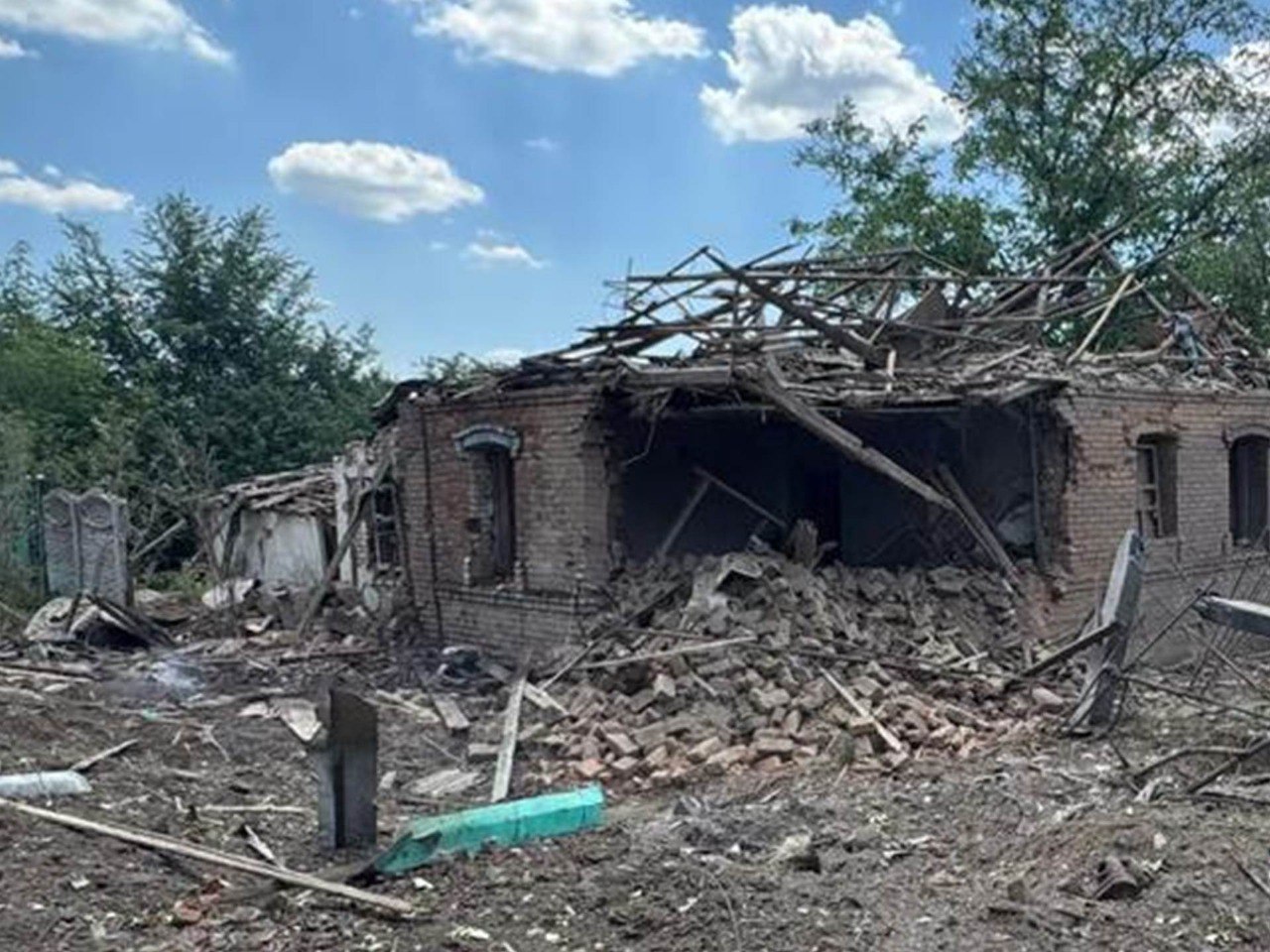
An FAB-250 bomb fitted with a UMPKі module killed two civilians and injured a 63-year-old man.
Ten minutes later, Russian forces attacked a civilian car with an FPV drone, killing the couple inside – a 39-year-old woman and a 40-year-old man.


Two days earlier, on July 4, Russians also damaged 15 houses and apartment buildings, power lines, and a car.
On July 4, Russians killed a total of two and injured 4 people in the Donetsk Oblast, according to the Donetsk Oblast Military Administration.
Russian forces killed two residents of Donetsk Oblast: in Kostiantynivka and Torske.
Four more people were injured in the oblast during the day – two in Pokrovsk and two in Kramatorsk.
The Donetsk Oblast has constantly suffered from shelling by the Russians during their war since 2014.
One of the artillery and drone attacks occurred at approximately 07:30 on May 22, 2025. That day, Russians attacked Kostiantynivka and the settlement of Raihorodok, killing two women aged 54 and 51 and injuring two others, according to the Donetsk Oblast Prosecutor’s Office. Her daughter, 27, sustained a blast injury, an open head wound, and injuries to her head, neck, and legs.
At 10:35, a Lancet kamikaze drone struck near a shop in Raihorodok in the Kramatorsk district. The strike instantly killed a 51-year-old woman working at a kiosk and injured a 39-year-old woman selling goods at the market, who went to the hospital after sustaining shrapnel wounds and a blast injury.
ZMINA continues to report on the ongoing international crimes in the Donetsk Oblast.
By way of background, Ukraine urges the international community to unite to restore global security under the UN Charter and strengthen sanctions against Russia to enforce compliance with international law. Following Russia’s initial invasion in 2014, Ukraine has pursued the liberation of its territories within its internationally recognised 1991 borders while developing comprehensive reintegration strategies and policies for all liberated areas.
Previously, Bohdan Bernatskyy, a member of the Sanctions Policy Working Group of the Crimean Platform Expert Network, revealed at the Third Parliamentary Summit in Latvia that over 1,300 Russian military companies and 2 million industrial workers continue to operate in Russian military equipment production, many without international restrictions.
Previously, a study by Dryad Global, as reported by Safety4sea.com, revealed that the number of vessels in Russia’s so-called “shadow fleet” has surged from fewer than 100 tankers at the start of 2022 to between 300 and 600 by early 2025, depending on the counting method.
According to the research, approximately 40 percent of these tankers were acquired from sellers in the European Union, specifically owners of vessels that were at or beyond their average operational lifespan.
Photos by the Donetsk Oblast Prosecutor’s Office