Russia strikes maternity hospital in Zaporizhzhia, injures six civilians
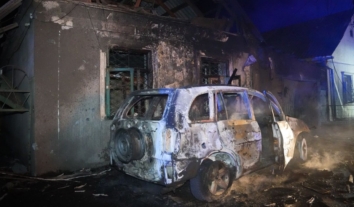
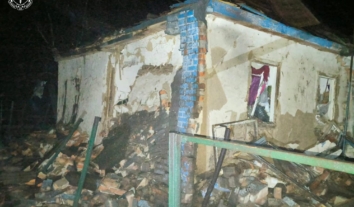
Russian forces struck a maternity hospital in Zaporizhzhia on February 1, 2026, according to Ivan Fedorov, head of the Zaporizhzhia Oblast Military Administration.
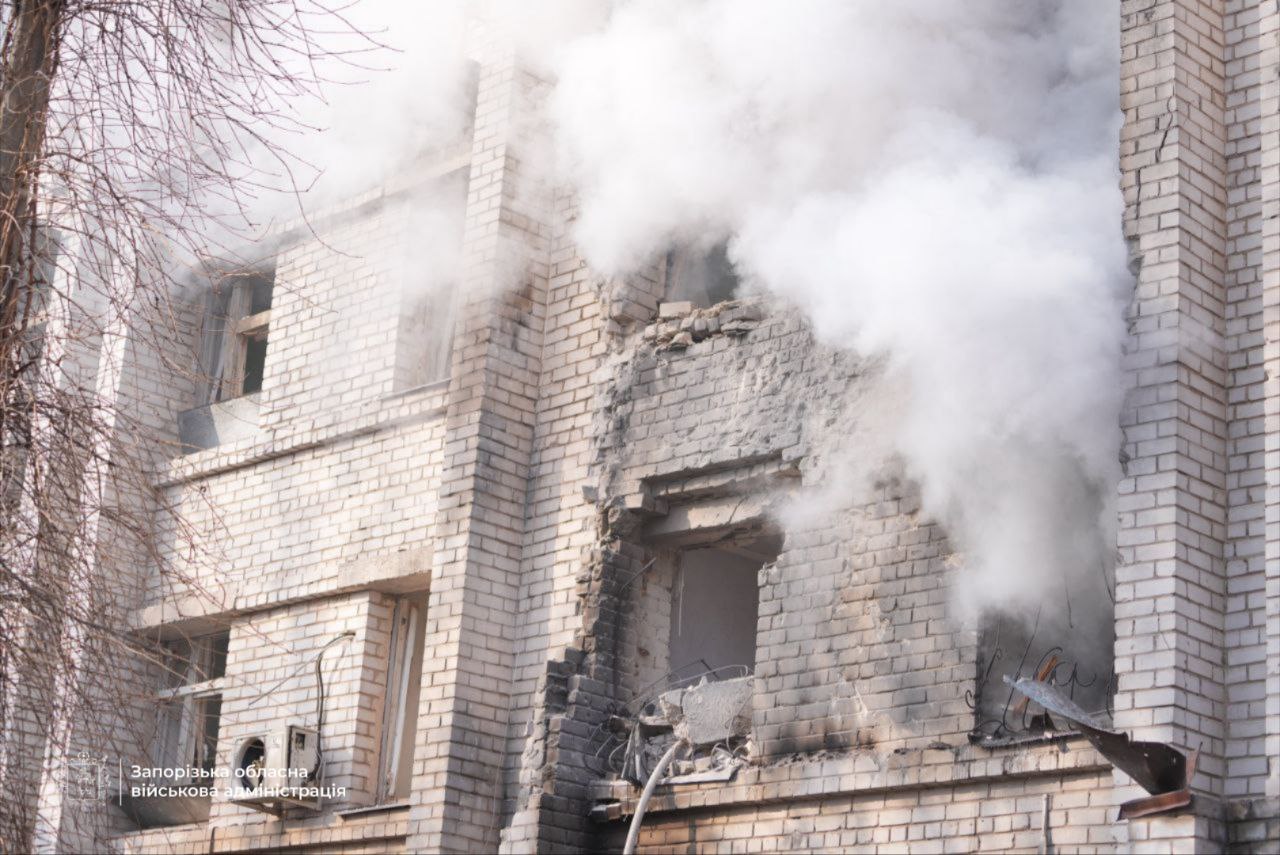 The aftermath of the Russian attack
Fedorov reported that six people were injured, including two women who were undergoing medical examinations at the time of the attack.
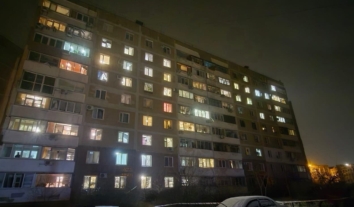
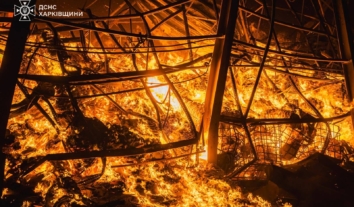
To provide background, on the night of January 31 — February 1, a man and a woman were killed after a Russian UAV strike hit their home in the city of Dnipro. A fire broke out; one house was destroyed, and two others were damaged.
Over the past 24 hours in the Zaporizhzhia Oblast, police recorded 1,019 strikes on 33 settlements. The enemy launched 689 drones and also utilized aviation and Multiple Launch Rocket Systems (MLRS). Four people were injured as a result of the attacks.
President of Ukraine Volodymyr Zelenskyy pointed out that the Russian Federation continues to systematically attack Ukrainian civilian infrastructure in an attempt to destroy the country’s energy and transport logistics. Throughout January the enemy launched over 6,000 attack drones, approximately 5,500 guided aerial bombs, and 158 missiles of various types at Ukraine.
Earlier, Bohdan Bernatskyy, a member of the Sanctions Policy Working Group of the Crimean Platform Expert Network, revealed at the Third Parliamentary Summit in Latvia that over 1,300 Russian military companies and 2 million industrial workers continue to operate, many without international restrictions.
Ukrainian experts point out that countries, including China, North Korea, Hungary, Slovakia, Iran, and Brazil, assist Moscow in killing Ukrainians in its war against Ukraine by funding the Russian budget through trade.
Ukraine urges the international community to unite to restore global security under the UN Charter and strengthen sanctions against Russia to enforce compliance with international law. Following Russia’s initial invasion in 2014, Ukraine has pursued the liberation of its territories within its internationally recognized 1991 borders while developing comprehensive reintegration strategies and policies for all liberated areas.
Keep up with ZMINA on X and LinkedIn – and help us improve by answering a few quick questions here about our English-language coverage.