Russia strikes hospital in Kharkiv, killing one person and injuring at least six others
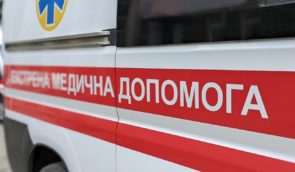
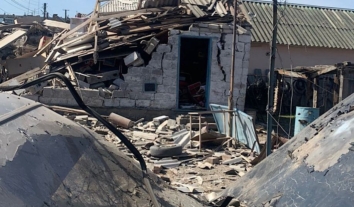
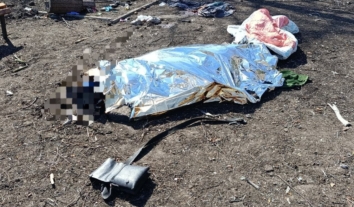
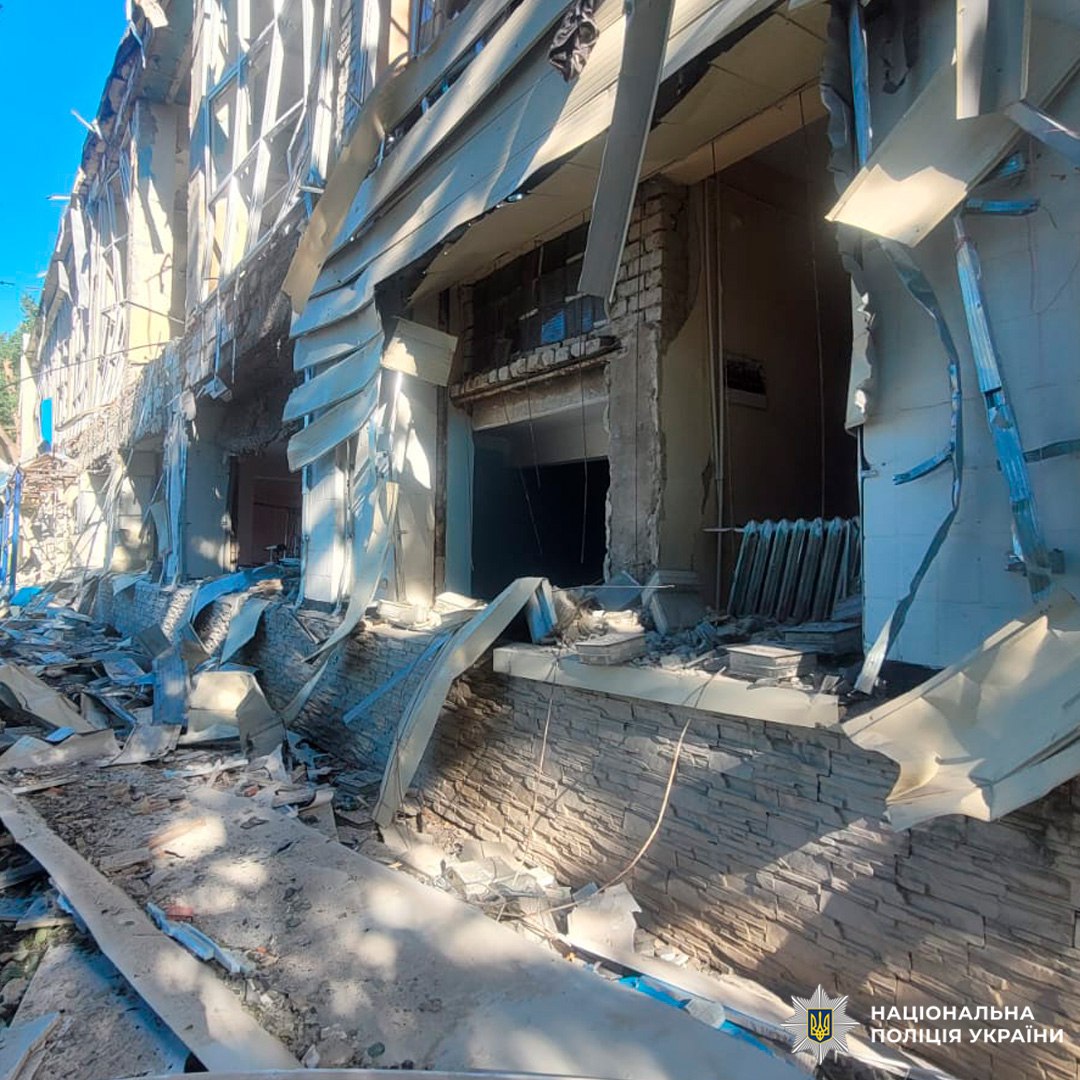
Russian military dropped a guided aerial bomb on the Regional Tuberculosis Hospital No. 3 in Kharkiv’s Industrialnyi District on July 25, 2025, killing one person and injuring at least six others, according to Kharkiv Mayor Ihor Terekhov and the head of the Kharkiv Oblast Military Administration, Oleh Syniehubov.
The attack occurred around 11:30 a.m.
“In the Industrialnyi District, a guided aerial bomb hit the building of a medical facility,” Terekhov stated. “Nearby is another building for treating people… There is information about one person killed by the enemy’s guided bomb.”
Terekhov confirmed that six people were known to be injured in the attack. He later added that the strike also damaged a private house near the medical facility.

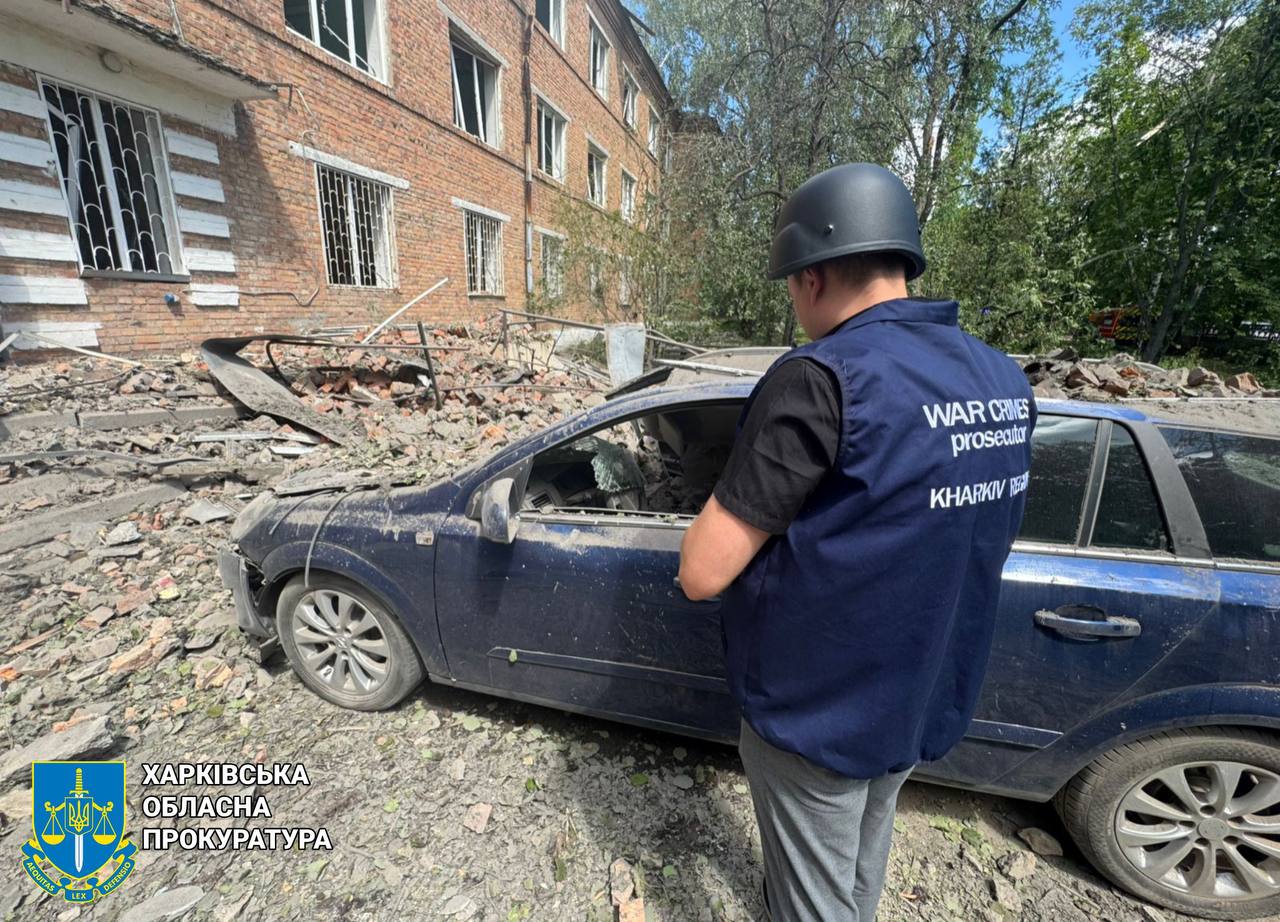

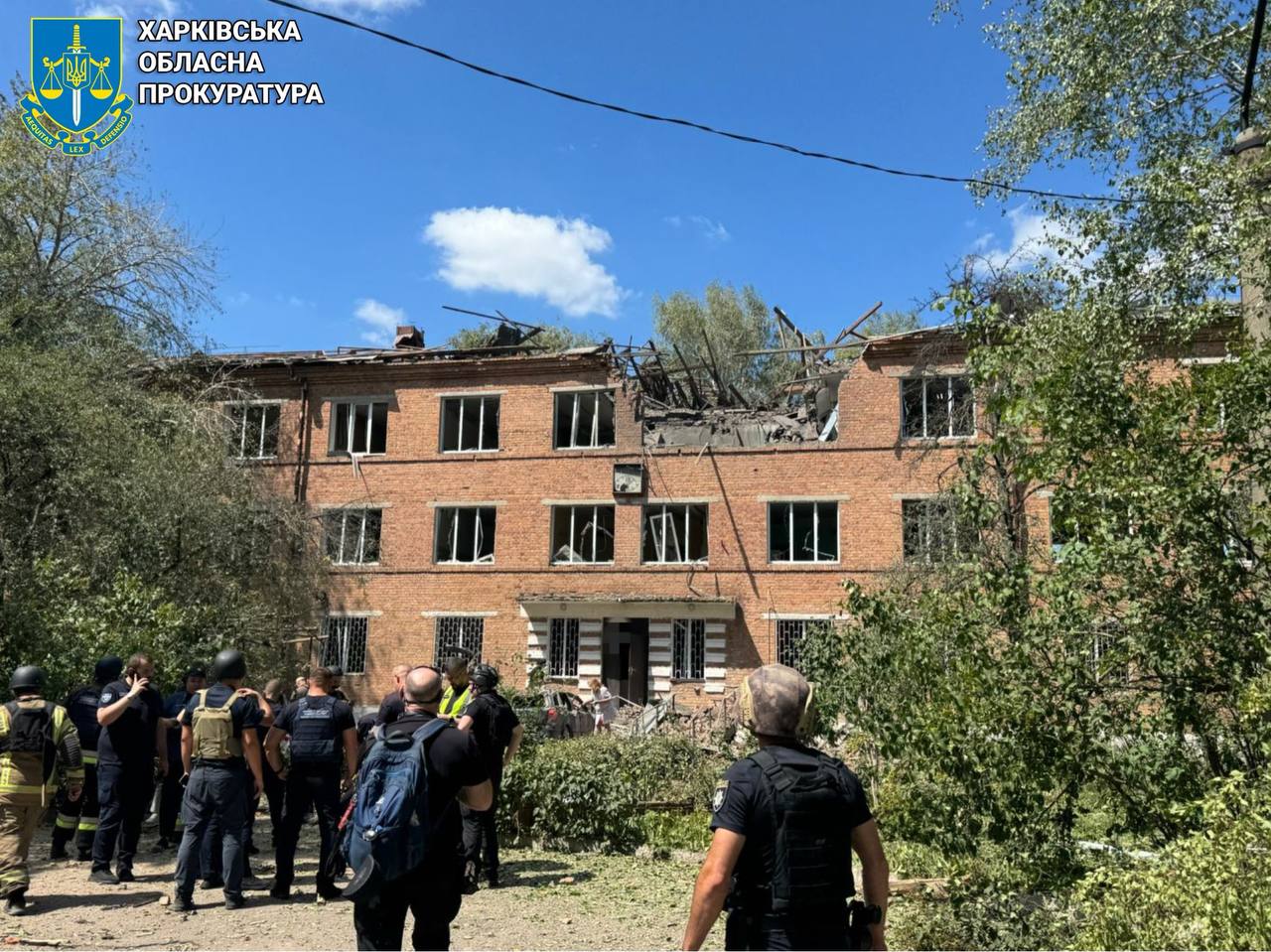
Syniehubov specified that, according to preliminary data, the Russian bomb struck the roof of the medical building. Among the injured is a 12-year-old girl suffering from an acute stress reaction.
At 2:23 p.m., Syniehubov stated that the number of casualties had risen to 14.
The day before, Russian armed forces carried out a strike with guided aerial bombs on the centre of the city of Kharkiv on July 24, injuring 41 people.
Earlier the same month, on the afternoon of July 14, Russians killed one person and injured seven others, including a 13-year-old child, in a Russian attack on the city of Zlatopil in the Kharkiv region, according to Syniehubov.
The head of the administration added that, according to preliminary data, the occupiers used Geran-2 type UAVs, also known as Shahed-136 drones.
Earlier, on July 5, the National Police of Ukraine reported that two people were killed and 11 wounded, including children, in a Russian attack in the Kharkiv Oblast.
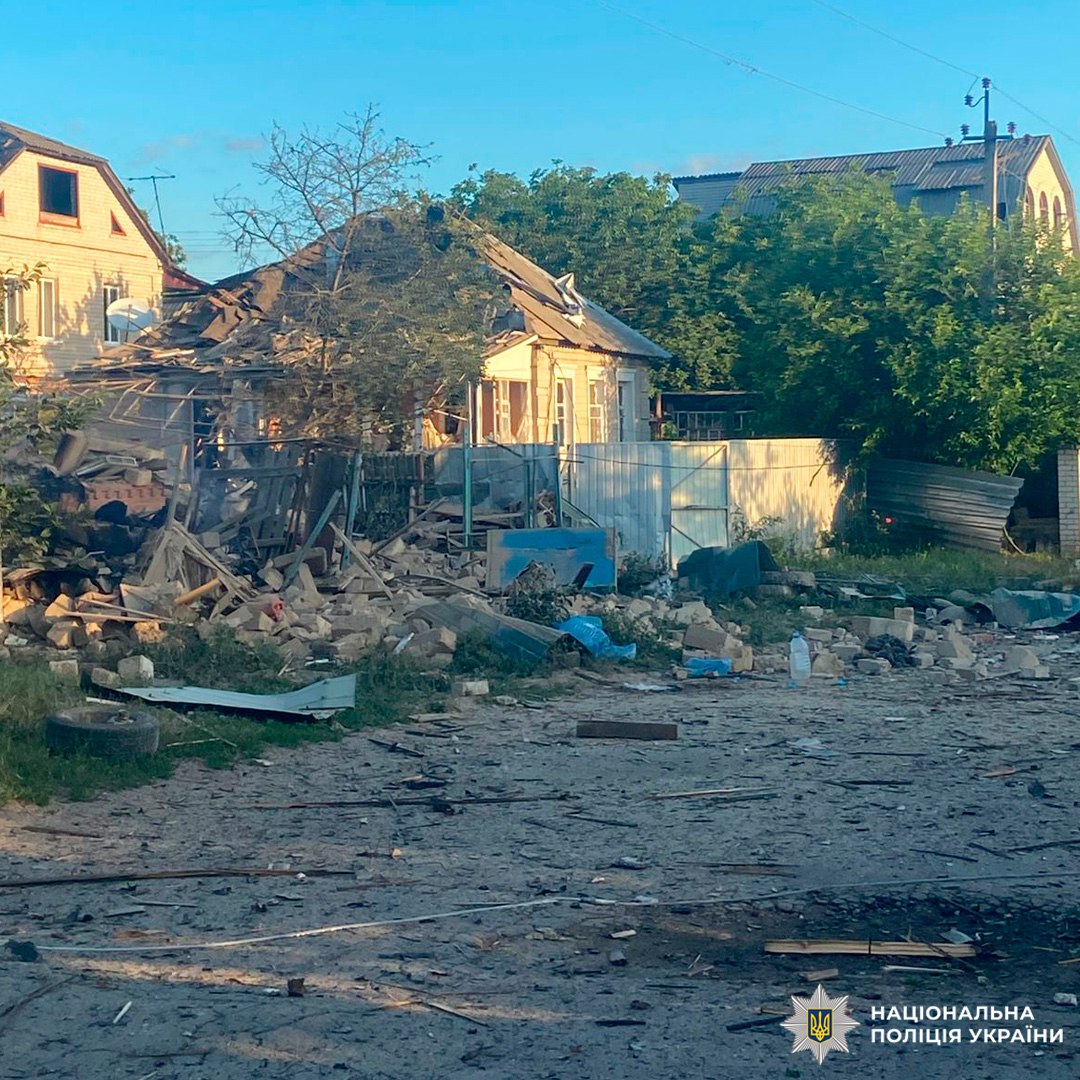
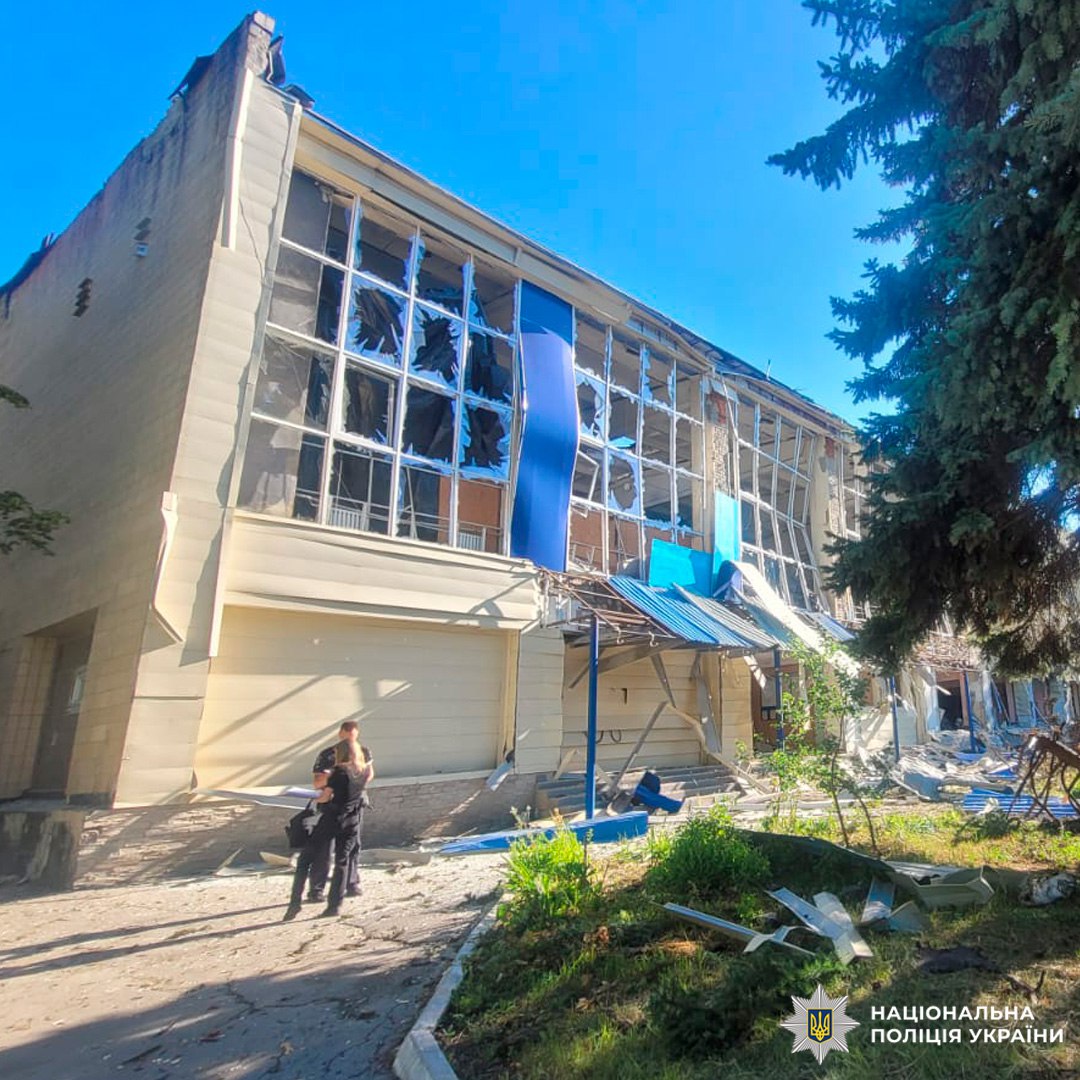

Russian UAVs attacked several areas of Kharkiv that night. The strikes hit the premises of a civilian company, a sports complex building, and a residential building.
A 46-year-old woman was injured by glass, and a three-year-old girl suffered an acute stress reaction.
A Russian drone attack on a civilian car near the village of Odnorobivka, Bohodukhiv District, killed an 8-year-old boy. The attack injured a four-year-old boy and a 40-year-old man and left a 36-year-old woman with an acute stress reaction.
Russian forces launched heavy attacks with various weapons on the Kupiansk district, killing a 59-year-old civilian. The attacks injured two men and three women.
On July 4, Russian troops killed a 55-year-old woman and injured two others when they struck the center of Kupiansk in the Kharkiv Oblast, according to Syniehubov.
This attack also wounded a 56-year-old man and a 61-year-old woman. Medical teams took them to the hospital, and doctors are stabilizing their condition.
Ukraine urges the international community to unite to restore global security under the UN Charter and to strengthen sanctions against Russia to enforce compliance with international law. Following Russia’s initial invasion in 2014, Ukraine has pursued the liberation of its territories within its internationally recognized 1991 borders while developing comprehensive reintegration strategies and policies for all liberated areas.
ZMINA continues to report on the ongoing international crimes in the Kharkiv Oblast.
Previously, Bohdan Bernatskyy, a member of the Sanctions Policy Working Group of the Crimean Platform Expert Network, revealed at the Third Parliamentary Summit in Latvia that over 1,300 Russian military companies and 2 million industrial workers continue to operate, many without international restrictions.
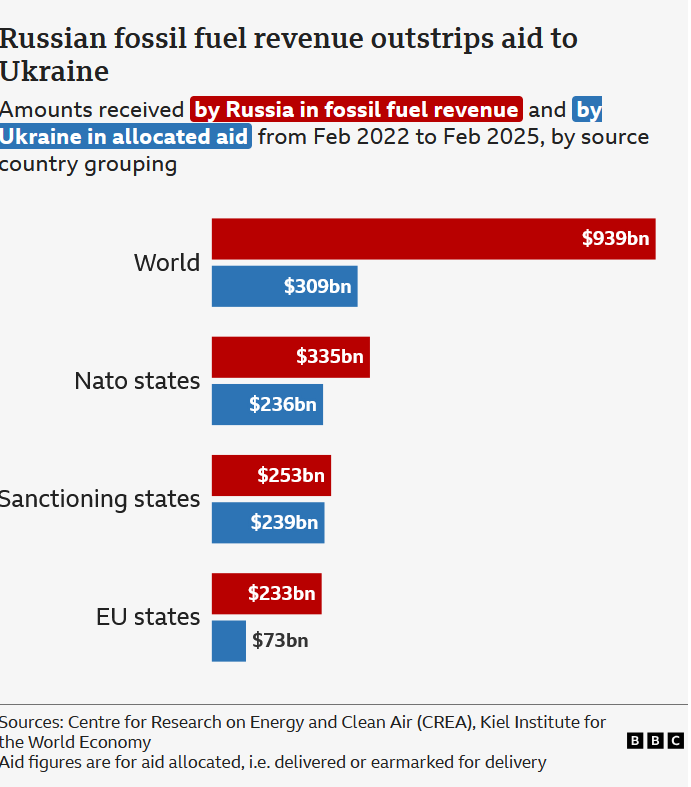
Earlier, BBC’s Russia editor Vitaly Shevchenko pointed out that Russia has continued to make billions from fossil fuel exports to the West, data shows, helping to finance its full-scale invasion of Ukraine, now in its fourth year.
Since the start of that invasion in February 2022, Russia has made more than three times as much money by exporting hydrocarbons as Ukraine has received in aid allocated by its allies.
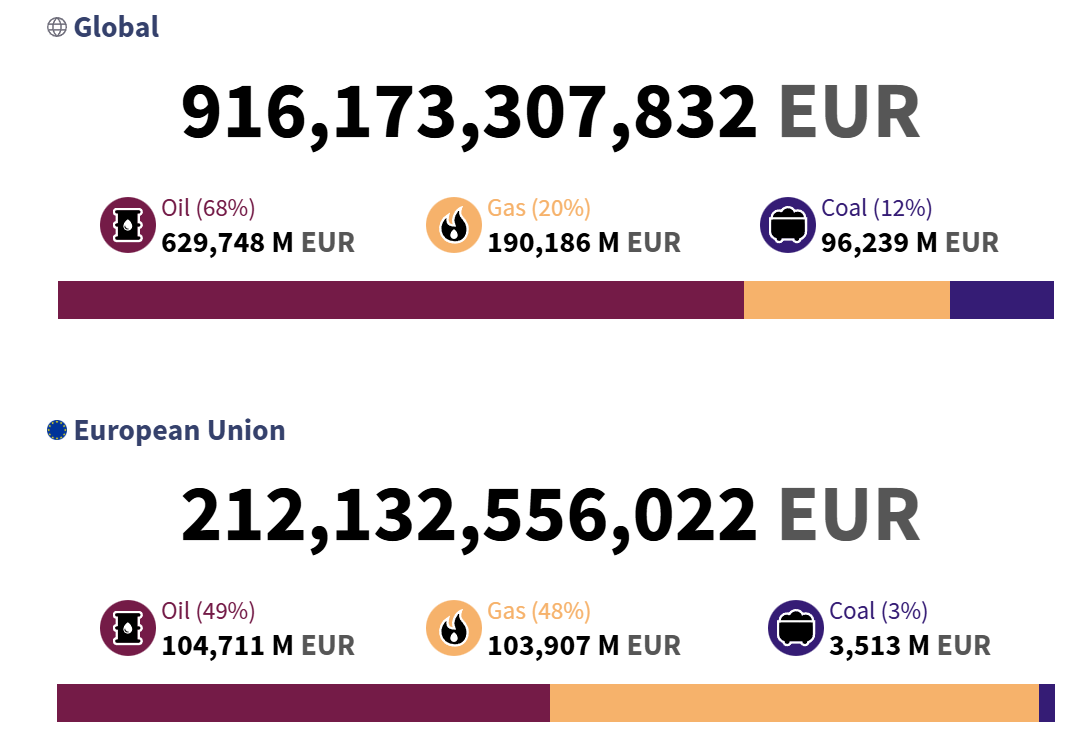
Despite sanctions imposed on Russia, by July 19, Russia had earned more than €912bn in revenue from fossil fuel exports since the start of the full-scale invasion, according to the Centre for Research on Energy and Clean Air (CREA).
Hungary and Slovakia also fund Russia’s war, receiving Russian pipeline gas via Türkiye.
Despite Western efforts, Russia’s fossil fuel revenues in 2024 fell by only 5% compared to 2023, along with a similar 6% drop in export volumes, according to CREA. Last year also saw a 6% increase in Russian revenue from crude oil exports, and a 9% year-on-year increase in revenue from pipeline gas.
Russian estimates say gas exports to Europe rose by up to 20% in 2024, with liquefied natural gas (LNG) exports reaching record levels. Currently, half of Russia’s LNG exports go to the EU, CREA says.
Mai Rosner, a senior campaigner from the pressure group Global Witness, says many Western policymakers fear that cutting imports of Russian fuels will lead to higher energy prices.
“There’s no real desire in many governments to actually limit Russia’s ability to produce and sell oil. There is way too much fear about what that would mean for global energy markets. There’s a line drawn under where energy markets would be too undermined or too thrown off kilter,” she told the BBC.
In addition to direct sales, some of the oil exported by Russia ends up in the West after being processed into fuel products in third countries via what is known as “the refining loophole”. Sometimes it gets diluted with crude from other countries, too.
CREA says it has identified three “laundromat refineries” in Türkiye and three in India, processing Russian crude and selling the resulting fuel to other countries. It says they have used €6.1bn worth of Russian crude to make products, while evading sanctions.
“[These countries] know that sanctioning countries are willing to accept this. This is a loophole. It’s entirely legal. Everyone’s aware of it, but nobody is doing much to actually tackle it in a big way,” says Vaibhav Raghunandan, an analyst at CREA.
Campaigners and experts argue that Western governments have the tools and means available to stem the flow of oil and gas revenue into the Kremlin’s coffers.