Russia sentences four Ukrainian prisoners of war captured in the Kursk region to 17 years in prison
The Second Western District Military Court of Moscow has sentenced Ukrainian prisoners of war Ivan Furlet, Yuriy Zadorozhny, Yuriy Sychenko, and Yuriy Khayuk to 17 years in prison, accusing them of “terrorism” in the Kurs’k Oblast, as reported by the Russian publication “Mediazona,” citing the Prosecutor General’s Office of the Russian Federation.
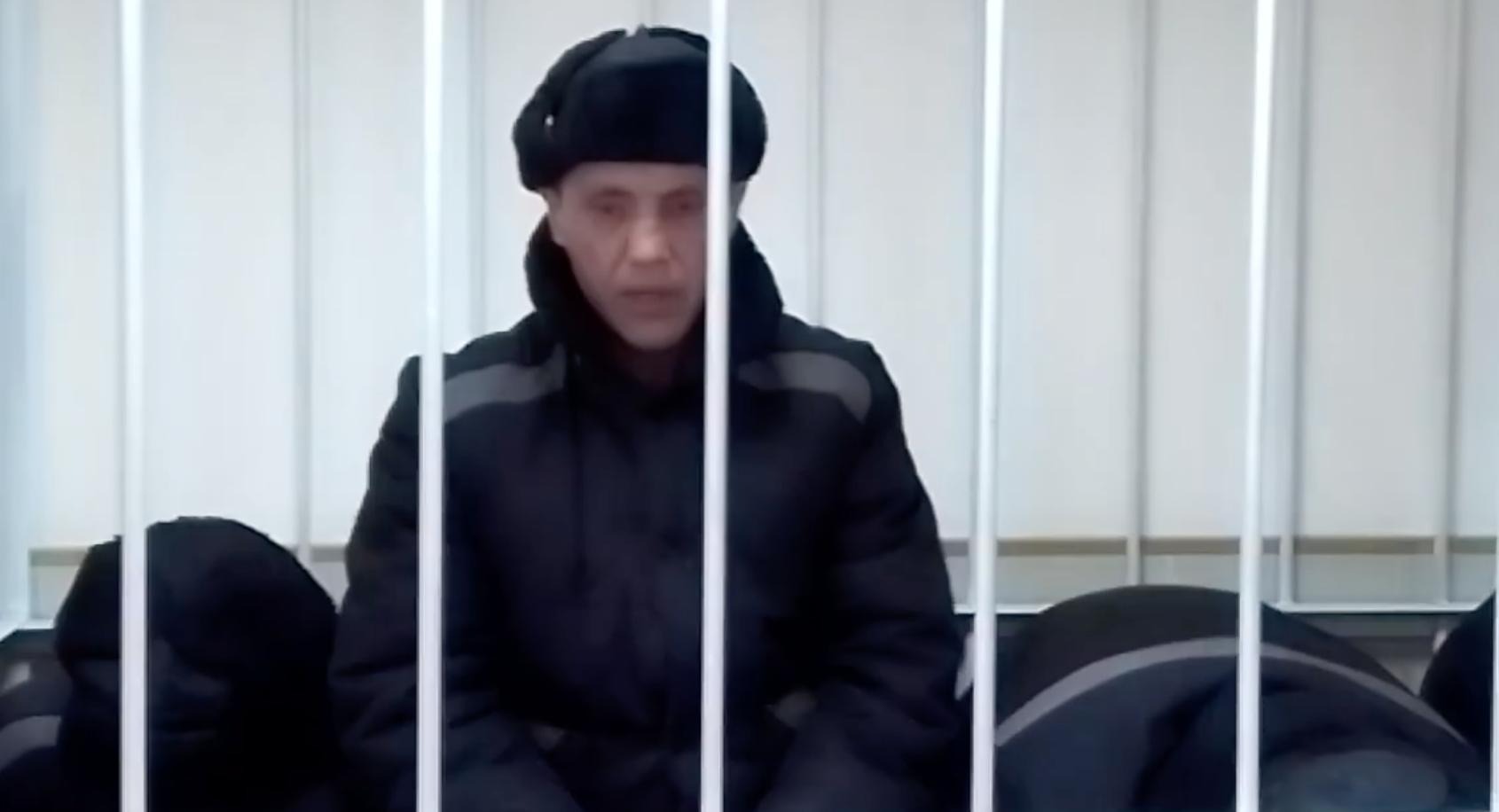 Ukrainian prisoners of war, video screenshot
According to the Russian version of events, four Ukrainian servicemen from the 64th Separate Rifle Battalion of the 44th Separate Mechanised Brigade of the Ukrainian Armed Forces – Furlet, Zadorozhny, Sychenko, and Khayuk – entered the territory of the village of Snagost in the Kursk region in a car as part of a convoy. In the settlement, they allegedly set up combat positions, established a reconnaissance and communication system, and opened fire on Russian soldiers. The Russian side also claims that the Ukrainian servicemen exerted pressure on the civilian population.
They were taken prisoner on September 10 of last year.
By the end of February 2025, Russian courts sent Ukrainian prisoners of war Dmytro Ignatenko and Yuriy Maslyukov from the 225th Separate Assault Battalion “Shkval” to a penal colony.
Ukraine has officially stated that it does not plan to annex the territory of the Kursk region of the Russian Federation. Ukrainian military forces, for the purpose of self-defence under Article 51 of the UN Charter, formed a “buffer (sanitary) zone” on the territory of the Russian region from which shelling of Ukrainian civilian cities was carried out.
According to the Geneva Conventions, Ukrainian military personnel cannot be held liable for participating in military operations, therefore, the very existence of such courts in the Russian Federation violates the legal immunity of the Ukrainian defenders. Furthermore, in most verdicts issued by Russian or illegal occupation courts, cases against prisoners are hastily fabricated, with confessions often extracted through torture, and they are then accused of shelling, cruel treatment of civilians, and participation in “terrorist organisations”.
Read more about this in the article: The Millstones of Russian Justice: How and Who Fabricates Cases Against Ukrainian Prisoners of War.