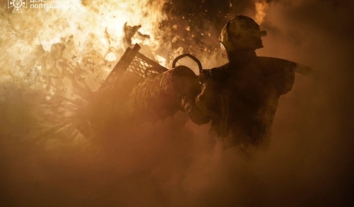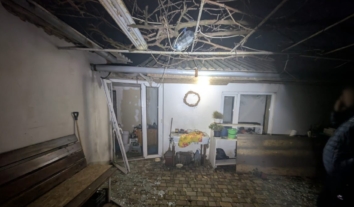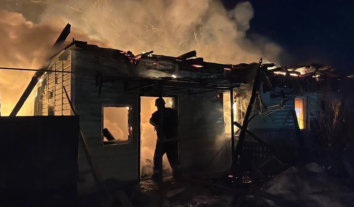
Russia killed nine people and injured more than 30 others in Ukraine on March 2
As a result of Russian military shelling on March 2, 2026, nine civilians were killed in the Dnipropetrovsk, Donetsk, and Chernihiv regions, and more than thirty others sustained various injuries, including in the Zaporizhzhia, Kherson, and Kharkiv Oblasts, according to the National Police and local authorities.
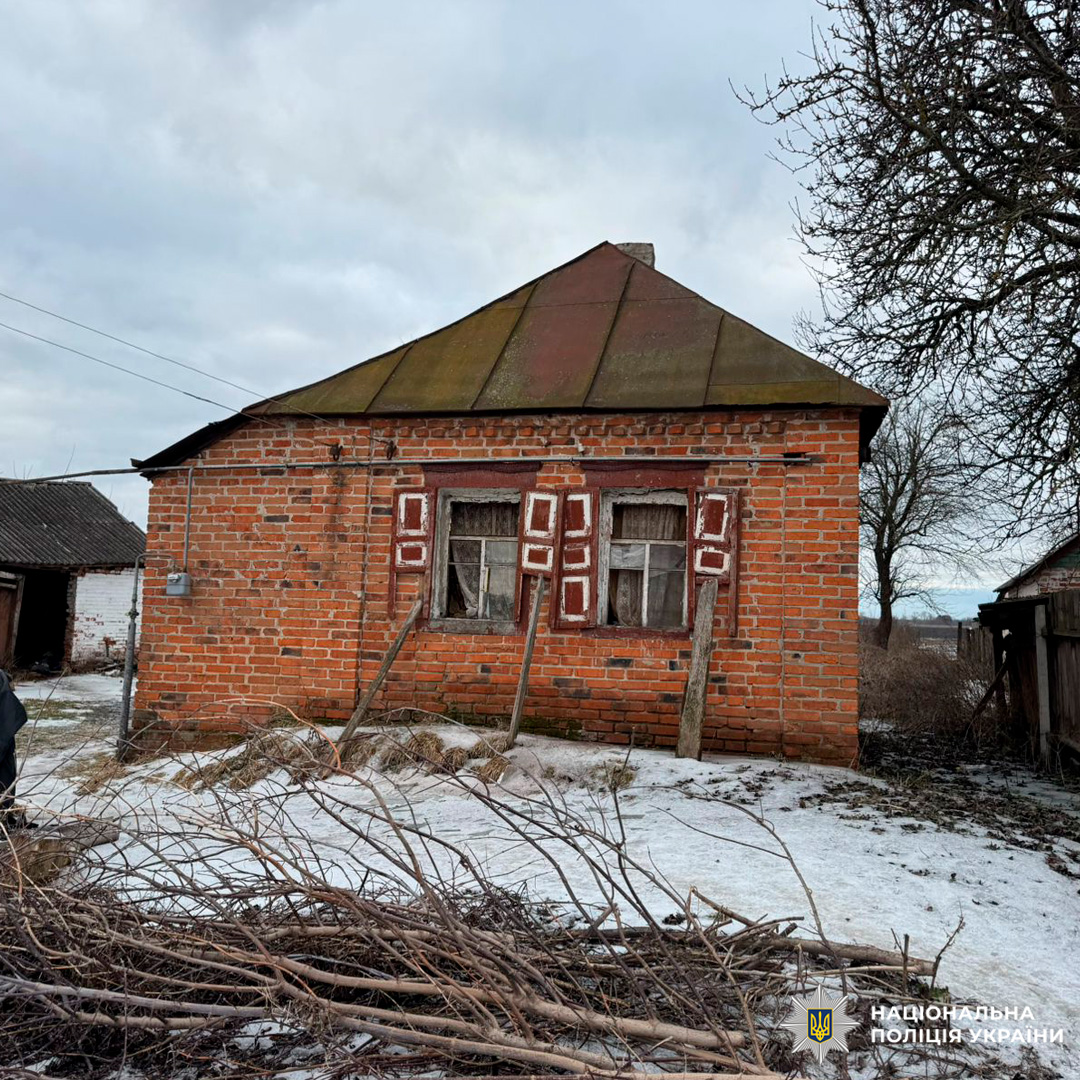 House struck by Russian shelling in the Kharkiv Oblast
The victims of Russian strikes on March 2 included:
- An 89-year-old woman in the Chernihiv Oblast, whose house was targeted by a drone during the night;
- Two people in the Dnipropetrovsk region;
- Three residents of Kostiantynivka, the Donetsk Oblast;
- Three people in Druzhkivka, the Donetsk Oblast, including Police Captain Oleksii Kryvenko.
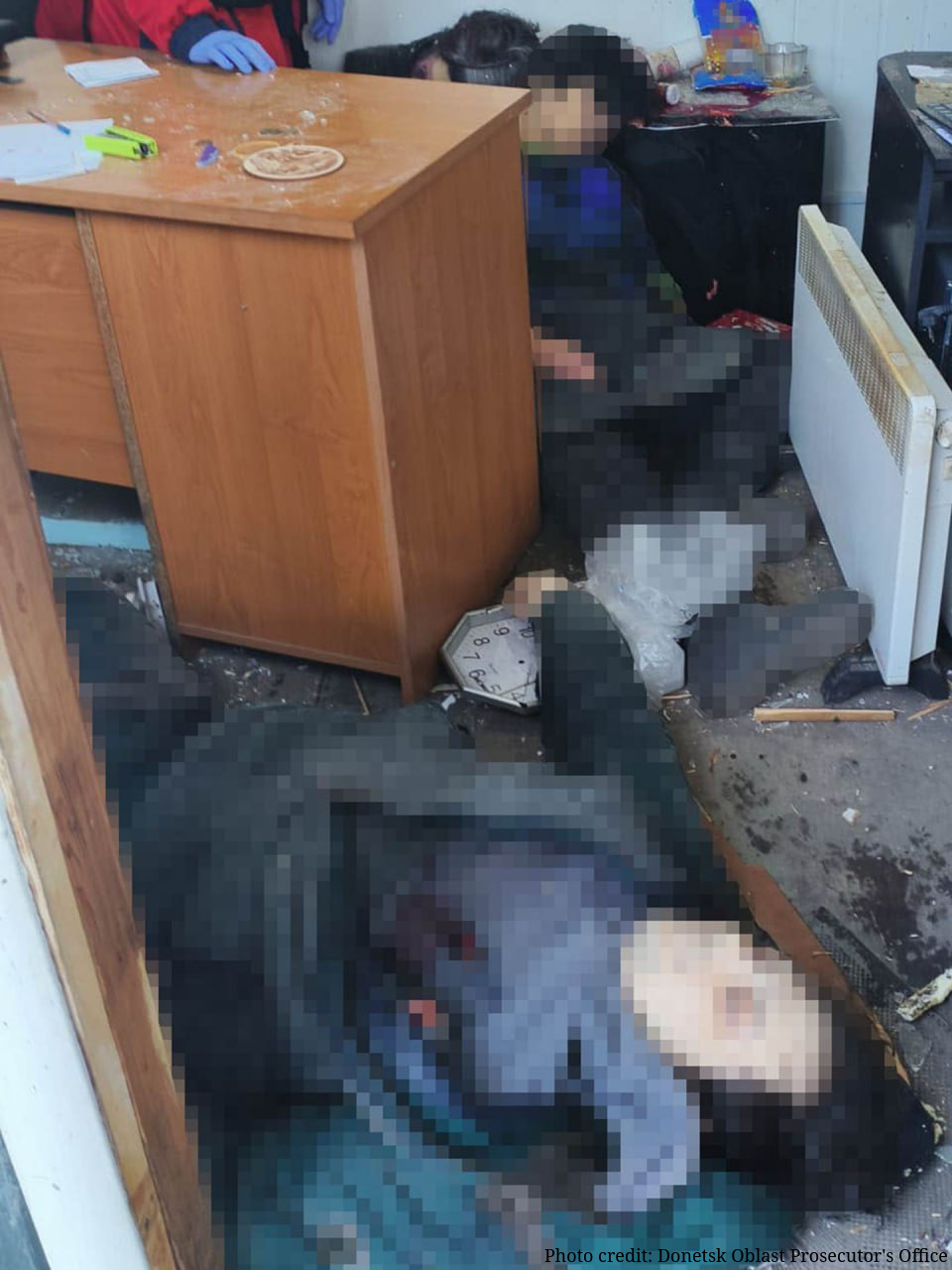 Killed by Russians Ukrainians civilians in the Donetsk Oblast
Numerous people were injured in yesterday’s Russian strikes, with the highest number — 19 — recorded in the Donetsk region.
Overall, the Russian military shelled the region more than 1,400 times using drones, artillery, multiple launch rocket systems (MLRS), and aviation. All the injured individuals sustained their traumas in Kostiantynivka and Druzhkivka.
At least 10 more civilians were injured due to Russian strikes in the Dnipropetrovsk Oblast.
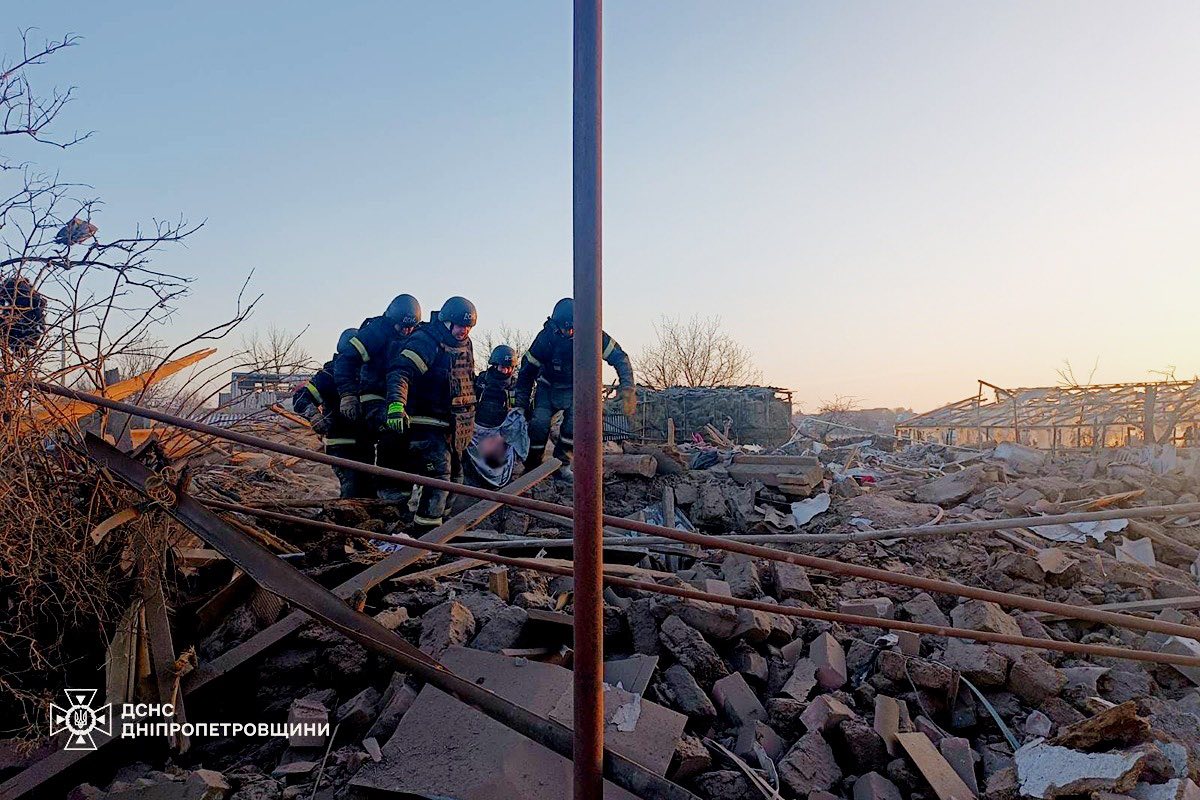
Four people were injured in the Kherson region, where the Russian military targeted civilians with artillery, drones, and mortars.
In the Kharkiv Oblast, May 2 saw two casualties, including a nine-year-old girl.
Similarly, two elderly individuals sustained injuries from Russian strikes on Komyshuvakha in the Zaporizhzhia region.
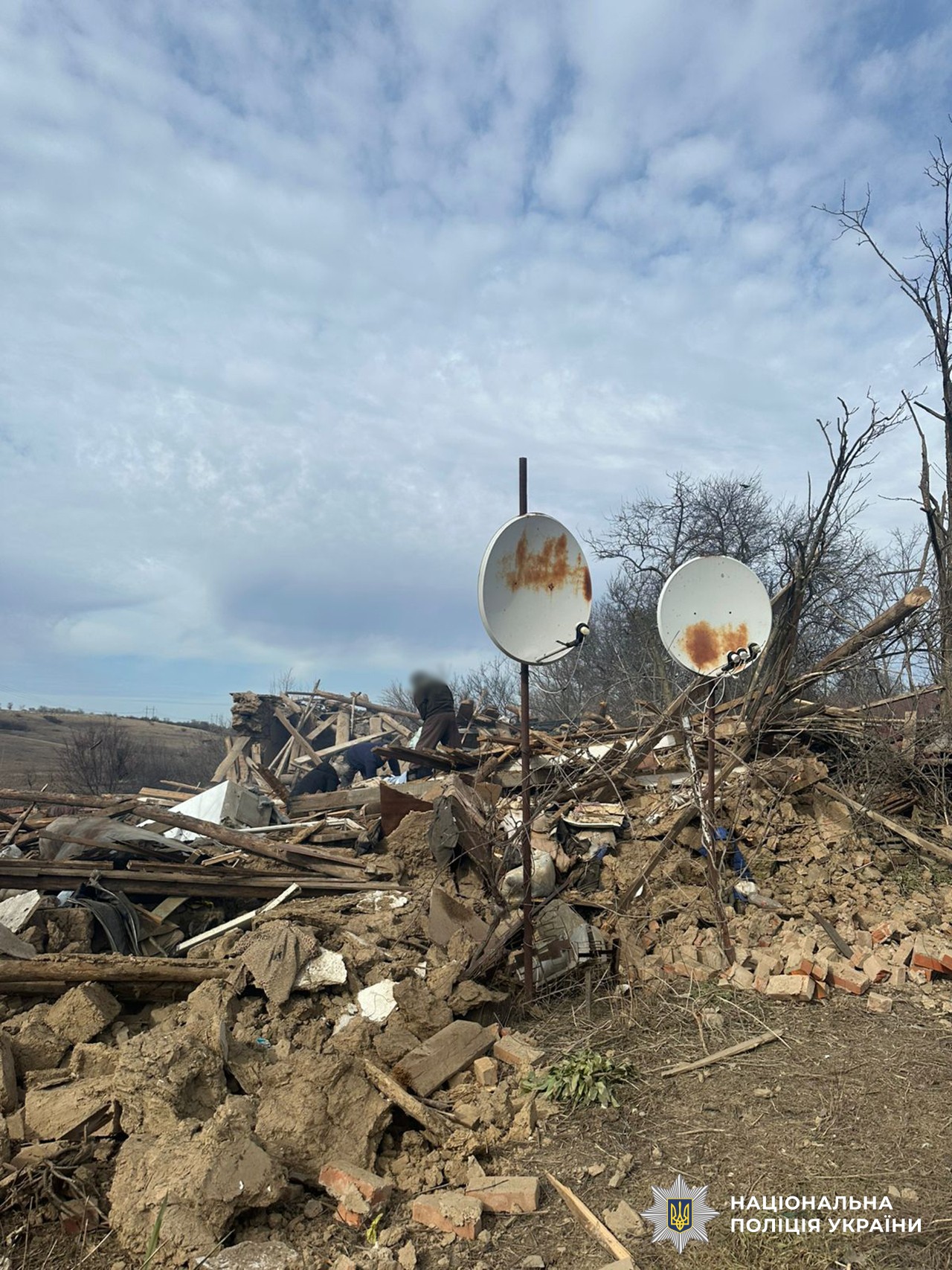 Aftermath of Russian shelling in the Zaporizhzhia Oblast
To provide background, over the course of March 1, Russian military shelling killed seven civilians in Ukraine, and more than 15,000 in total over the span of more than four years.
In other news, President of Ukraine Volodymyr Zelenskyy, in his evening address, reported that this spring, the Russians are preparing to strike critical infrastructure.
Zelenskyy said in an interview with the Italian newspaper Corriere della Sera that it was the right decision to strike Iran’s military facilities because Tehran supplies weapons to Russia.
“To attack Iranian military targets, in my view, was the right decision. Iranians produce a lot of weapons for Russia, including drones and missiles, although now, I think, they will no longer be able to do this, and perhaps now the Russians will arm them in return.”
At the same time, he warned about possible consequences for Ukraine. According to the Ukrainian President, Kyiv may face difficulties securing supplies of missiles and other air defense equipment.
“We may face difficulties in receiving missiles and weapons to protect our skies. The United States and its allies in the Middle East may need them for self-defense, for example, Patriot missiles,” he said.
You may also want to read: Zelenskyy offers help to stop Iranian drones in return for truce — Bloomberg
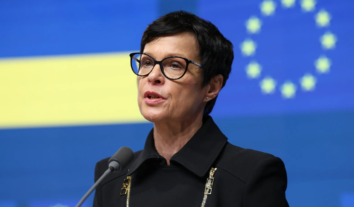
Andrius Kubilius, European Commissioner for Defence and Space, said in an interview with Radio Liberty’s Ukrainian Service that the EU is seeking ways to prevent the conflict in Iran from affecting the supply of air defense systems to Ukraine.
Kubilius acknowledged that developments regarding Iran could affect global missile supplies for air defense systems and delay deliveries to Ukraine. He explained that the annual production volume of US-made missiles for Patriot air defense systems is about 700 units, indicating it is limited.
According to Kubilius, he plans to launch an in-person “missile tour” as early as this week, visiting European manufacturers to speed up the delivery of missiles to Ukraine.
Zelenskyy acknowledged at a briefing on March 3 that Ukraine is facing a shortage of PAC-3 missiles for its Patriot air defense systems, and Kyiv is prepared to exchange its interceptor drones for them.
Responding to journalists’ questions about whether partners from the Middle East had reached out to Ukraine for assistance, Zelenskyy noted that diplomats at various levels are currently working with representatives from the Middle East, Ukrainska Pravda reported. According to the President, Ukraine cannot transfer weapons that are currently in short supply at home, but it is, of course, ready to share its experience in repelling massive enemy attacks.
Zelenskyy also outlined a scenario where Ukraine could provide Middle Eastern partners with its anti-aircraft drones, which have proven to be an effective weapon against Iranian-made suicide drones.
“I think these days I am speaking with each of the leaders of these countries who reach out or seek cooperation. Undoubtedly, the number one issue for everyone is how to protect the sky. We are living through this issue ourselves… Today, they have, for example, Patriot air defense systems and PAC-3 missiles—they have all of that. But does it protect against hundreds of ‘Shaheds’? No. However, we have a shortage of PAC-3s. For instance, if we are talking about weapons we lack during the war, it’s PAC-3 missiles. If they give them to us, we will give them interceptors. It is a fair exchange,” the President said.
Meanwhile, Italian Prime Minister Giorgia Meloni said she is concerned about the unfolding crisis around Iran, describing it as part of a wider crisis in international law born of Russia’s war in Ukraine. She called on Tehran to stop its “totally unjustified” attacks in the Persian Gulf, stressing that the situation must not be allowed to spread further, Italian news agency ANSA reported.
“I am concerned about the overall context: a crisis in international law that is inevitably the result of the war in Ukraine. When a member of the United Nations Security Council deliberately attacked its neighbor, it was inevitable that it would lead to a season of chaos,” she stated.
Ukrainian experts point out that countries including China, North Korea, Hungary, Slovakia, Iran, and Brazil assist Moscow in killing Ukrainians in its war against Ukraine by funding the Russian budget through trade.
EU ambassadors have agreed on the text of the 20th sanctions package against Russia, but the final decision remains blocked by Budapest and Bratislava.
Previously, the Ukrainian OSINT Varta team, in collaboration with the Lex Talionis project, has published an interactive map containing data on more than 6,000 enterprises of the Russian military-industrial complex and their 1.2 million employees. The interactive map provides descriptions of activities and specific developments for each enterprise, as well as a categorization system that allows filtering by type.