Russia hits Ukraine’s power grid with heaviest missile attack of the year
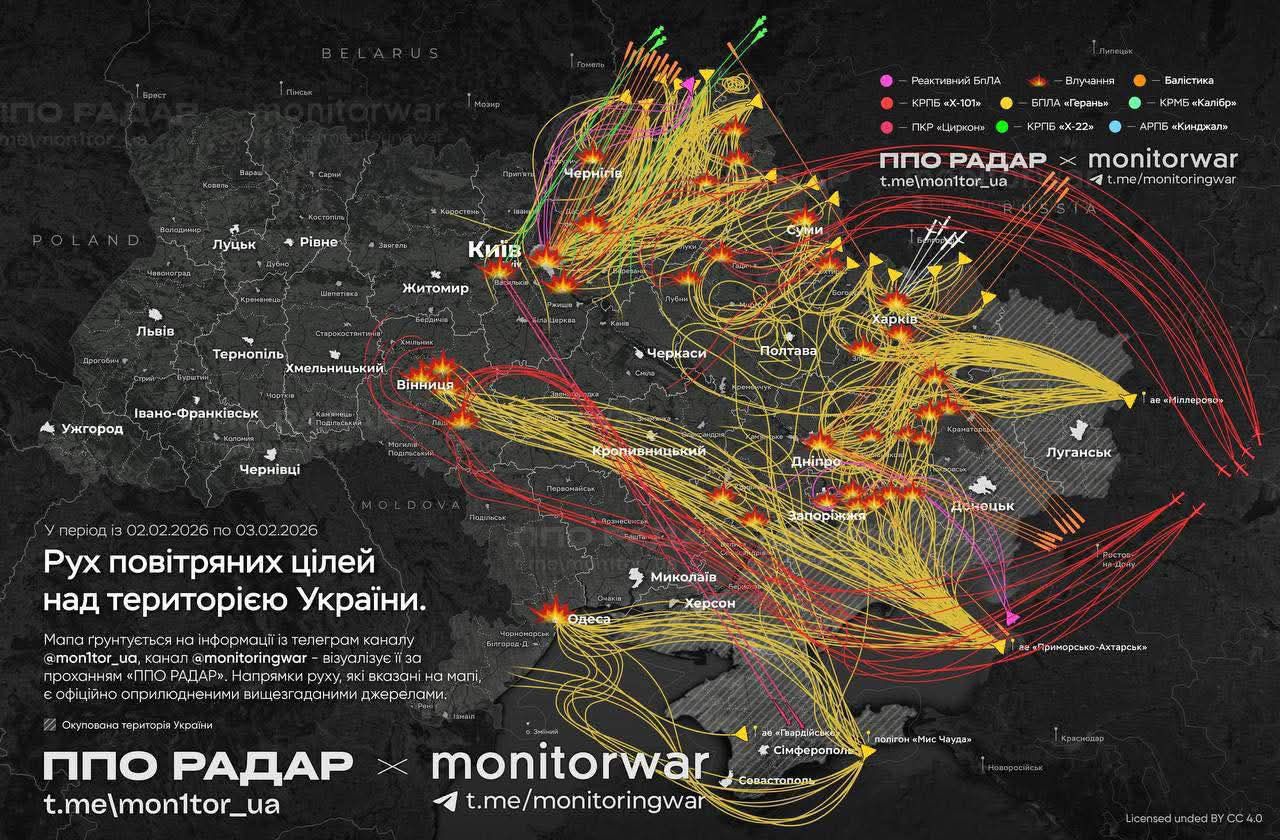
Russia has used a record number of ballistic missiles to target Ukraine’s energy sector, President Volodymyr Zelenskyy has stated. The combined missile and drone strikes hit power plants and infrastructure in Kyiv and multiple locations, causing “the most powerful blow” so far this year, according to private energy company DTEK.
Russian strikes hit energy facilities in several regions, with the greatest damage recorded in Kharkiv Oblast, Dnipropetrovsk Oblast, the city of Kyiv and Kyiv Oblast, Vinnytsia Oblast, Odesa Oblast, and the city of Zaporizhzhia.
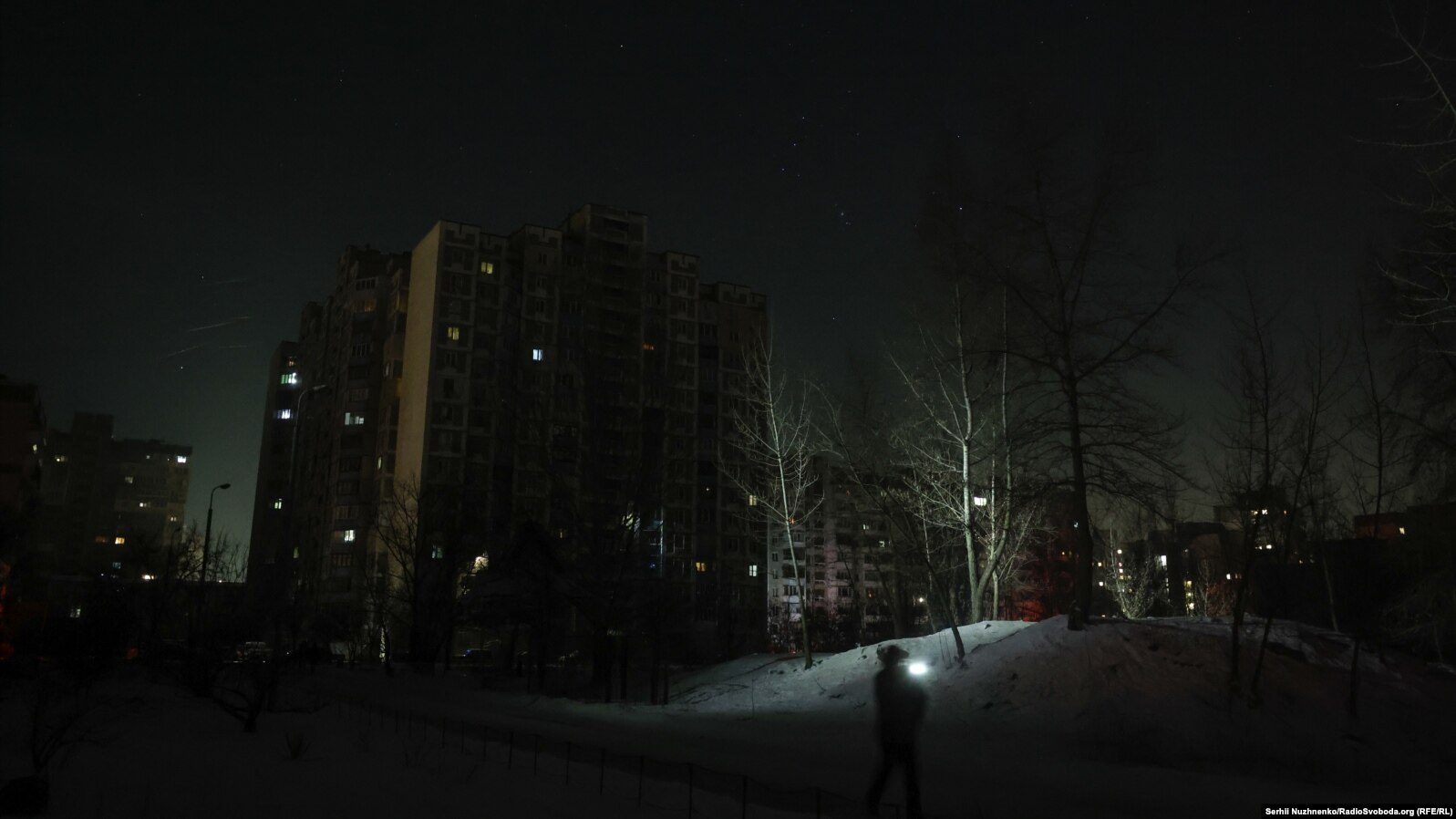
BBC News correspondent Sarah Rainsford noted that the strikes were launched as temperatures dropped to -20C (-4F), leaving more than 1,000 tower blocks in the capital without heating once again, and damaging a power plant in the eastern city of Kharkiv beyond repair.
Zelenskyy said Russia was “choosing terror and escalation” rather than diplomacy to end this war and called for “maximum pressure” on Moscow from Ukraine’s allies.
Residents spent the night sheltering in metro stations, with some pitching tents on the platforms to protect themselves from the freezing cold.
President Zelensky has said more than 70 ballistic and cruise missiles were fired — significantly more than usual — together with 450 drones, which are used to overwhelm Ukraine’s air defences. Ukraine’s Air Force said it had intercepted only 38 of the missiles, suggesting many reached their targets.
Officials here have complained repeatedly of a shortage of missiles to protect the skies. Ukraine relies on US-made Patriot missiles, in particular.
“Timely delivery of missiles for air defense systems and the protection of normal life are our priority,” Zelenksy wrote on X this morning. “Without pressure on Russia, there will be no end to this war.”
Volodymyr Zelenskyн, in his evening address, stated that he expects a US response to the Russian missile attack on Ukraine this night, recalling that Donald Trump had personally asked for strikes on energy infrastructure to stop.
“There was a personal request from the US president. We have seen Russia answer that request with its heaviest ballistic missile barrage yet. Not even four full days have passed since Russia was asked for this. This says everything about everything else Russia has promised or may still promise. If their word does not hold even now, what can we expect next?” the President asked.
Ukraine’s President said that Russia had lied even before this war.
“They are incorrigible in Moscow. They want to exploit the cold because they cannot subdue us, Ukraine, with their assaults. Russia’s bet on war must receive an answer from the world,” he commented.
U.S. President Donald Trump stated during an exchange with reporters at the White House that Putin “kept his word” regarding the declared “energy truce.”
“The pause was from Sunday [January 25] to Sunday [February 1]. It ended, and Putin hit them [Ukraine] hard last night. He [Putin] kept his word. One week is a lot… because it is very, very cold there,” he said.
Responding to a question about whether he was disappointed that the pause did not last longer, Trump said, “I want them to end the war.” Asked again whether he was disappointed that the pause did not last longer, Trump replied, “I want them to end the war.”
Ukraine will adjust the work of the Ukrainian delegation in peace talks following the Russian strike on the energy sector on February 3.
Within 24 hours of taking office, U.S. President Donald Trump has not secured an end to Russia’s war as he promised. Furthermore, numerous Ukrainian and international experts point out that the U.S., as a guarantor state under the Budapest Memorandum, is pressuring Kyiv into capitulation.
Earlier, Bohdan Bernatskyy, a member of the Sanctions Policy Working Group of the Crimean Platform Expert Network, revealed at the Third Parliamentary Summit in Latvia that over 1,300 Russian military companies and 2 million industrial workers continue to operate, many without international restrictions.
Over the last 10 days, Russia has increased oil discounts for Indian refining companies to encourage India to continue purchasing Russian crude, Bloomberg news agency reported, citing its own sources.
According to the publication, Russian Urals crude is being offered to Indian buyers at prices more than $10 per barrel lower than Brent, including shipping and other costs. Analytical firm Argus estimates current discounts at approximately $11 per barrel. Prior to January 22, this figure stood at $9.15.
Over the last three and a half years, China has become a critically important partner for the Russian Federation. While Beijing officially declares its neutrality, Western intelligence and analytical studies indicate otherwise. For instance, China does not supply weapons directly to Russia, but it provides critically important components, including machinery, microelectronics, specialized chemicals, optics, gunpowder, and ammunition components.
Donald Trump announced several days ago that the United States would lower tariffs on Indian goods in exchange for India halting its imports of Russian oil.
Indian Prime Minister Narendra Modi thanked Trump but did not explicitly confirm the deal or disclose further details.
According to energy data firm Kpler, purchases have declined in recent months but still averaged approximately 1.2 million barrels per day in January.
Meanwhile, the Center for Strategic and International Studies found that in 2024 China increased sales of ammonium perchlorate — a key ingredient used to produce solid propellant for Iskander missiles. This assistance enabled Russia to triple its ballistic missile production, the report stated. Beijing’s support has bolstered Russia’s defense industrial base, enabling Russian forces to launch salvos of 13 to 18 Iskander-M ballistic missiles in 2026.
Overall imports from China have grown to represent one-third of Russia’s total imports, while Russian oil exports now account for 75% of all oil purchased by Beijing. Analysts specifically highlighted defense-related imports, which provided the Russian military-industrial complex with machine tools, components, and raw materials for weapons manufacturing.
Furthermore, Russia’s defense industry also received computer chips, machine tools, radars, and sensors from China, according to CSIS. These goods are part of a list of 50 items aiding weapons production, effectively compensating for Russia’s limited manufacturing capacity in its defense sector. Other areas of support include the supply of drone hulls, lithium batteries, and fiber-optic cables. CSIS reported that Russian imports from China rose from $190 billion in 2022 to $250 billion in 2024.
In 2024, then-U.S. Secretary of State Antony Blinken stated that 70% of heavy industrial equipment and 90% of all microelectronics are sourced from China, which then flows into Russia.
Furthermore, according to recent NATO intelligence data, 80% of all Russian drones consist of Chinese parts.
According to The Telegraph newspaper, Chinese firms supplied sanctioned Russian companies with at least £47 million ($57.4 million USD) worth of parts between 2023 and 2024. Almost a quarter of the value of these supplies went to firms that produce Shahed-type drones.
Moreover, the Foreign Intelligence Service of Ukraine stated that China is also providing intelligence to Russia. The Kremlin used this data to prepare missile strikes, particularly against objects belonging to foreign investors, though the specific targets were not clarified. China denies these accusations.
Following the imposition of Western sanctions, Beijing has become a key supplier to Russia of cars, clothing, raw materials, and a range of other goods. In 2023, Russia-China trade turnover set a historic record, exceeding $240 billion, which is more than 60% higher than before Russia’s invasion of Ukraine, according to Chinese customs data.
Reuters also reported that China is buying oil and gas from Russia. The average daily volume of oil is more than two million barrels per day. During Vladimir Putin’s visit to Beijing, the countries signed a document for the supply of 106 billion cubic meters of gas per year to China.
Keep up with ZMINA on X and LinkedIn – and help us improve by answering a few quick questions here about our English-language coverage.