Russia carried out a massive attack on the energy of Ukraine overnight: under strike are substations, power lines, and TPPs
On the night of February 7, Russian troops carried out another massive attack on the energy infrastructure of Ukraine. The Russian army launched strikes on substations and overhead lines, as well as on the Burshtyn and Dobrotvir TPPs, according to the Minister of Energy Denys Shmyhal.
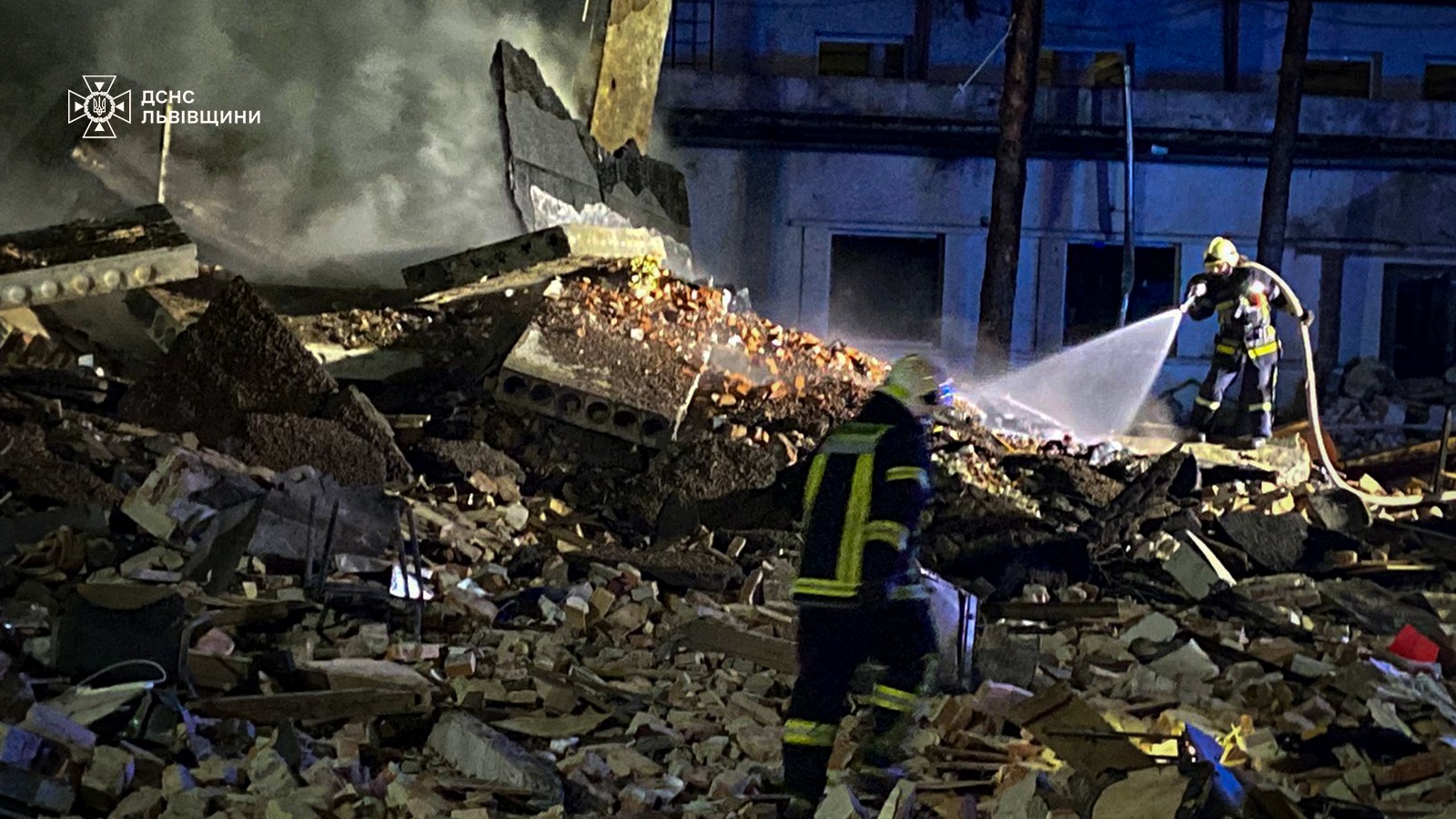
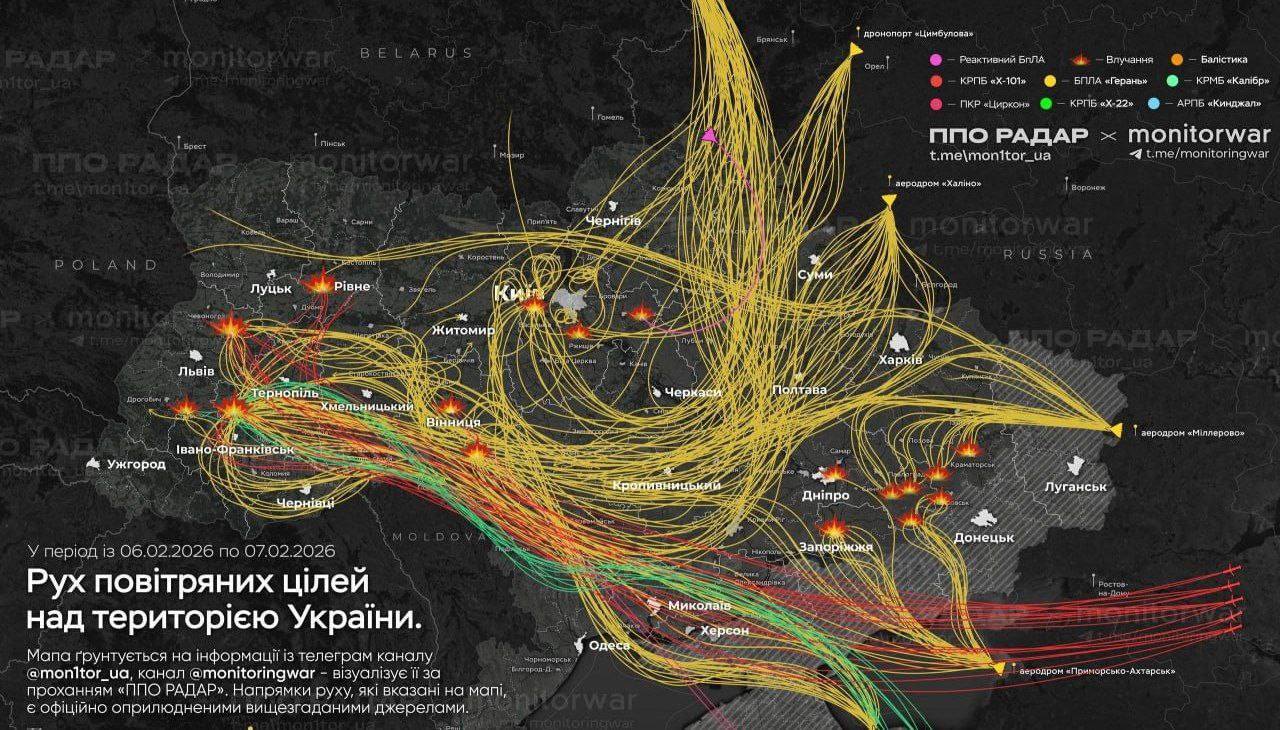
Russian forces launched more than 400 drones and around 40 missiles against Ukraine on this night, President Volodymyr Zelenskyy said.
According to the Minister of Energy, key elements of the energy system were attacked — substations and overhead power transmission lines at 750 kV and 330 kV, which form the basis of the country’s energy grid. Also, the Russians launched strikes against power generation facilities, particularly the Burshtyn and Dobrotvir thermal power plants.
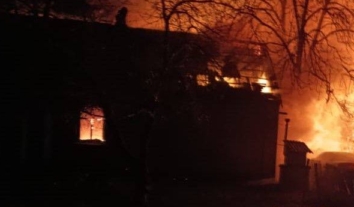
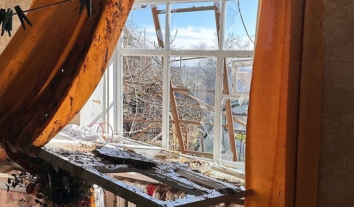
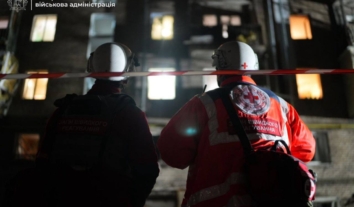
According to the Rivne Oblast Military Administration, Russians struck a two-story apartment building in the Rivne Oblast. They killed a man. The authorities reported that medics took two other people to a hospital.
The roof, windows, and doors need replacing in that building and a neighbouring one. Authorities have set up a heating point in the courtyard.
In connection with the threat, personnel unloaded the power units of nuclear power plants.
Throughout Ukraine, 4.5–5 rounds of emergency power outage schedules are being implemented, and in the eastern and northern regions, additional emergency shutdown schedules have been introduced.
The DTEK energy company reported that this is already the tenth massive attack of the Russian Federation on DTEK thermal power plants since October 2025. As a result of the shelling, the equipment of the TPPs suffered significant damage.
In total, since the beginning of the full-scale invasion, DTEK thermal power plants have been attacked by the enemy more than 220 times.
The Ukrainian energy system continues to work in conditions of constant shelling, and the military and energy workers are doing everything possible to preserve stability and restore power supply.
To provide background, as a result of shelling by the Russian military on the night of February 6, civilians were killed and injured in the Dnipropetrovsk and Zaporizhzhia Oblasts.
A day earlier, IAEA Director General Rafael Mariano Grossi stated that the Russian attacks had significant impacts on the operations of several regions of Ukraine and nuclear power plants (NPPs), and that extensive repair work is necessary.
“To increase the reliability of power supply to Ukrainian NPPs and strengthen their resilience to further grid accidents, extensive repair works are necessary, Interfax-Ukraine news agency cites Grossi as saying.
He specified that the power lines connecting Ukraine to neighboring countries had been disconnected, triggering a cascade of outages across the country.
As a result, a unit of one NPP disconnected from the grid due to voltage fluctuations and automatically shut down, while other units of other NPPs were forced to reduce power.
On January 30, Lithuanian Foreign Minister Kęstutis Budrys appealed to the prosecutors of the International Criminal Court (ICC) with a request to issue new arrest warrants against those responsible in the Russian Federation for committing massive attacks on critical and civilian objects of Ukraine.
“These systematic attacks, which clearly aim to leave the population of Ukraine in the middle of winter without electricity, heating, and water, cannot be qualified otherwise than as a deliberate intent to physically destroy Ukrainians as a group,” the minister wrote in a letter to the ICC prosecutors.
Budrys drew attention to the fact that, in Lithuania’s opinion, such actions of Russia in Ukraine can be equated to the crime of genocide and investigated as such.
On January 15, the Security Service of Ukraine (SSU) stated that it collected the necessary evidence base, which confirms that Russian strikes on the energy sector are a consistent policy of the Kremlin aimed at the destruction of the Ukrainian people and bear the hallmarks of crimes against humanity.
The SSU noted that since the beginning of this year’s heating season, it has documented 256 Russian air attacks on energy facilities and heat supply systems in Ukraine.
Within 24 hours of taking office, U.S. President Donald Trump has not secured an end to Russia’s war as he promised. Furthermore, numerous Ukrainian and international experts point out that the U.S., as a guarantor state under the Budapest Memorandum, is pressuring Kyiv into capitulation.
Follow ZMINA on X and LinkedIn for daily human rights coverage from Ukraine – we invite you to share your feedback on what you’d like to see more of in our survey here.