Russia attacked 15 critical infrastructure facilities on January 13
Russian forces targeted 15 critical infrastructure facilities across Ukraine overnight on January 13, 2026, focusing heavily on the energy sector, Deputy Minister for Communities and Territories Development Kostyantyn Kovalchuk reported during a briefing on Zoom.
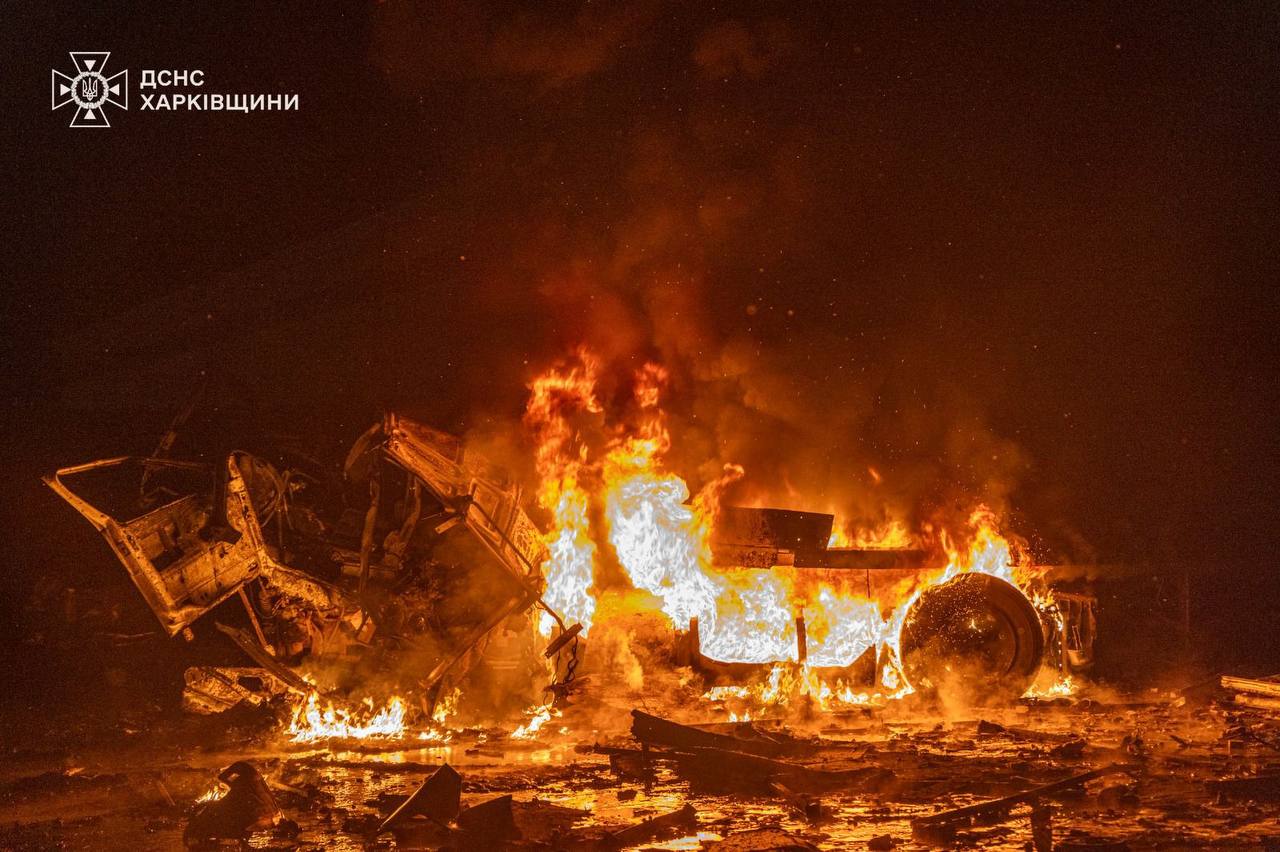
“Last night, the enemy attacked 15 critical infrastructure sites, including energy facilities such as thermal power plants (TPPs) and combined heat and power plants (CHPs) in various regions, as well as other key sites for heat and water supply systems,” the Interfax-Ukraine news agency quotes Kovalchuk as saying.
He noted that the strikes did not impact water supply or sewage services. Nationally, heating remains available in 98.5% of residential buildings and 99% of social institutions.
However, in Kyiv — where recent Russian attacks have been concentrated — 472 out of more than 12,000 buildings were without heat as of 1:00 p.m. on January 13. The affected areas include 197 buildings in the Pecherskyi District, 123 in Shevchenkivskyi, and 71 in the Holosiivskyi District.
Тhere is a complex set of reasons for this. In some buildings, the heating medium was drained, or the pressure was reduced, which largely allowed the networks to be preserved. However, reconnection is now being handled as a full restart of the heating system,” Kovalchuk explained.
He added that all available repair crews are currently working in the affected districts, with additional teams being brought in from other areas to assist.
The deputy minister assessed that, despite the combination of severe weather and concentrated strikes on critical infrastructure, “overall, the situation in the country regarding water and heat remains positive.
Meanwhile, Kyiv Mayor Vitali Klitschko stated that municipal workers are continuing to repair infrastructure damaged by Russian attacks, though the city’s electricity supply remains in a critical state.
“They are working in the cold, 24/7, during and after shelling, to restore heating to the homes of Kyiv residents as quickly as possible,” Klitschko wrote. “I am grateful to all our specialists who are working around the clock under extremely difficult conditions. Heat has already been restored to the majority of buildings, but nearly 500 high-rises are still without heating. Municipal crews continue their work.”
The mayor added that as of 10:15 p.m., the city’s electricity situation remains extremely challenging, noting that energy workers are struggling to restore power.
In his evening address, President of Ukraine Volodymyr Zelenskyy said that for Ukraine, the real and timely fulfillment of all agreements with our partners matters. He emphasized that the PURL initiative requires funding, and the progress made in January has been insufficient.
He expressed gratitude to everyone who supports Ukraine and life.
You may also want to read: How Russian missile strikes crippled Ukraine’s healthcare system – report by Physicians for Human Rights and Truth Hounds
Previously, Ukraine’s National Police reported that as a result of Russian military shelling on January 12, 2026, seven civilians were killed in the Donetsk, Kharkiv, and Kherson regions, while eleven others sustained injuries, including in the Zaporizhzhia, Odesa, and Dnipropetrovsk regions.
Meanwhile, Deputy Head of the Office of the President, Iryna Vereshchuk, during the presentation of the UN Humanitarian Needs and Response Plan for 2026, reported that Ukraine and the United Nations will appeal to donor countries for additional humanitarian funding in response to the crisis caused by Russian shelling of civilian infrastructure.
According to Vereshchuk, the UN plan was developed without fully accounting for the current winter crisis resulting from strikes on Ukraine’s civilian infrastructure and the subsequent lack of electricity, heating, and water supply for millions of Ukrainians, as reported by the Ukrinform news agency.