Morning Russian shelling in Sumy Oblast killed two people and injured others
Russian forces killed two people and injured others when they launched a missile strike on the Pishchanske District of the Sumy hromada – a local government area that includes one or more nearby settlements – on the morning of August 5, 2025, according to Oleh Hryhorov, head of Sumy Oblast Military Administration.
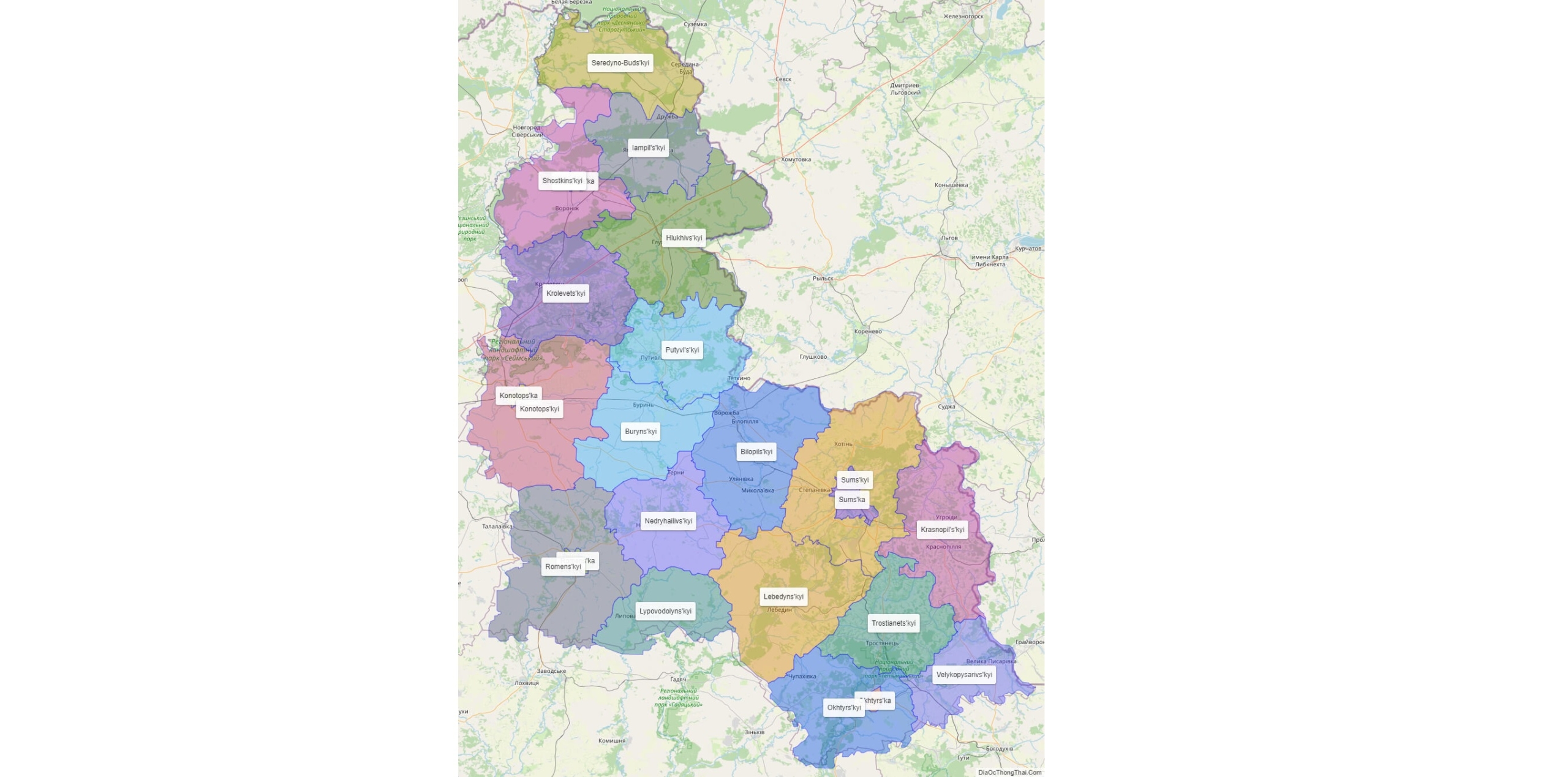
The strike reportedly targeted a local agricultural facility.
“Early reports show that the strike killed two people. The attack injured others, and they are receiving medical assistance,” Hryhorov stated.
Emergency services are currently working at the scene. Search and rescue teams are conducting an ongoing operation.
Hryhorov reported that in total, 23 people were killed and more than 140 were injured in the Sumy Oblast during the month of July as a result of attacks by the Russian army.
Authorities identified a total of 2,700 enemy attacks in the Oblast throughout July. The attacks included more than 800 strikes with guided aerial bombs, over 250 strikes by attack UAVs, and 52 missile strikes.
Earlier, Bohdan Bernatskyy, a member of the Sanctions Policy Working Group of the Crimean Platform Expert Network, revealed at the Third Parliamentary Summit in Latvia that over 1,300 Russian military companies and 2 million industrial workers continue to operate, many without international restrictions.
As is known, including China, North Korea, India, and Brazil, assist Moscow in killing citizens of Ukraine in Russia’s war, including funding the Russian budget through trade.
The European Union intends to push for sanctions against China over its support for Russia in the war against Ukraine. An unnamed EU diplomat, in comments to a Politico journalist, said that the EU made this move following a July report by Reuters, which revealed that Russia had secretly obtained Chinese engines for drones.
Companies reportedly shipped the engines to Russia via front companies under the label of “industrial refrigeration units” to circumvent Western sanctions.
The report raised an alarm in Brussels. Fifteen EU member states contacted Beijing about the deliveries, but China either denied involvement or refused to respond.
Previously, Reuters reported that Russian energy giant Gazprom’s average daily natural gas supplies to Europe increased by 37% in July from a month earlier, when maintenance work reduced them.
Reuters also reported that a top aide to President Donald Trump on Sunday accused India of effectively financing Russia’s war in Ukraine by purchasing oil from Moscow, after the U.S. leader escalated pressure on New Delhi to stop buying Russian oil.
Meanwhile, U.S. President Donald Trump stated on his social media platform Truth Social that he plans to significantly increase tariffs on imports from India due to its active trade in Russian oil.

He said that India “is not only buying massive amounts of Russian oil”, but also selling it on the open market for big profits.
“They don’t care how many people in Ukraine are being killed by the Russian war machine. Because of this, I will be substantially raising the tariff paid by India to the USA,” the President stated.
India has become the world’s largest buyer of seaborne Russian oil, purchasing it at a discount and boosting its imports from almost zero to about a third of its total oil imports.
U.S. Ambassador to NATO Matthew Whitaker said that implementing secondary sanctions against countries that purchase Russian oil is an “obvious step” toward ending the war unleashed by Russia against Ukraine.
“Secondary sanctions and tariffs against those that are paying for this war — like China, India, and Brazil — by buying the oil that Russia is producing, is an obvious next step to try and bring this war to an end,” Matt Whitaker, the US ambassador to NATO, told Bloomberg Television. “This is really going to hit them where it counts, and that is in their main revenue source, which is the sale of oil to these countries.”