Russian forces carried out another massive attack on Ukraine: two killed and dozens injured
On the night of November 8, 2025, Russian forces launched a massive attack on a number of Ukrainian cities, using Kinzhal aeroballistic missiles, Kalibr cruise missiles, ballistic missiles, and drones. The strikes killed at least two people, wounded dozens, and destroyed residential buildings and energy infrastructure facilities, according to the State Emergency Service (DSNS) and local Oblast Military Administrations.
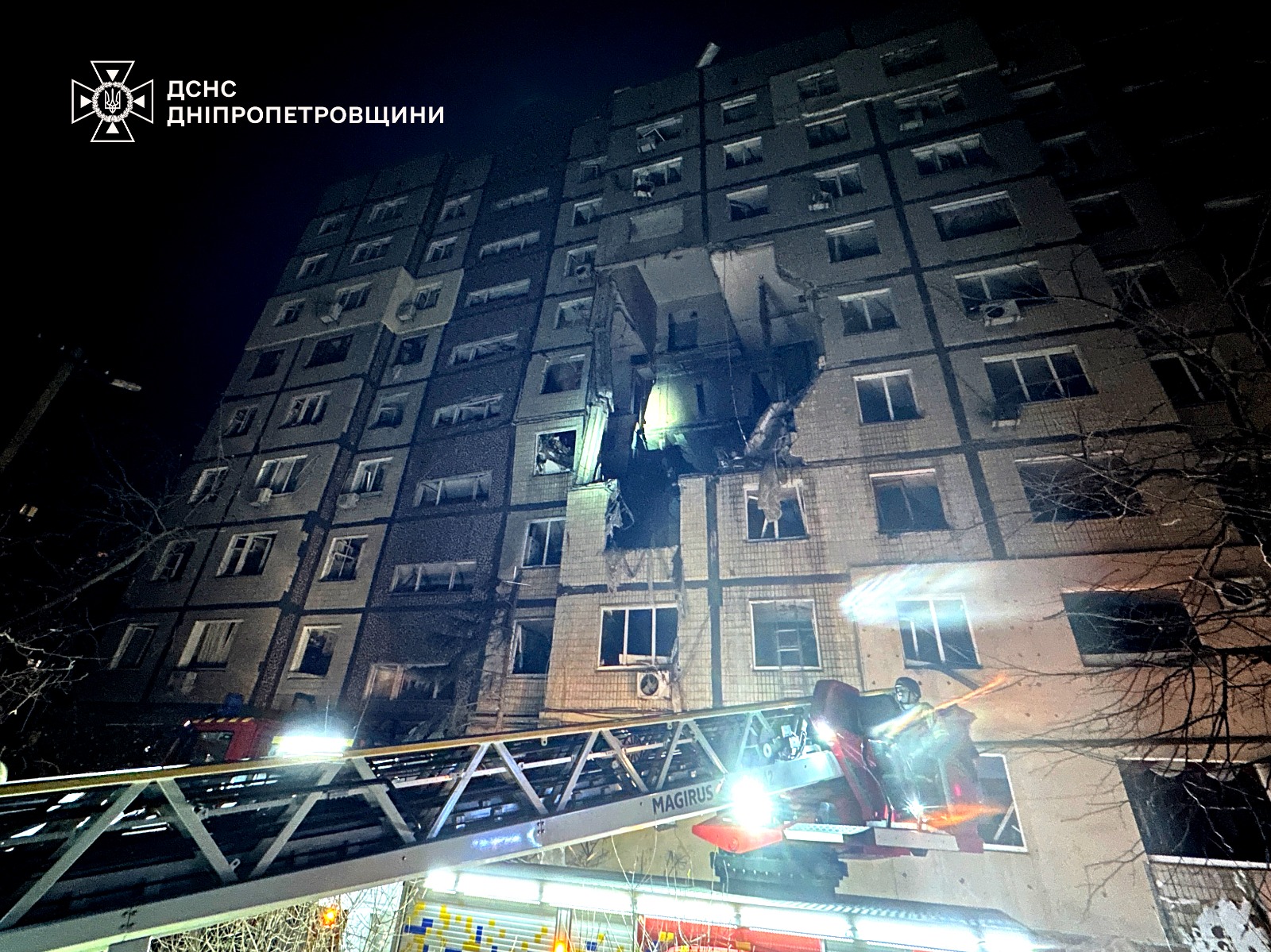 Damage from the Russian attack on Dnipro
Russians repeatedly attacked Ukrainian territory from various directions overnight. Energy facilities were once again the enemy’s main target. Energy Minister Svitlana Hrynchuk stated that emergency power cuts have been implemented in several regions due to damaged infrastructure. Repair crews and rescuers will begin clearing the damage immediately after the security situation stabilizes, after which the power supply will be restored.
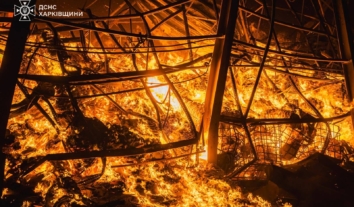
The Centrenergo press service reported that Russians launched the most massive strike on a Centrenergo Thermal Power Plant (TPP) since the start of the war.
“We have stopped… Currently, the generation is zero. Zero! We have completely lost what we were restoring around the clock,” the company stated.
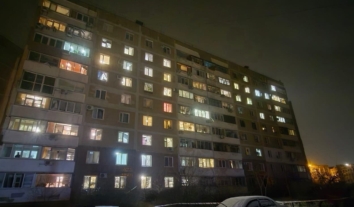
The city of Dnipro sustained the most devastating consequences, where an attack drone hit a nine-story residential building. According to the SES data, several floors in two sections of the building were destroyed, causing a large-scale fire. Rescuers saved 28 people, including five children.
One woman was killed, and 11 people were wounded. Six of the wounded, including a 13-year-old girl, were hospitalized in moderate condition, according to Vladyslav Haivanenko, head of the Oblast Military Administration.
The infrastructure in the city was also damaged.
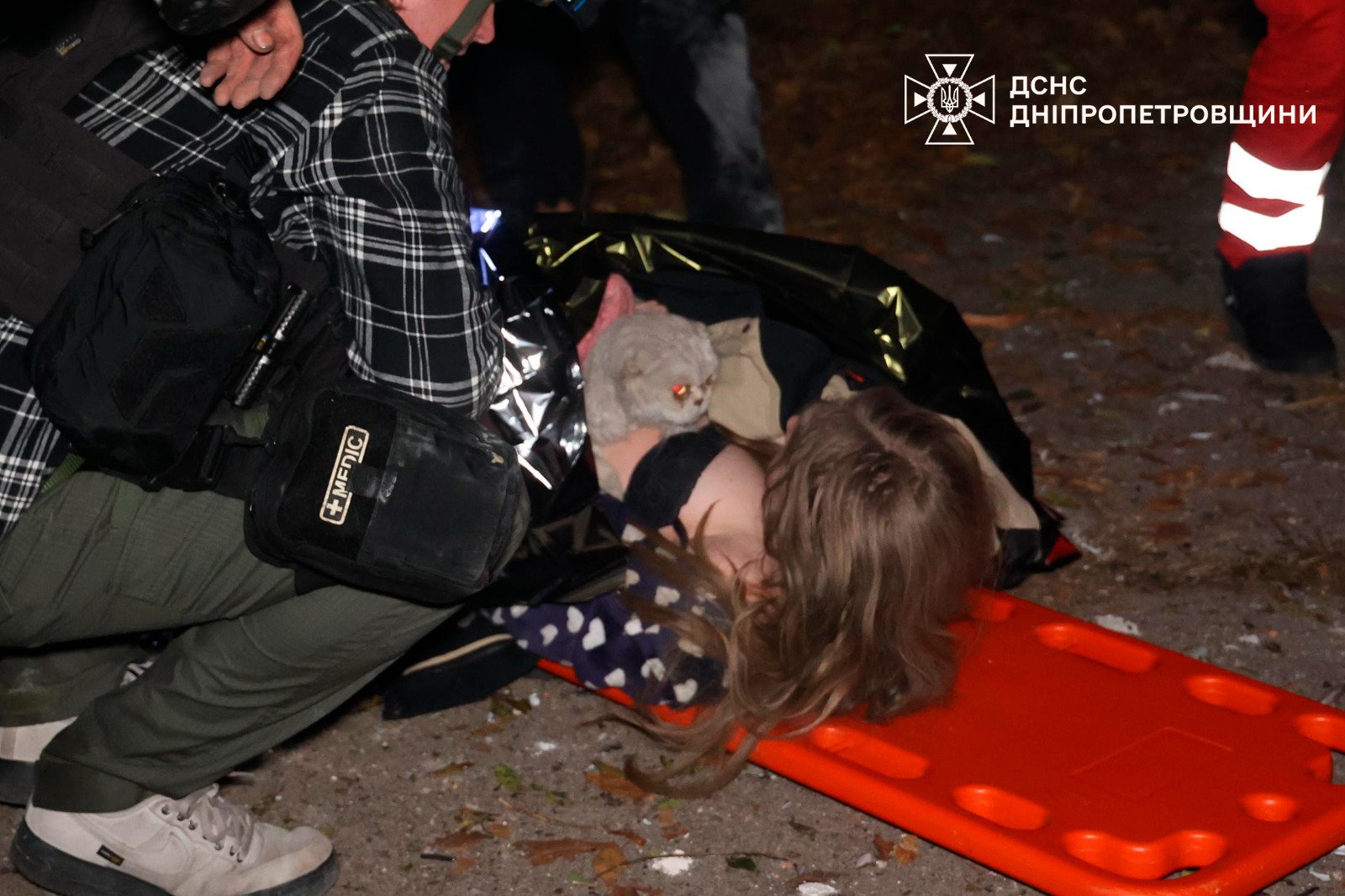 Consequences of the Russian attack on Dnipro
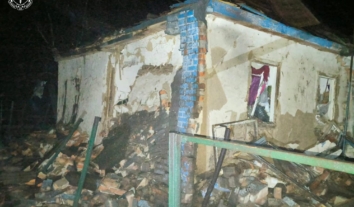
Explosions were also reported in the Dnipropetrovsk region. Three people were wounded in the Samarivskyi District, one of whom was hospitalized. An industrial enterprise was damaged in Pavlohrad. Infrastructure was destroyed and cars were damaged in the Synelnykivskyi District. Russian forces shelled the Nikopolske district with FPV drones and artillery.
In Kyiv, drones attacked the Pecherskyi District. The State Emergency Service clarified that rescuers responded to calls twice: in one case, four cargo trucks and two buildings were on fire. A fire caused by drone debris was extinguished before units arrived. No casualties were reported in the capital.
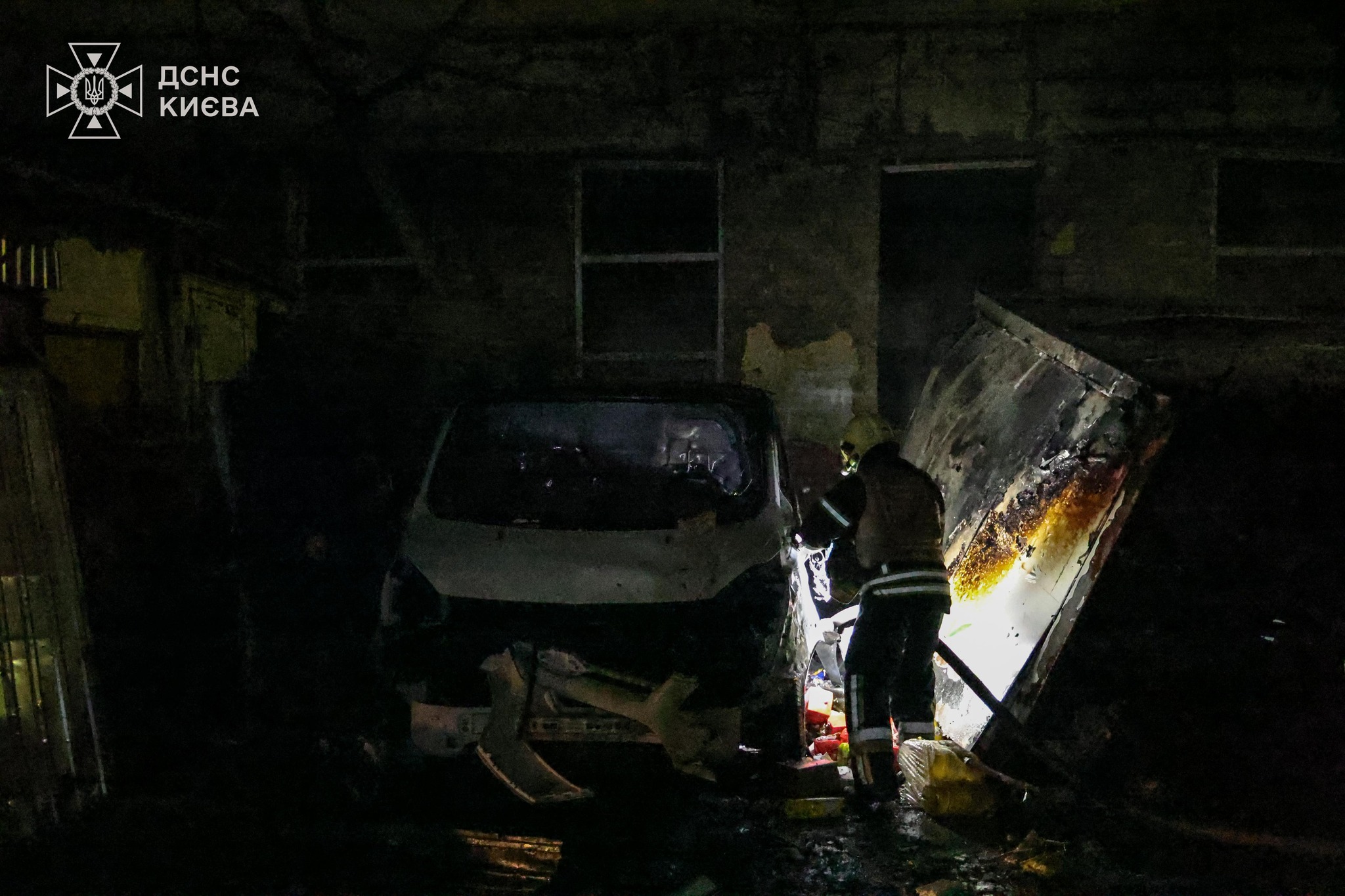 Damage from the Russian attack on Kyiv
The Russian occupiers also attacked the Kharkiv Oblast overnight. According to Oleh Syniehubov, head of the Oblast Military Administration, a series of explosions was heard in the suburbs of Kharkiv — preliminarily attributed to missile strikes. In the Pisochyn hromada – a local government area that includes one or more nearby settlements, a gas station, and several cars were damaged, and eight people were injured. Due to power supply issues, the Kharkiv subway is temporarily not operating normally and is being used as a shelter.
An employee of an energy enterprise was killed while at work in the Kharkiv Oblast in a Russian attack on critical infrastructure, according to the Kharkiv Oblast Military Administration.
The Poltava Oblast also came under attack from Russian drones and missiles. Energy infrastructure facilities in Horishni Plavni sustained significant destruction, potentially causing prolonged power outages, the city council reported.
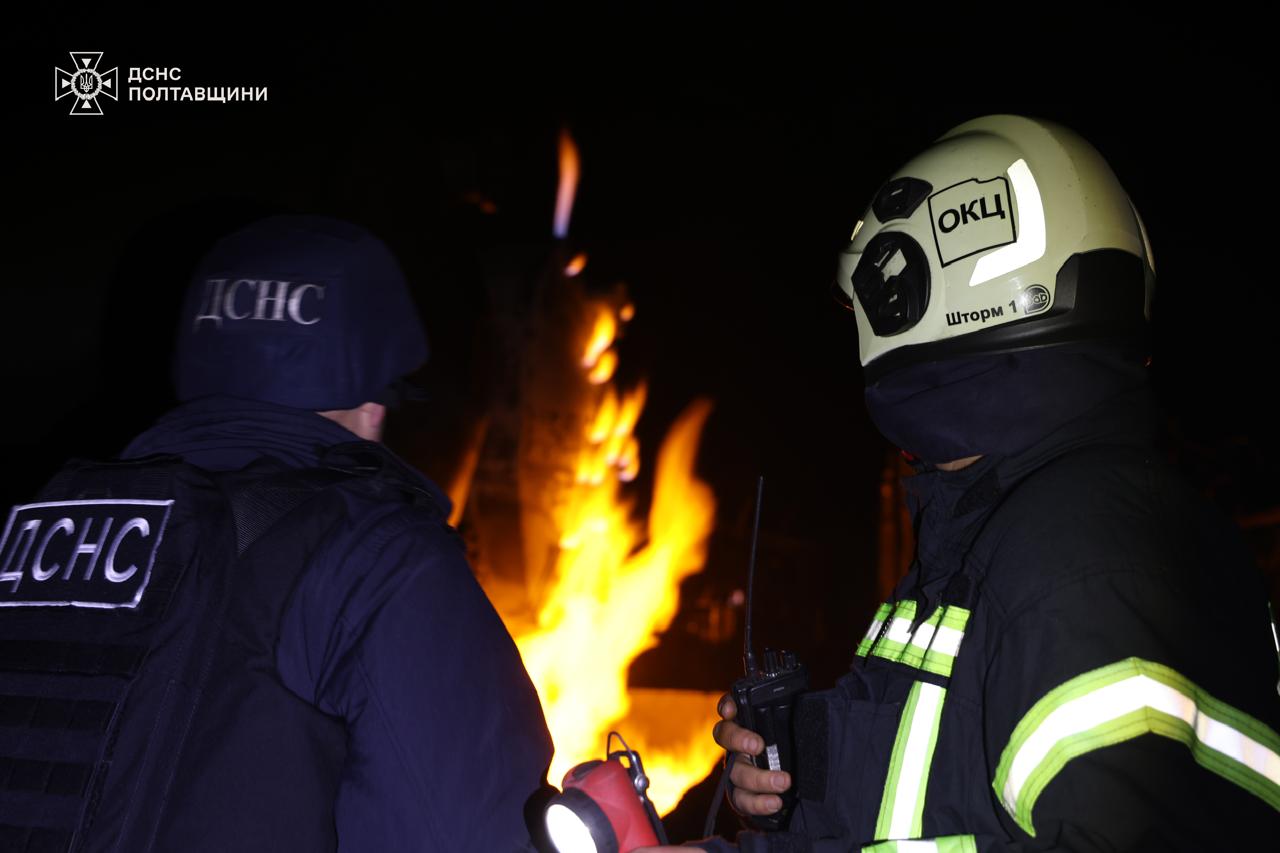 Aftermath of the Russian attack on the Poltava region.
Russians struck energy facilities in the Poltava region, wounding one person. Kremenchuk is without electricity and water supply, and partially without heat. Water delivery for the population has been organized, and extra buses have been introduced on routes instead of electric transport. Rescue services are working to mitigate the consequences of the shelling, while power workers are gradually restoring the networks. Authorities assure that the energy system situation is under control.
As of November 7, Russian strikes on energy infrastructure have resulted in damage in the Odesa, Kharkiv, Dnipropetrovsk, and Zaporizhzhia regions, and power supply problems are affecting the majority of these regions.
Meanwhile, Euronews, citing its sources, reported that a technical meeting between the European Commission and Belgium on November 7 did not yield a breakthrough on how to utilize the frozen assets of the aggressor state to support Ukraine.
Sources in the Belgian government told Euronews that their concern is growing over the lack of alternative proposals from the European Commission on deploying the frozen assets for Ukraine’s financing. One source said it is essential that “every possible approach is examined with rigor and transparency, to ensure the best solution”, adding they had not yet seen such options.
The same source said that Belgium is “not yet frustrated” by the absence of other proposals from the Commission, “but the clock is ticking and we remain constructive.”
Another Euronews source said the EU still hopes to reach an agreement with Belgium, while acknowledging that time is short.
The Commission put forward a plan that allows EU governments to channel up to €185 billion – the bulk of Russia’s sovereign assets currently frozen in Europe – to Ukraine without confiscating them. However, approval has stalled due to Belgian concerns, as most of these assets are located on its territory.
Earlier, President Volodymyr Zelenskyy called for a decision on using frozen Russian assets to benefit Kyiv.
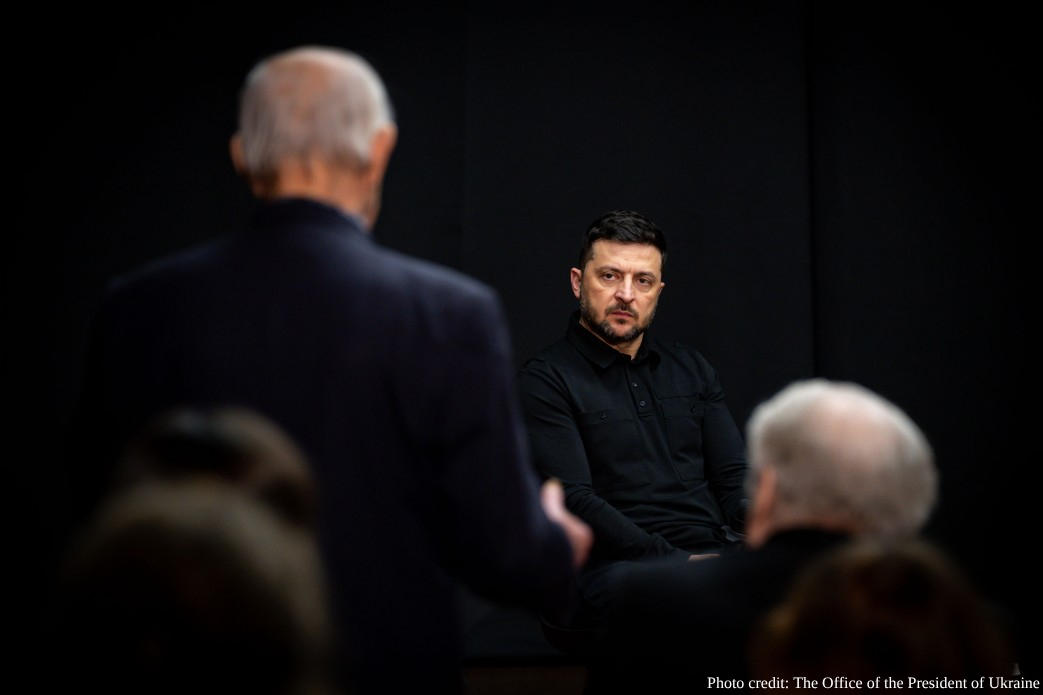 Volodymyr Zelenskyy
“The fact that Russians continue to strike energy and civilian infrastructure once again shows that the current pressure is insufficient. It is very important that America, Europe, and the G7 continue sanctions and tariff work on Russian energy resource trade and finances,” he stressed.
He said that the time has come to make a decision regarding Russian frozen assets.