Seven civilians killed in wave of Russian strikes across Kyiv (updated)
At least seven people were killed and 35 more injured in a wave of Russian drone and missile strikes on Ukraine’s capital, Kyiv, according to local officials.
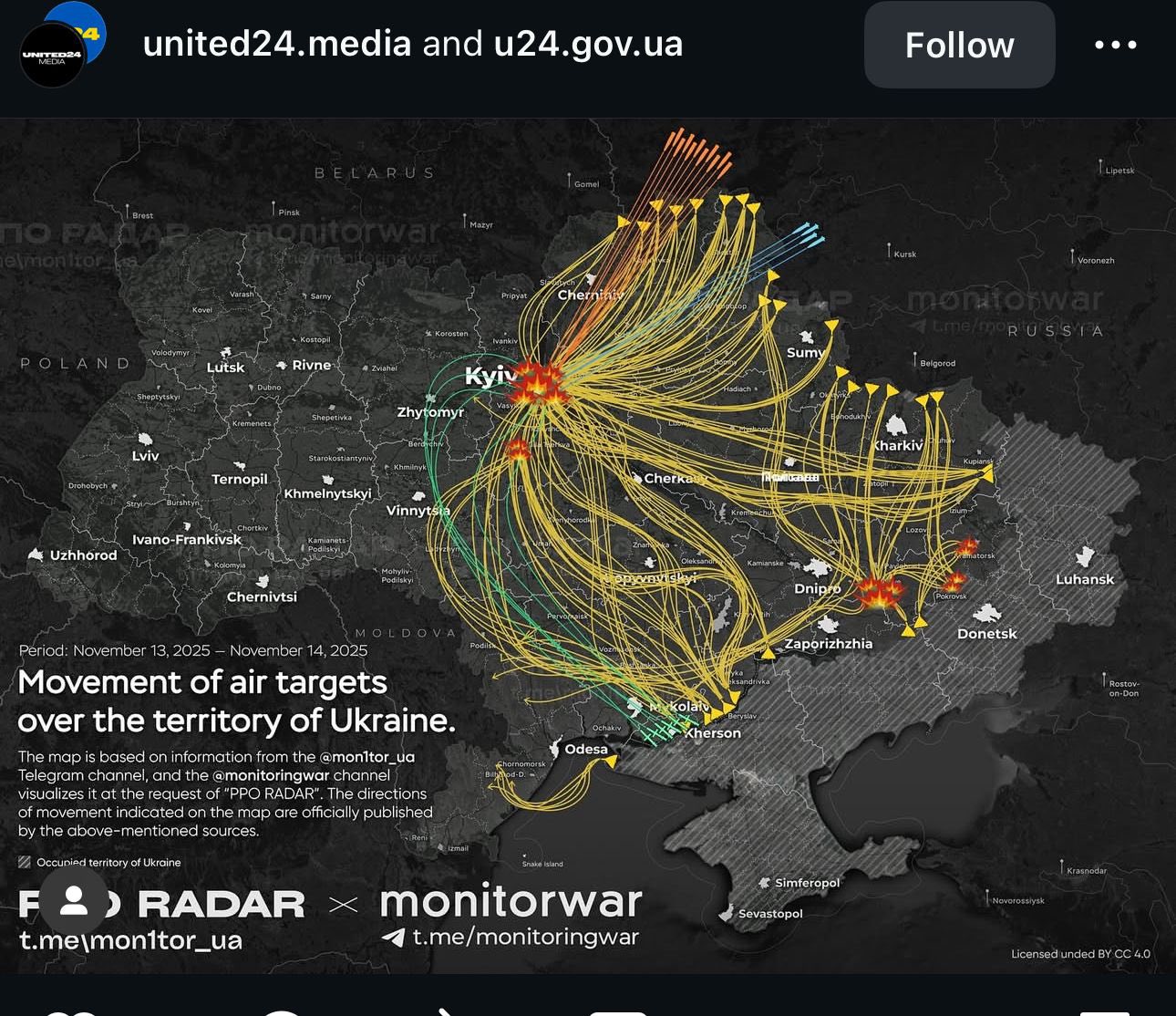
Condemning the strikes as vile and calculated, he said about 430 drones and 18 missiles had been launched and dozens of high-rise buildings damaged.
Kyiv’s energy infrastructure was badly hit, leaving some buildings in the capital without heat, officials reported.
Ukraine’s air force said several other regions across the country were also targeted.
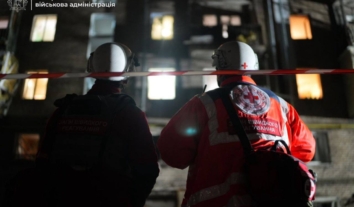
BBC News reported that falling debris and fires have damaged multiple high-rise apartment buildings, a hospital, a school, and administrative buildings, according to emergency services.
In total, Russians damaged twenty-seven residential buildings in the Desnianskyi, Dniprovskyi, Sviatoshynskyi, Podilskyi, Solomianskyi, and Shevchenkivskyi districts.
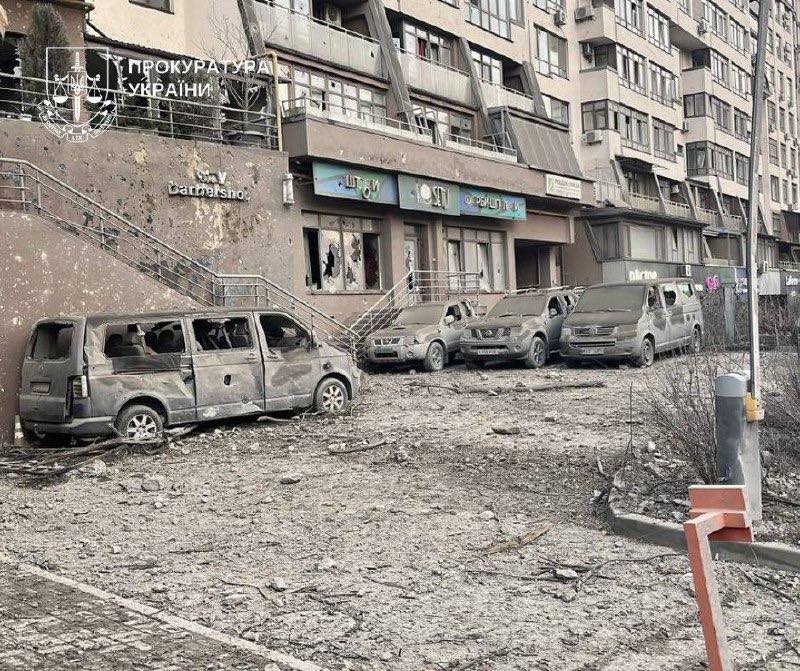
More than 40 people were rescued, they added, including 14 from a fire in a residential building in the Desnayanskyi District, where one person died. Among the injured are two children aged 7 and 10.
Among the surviving residents is 10-year-old Vacheslav.
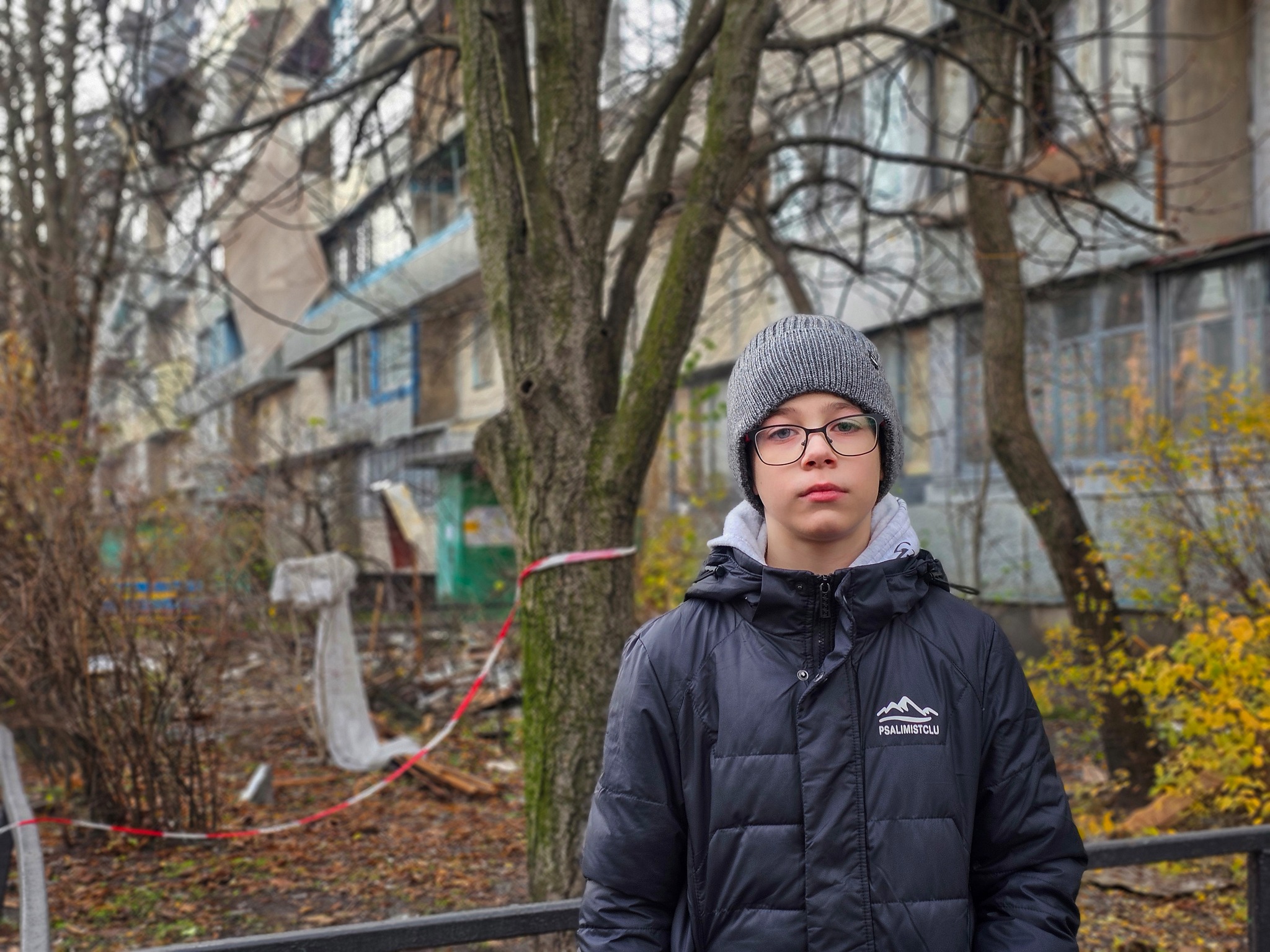
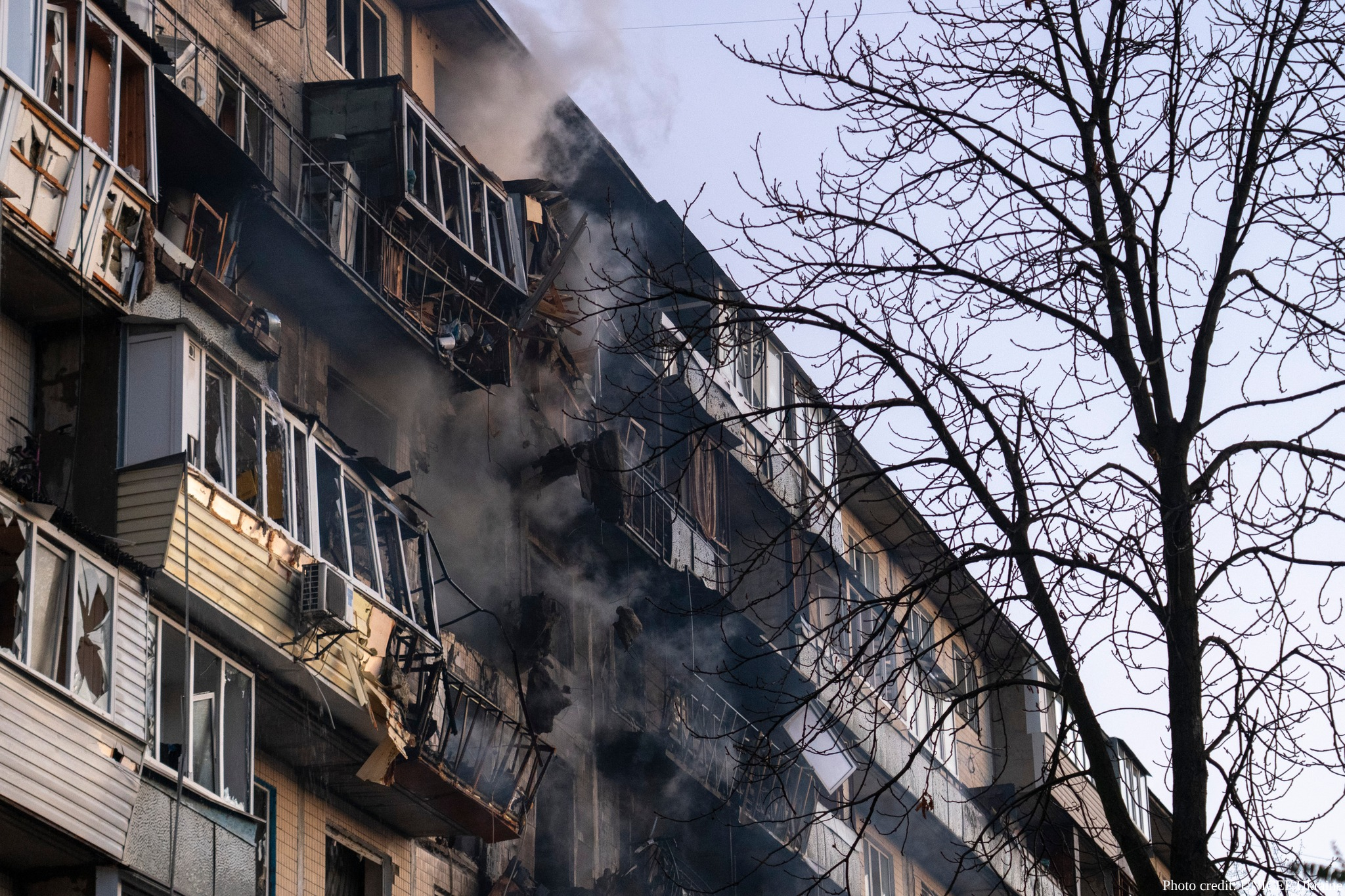
The boy was supposed to go to school for lessons today, but is instead waiting until it is safe to enter his home to check the condition of his belongings.
“My computer is probably soaked with water, and I don’t know if I can study now,” he said, hugging his mother.
“Our neighbors died. Our dog got scared. We couldn’t find the cat, and I was worried about her,” Vacheslav shared with UNICEF Ukraine while waiting with his parents for the rescue operation to conclude near the entrance of their building.
Another person was rescued in the building after being pulled from beneath rubble, local authorities said.
Medical teams were deployed to all fires, officials said, while Klitschko stated that nine people were being treated in the hospital, with one man in an “extremely serious condition.”
Later, a 24/7 national joint broadcast reported that Nataliya Khodymchuk, 73, had died in hospital, where doctors tried to save her life, after a Russian attack on Kyiv. She was the wife of the worker who became the first victim of the 1986 Chornobyl Nuclear Power Plant disaster.
Journalist Tamara Khrushch previously reported that her husband, Valeriy Khodymchuk, died during the 1986 catastrophe, and his body remained under the ruins of the 4th power unit. Following the tragedy, Nataliya moved from Prypiat to Kyiv’s Troyeshchyna District.
 Nataliya Khodymchuk
In Kyiv, Nataliya Khodymchuk lived in a residential building where apartments were provided, specifically to liquidators and the relatives of those who died as a result of the Chornobyl NPP disaster.
Parts of the Ukrainian capital’s heating network were also damaged in the attack, the mayor noted, adding that the city’s electricity and water supplies may have been disrupted.
The Minister of Internal Affairs, Ihor Klymenko, reported on a 35-year-old rescuer from Kyiv, Serhiy Vlasenko, whose apartment was destroyed by a Russian strike. He has 15 years of service and is a shift commander, having extinguished hundreds of fires and rescued people in the most challenging conditions.
Serhiy was on duty last night when a Russian drone hit the apartment building where he lived with his family. His mother, wife, 5-year-old son and 8-month-old daughter were at home. They managed to take cover after hearing the air raid siren, which saved their lives.
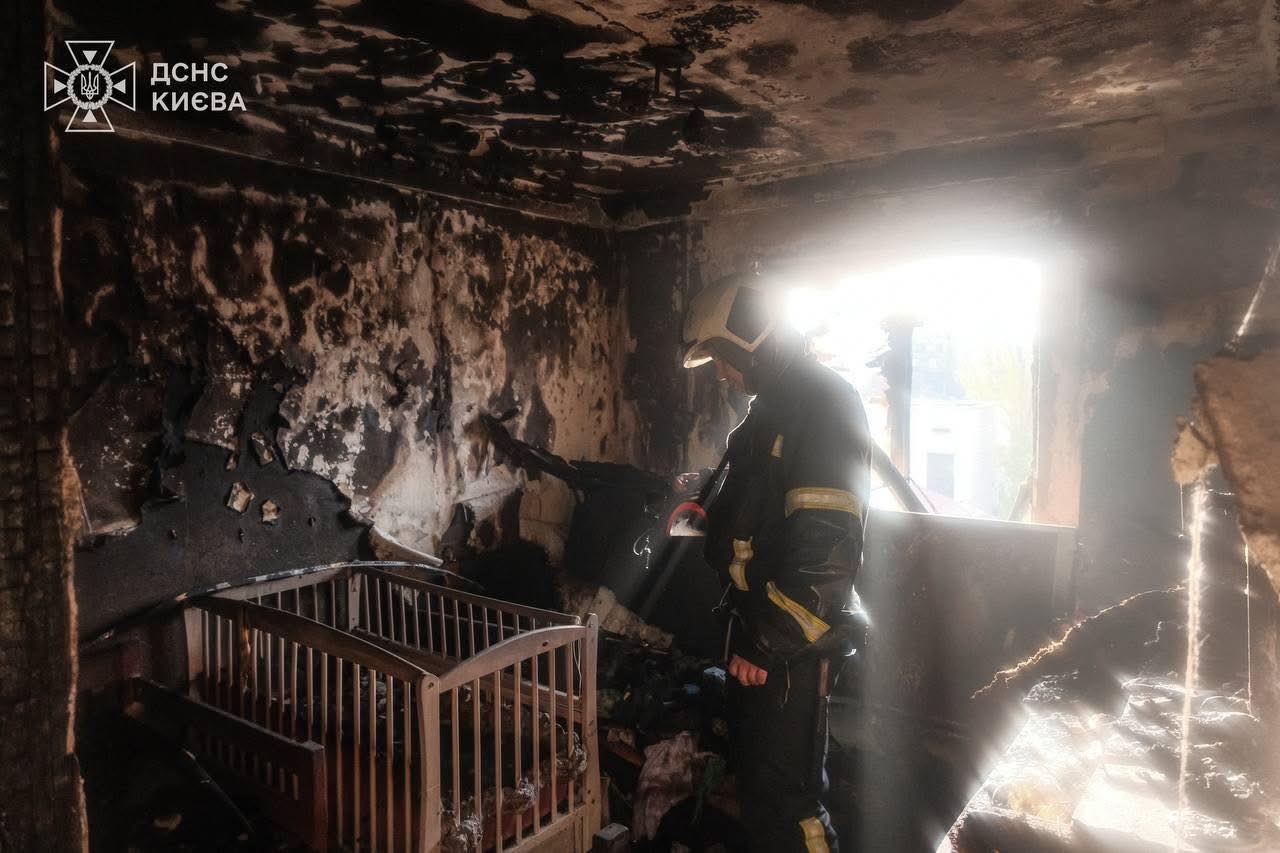
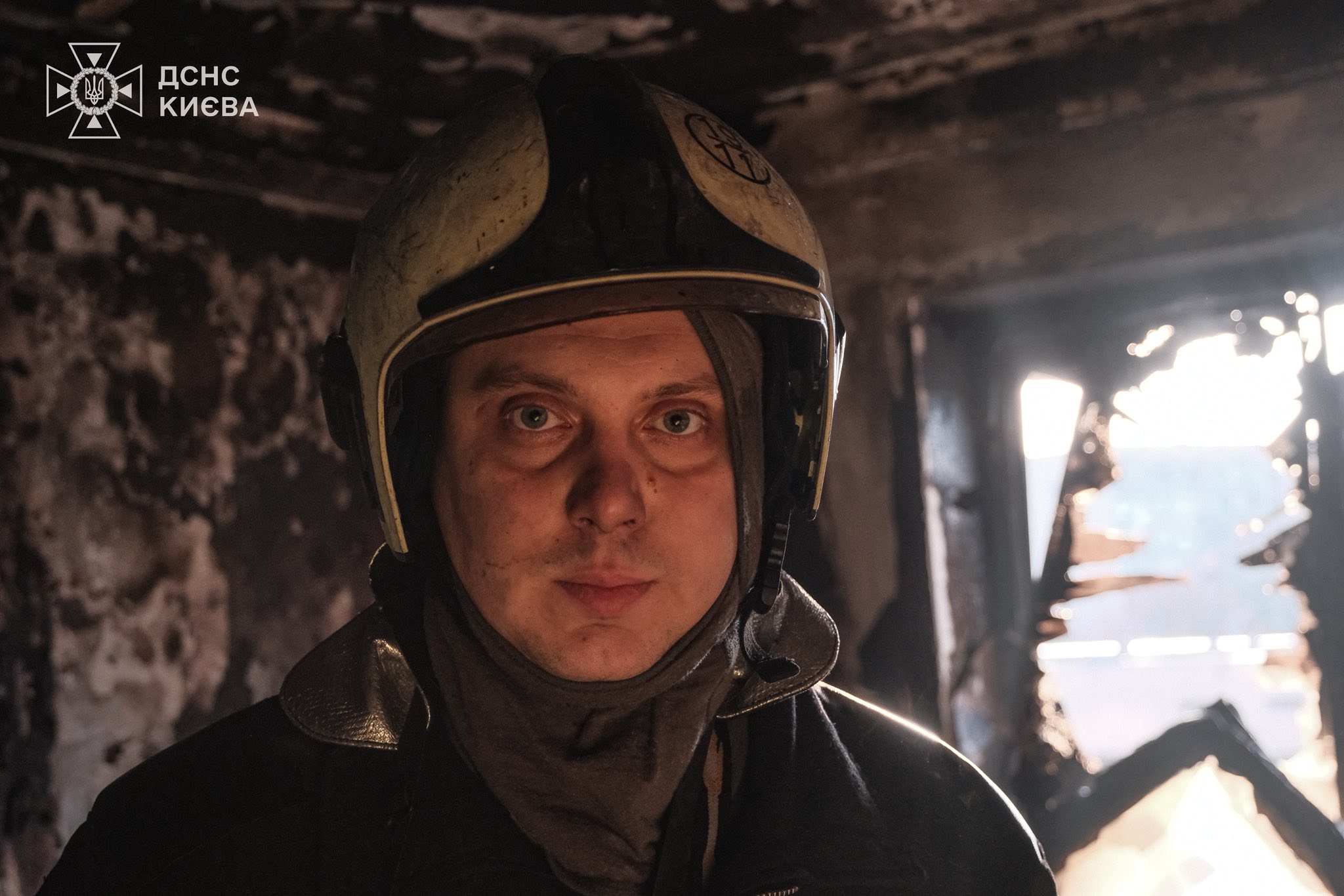
“When rescuers arrived, Serhiy saw that his own apartment was on fire. He continued his work — extinguishing the flames that engulfed his home and dismantling the damaged structure to reach his children’s room. This was a difficult test, but he endured it with the same professionalism and clarity as every ‘combat’ shift,” Klymenko said.
Ukraine’s air force warned that drones and guided bombs had been targeting several other regions, including Sumy.
Oleh Kiper, head of the Odesa Oblast Military Administration, reported that Russian forces carried out a strike with kamikaze drones on a local market in Chornomorsk, the Odesa Oblast, on the morning of November 14, killing two people and injuring seven others.
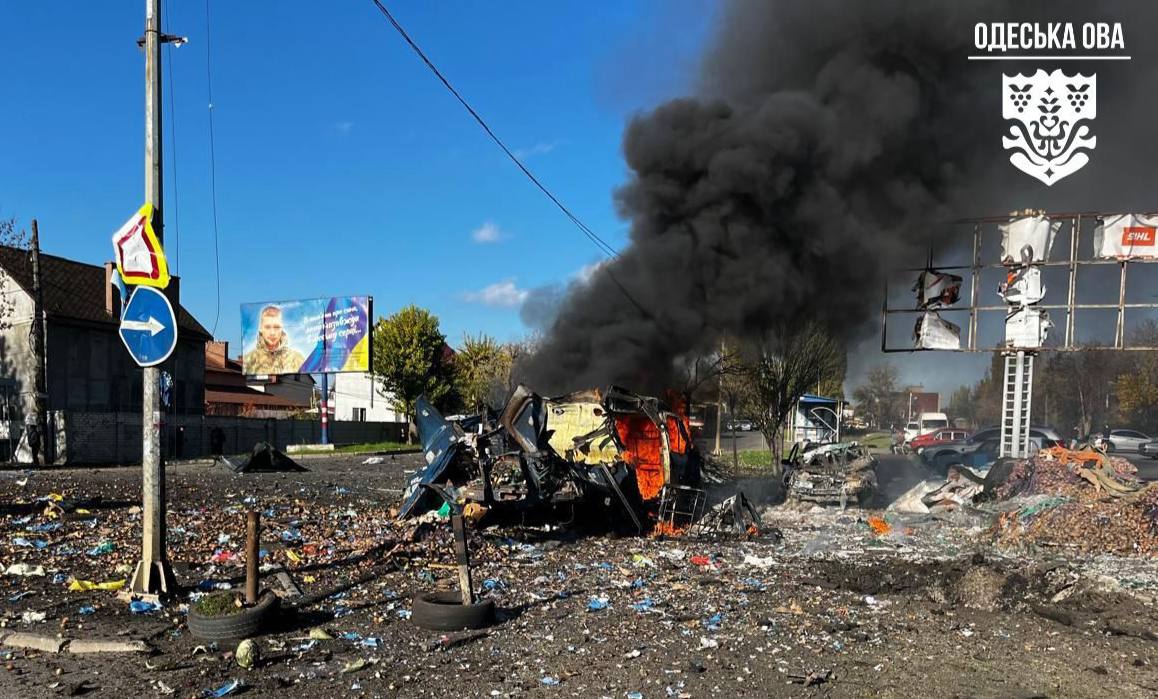
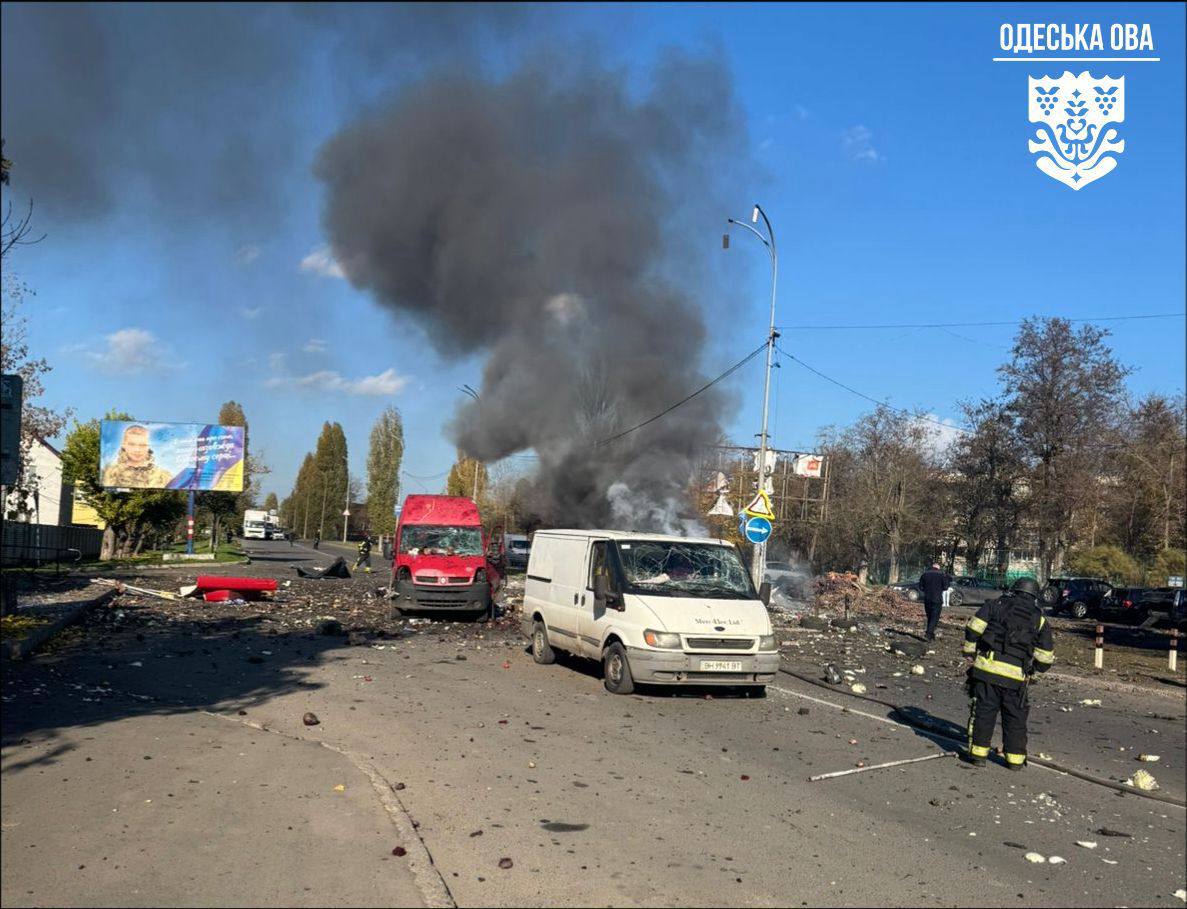
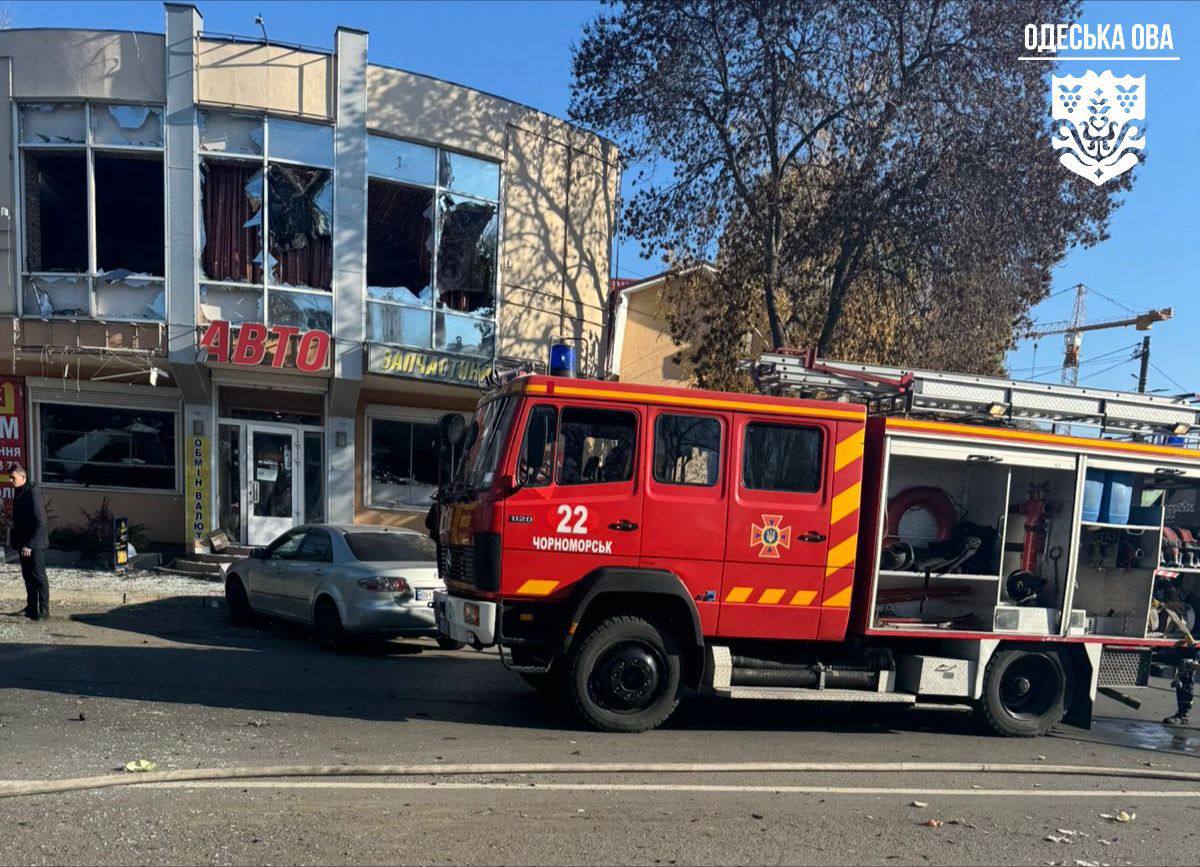
“Early reports indicate that two people have been killed and seven more injured, some of them in serious condition,” he stated.
The strike also damaged the town square, the facades of shops and vehicles, and the blast wave shattered windows in a nearby college.
Those attacks prompted President Zelensky to call for “no exceptions” to Western sanctions on Russian energy — shortly after the US granted Hungary one such exemption.
US President Donald Trump had initially announced the sanctions on Russian oil after saying ceasefire talks with Russian President Vladimir Putin were not progressing.
Earlier, Bohdan Bernatskyy, a member of the Sanctions Policy Working Group of the Crimean Platform Expert Network, revealed at the Third Parliamentary Summit in Latvia that over 1,300 Russian military companies and 2 million industrial workers continue to operate, many without international restrictions.
Ukraine urges the international community to unite to restore global security under the UN Charter and strengthen sanctions against Russia to enforce compliance with international law. Following Russia’s initial invasion in 2014, Ukraine has pursued the liberation of its territories within its internationally recognized 1991 borders while developing comprehensive reintegration strategies and policies for all liberated areas.
Previously, CORRECTIV journalists have determined that vehicles from German companies were supplied to the sanctioned Russian enterprise Uralkali, one of the world’s largest fertilizer producers, via Uzbekistan.
According to the CORRECTIV investigation, several supplies from the Köppern mechanical engineering plant in 2023 likely reached the Russian company Uralkali, one of the world’s largest fertilizer producers. Trade data suggests a scheme through which Uralkali could secure machinery and equipment parts from Köppern and other German manufacturers.
The scheme allegedly allowed goods worth tens of millions of euros to travel from Germany to Russia via Uzbekistan. Uralkali was a long-time client of the Köppern plant.
The total amount may be much larger, as customs data is incomplete. In any case, the data show that until March of this year, Uralkali purchased parts from the Uzbek importing company, which originated from other German manufacturers that are suppliers to the Köppern plant.