Casualties rise in March 4 Russian strike on Odesa region as injured man dies in hospital
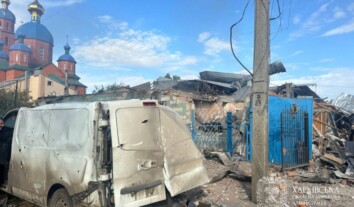
A 62-year-old man has died in the hospital from injuries sustained during a Russian military strike on the Odesa region on the afternoon of March 4, 2026. The death was confirmed by officials from the Regional Military Administration.
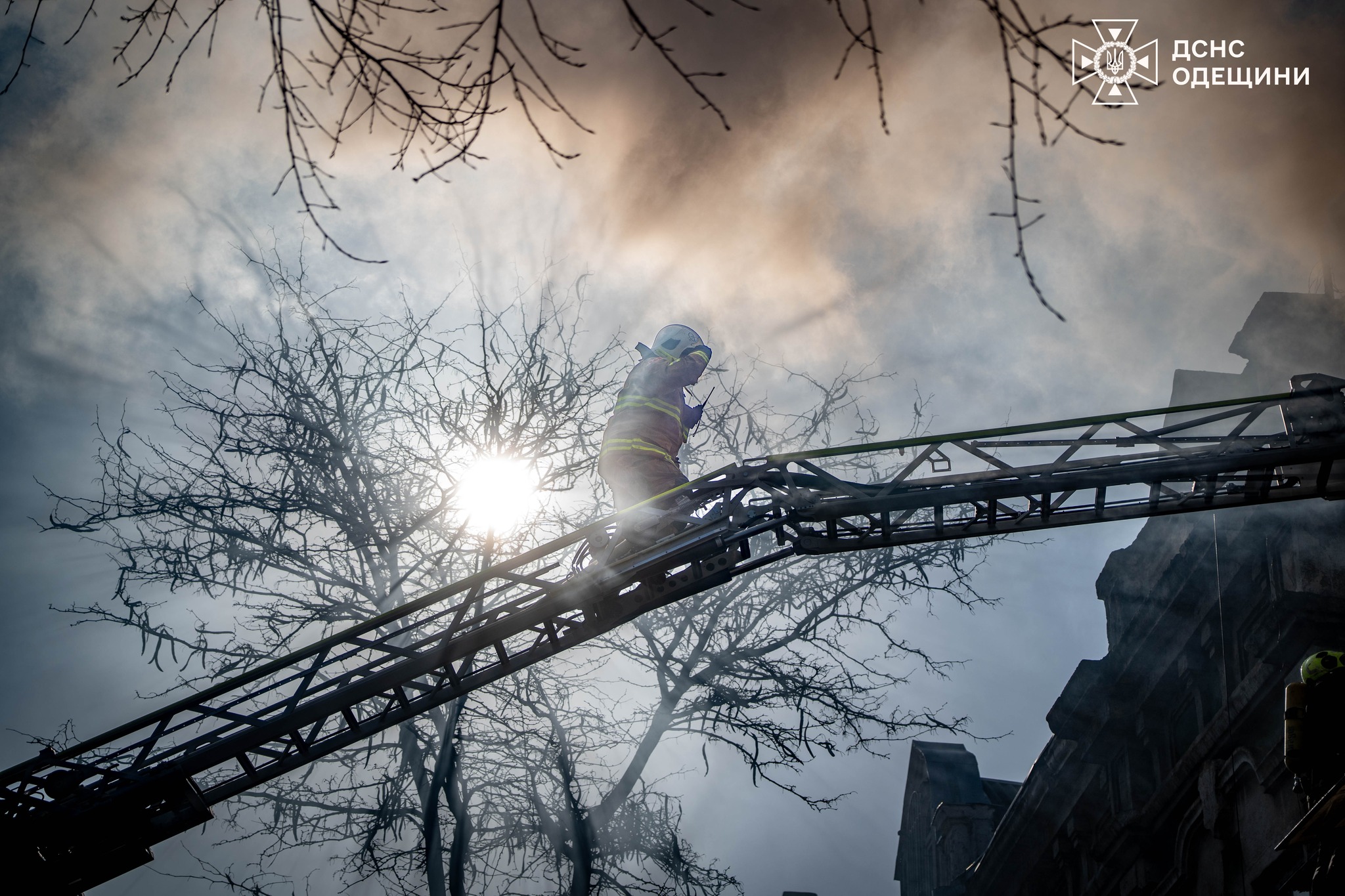 Illustrative photo of rescue workers operating in the Odesa Oblast
Russian forces launched a combined missile and drone attack on the southern part of the Odesa Oblast on the afternoon of March 4.
The strike injured two adult men and two children. One of the men, a railway worker who was at home at the time of the attack, died in the hospital on March 6. Medical staff had described his condition as critical from the outset and fought for several days to save his life.
The other victims were reported to be in moderate condition. The Oblast Military Administration has not provided a recent update on its current status.
According to United Nations estimates, Russian forces have killed more than 15,000 civilians in Ukraine during the four years of the full-scale war.
Meanwhile, Ukraine’s Defense Intelligence (DIU) has released updated data on the War&Sanctions portal regarding the supply chain for the Russian “Orion” drone, as well as foreign components found in the Iranian “Shahed-107” and the Russian “Phoenix.”
The Orion, also known as the Inokhodets, is a strike-and-reconnaissance drone manufactured by the sanctioned Russian Group of Companies Kronshtadt. Ukrainian intelligence previously released an interactive 3D model of the drone, along with a list of manufacturing partners.
The database now includes an additional 19 companies involved in producing components for anti-icing and fuel systems, flight and navigation equipment, and radio-electronic elements for command and information interaction. This brings the total number of enterprises linked to the production of the Orion drone to 70.
Furthermore, the DIU identified 30 electronic components found in the Iranian-made Shahed-107 drone and the QIR50T-Pro gyro-stabilized optical-electronic system used in the Russian “Phoenix” reconnaissance drone.
“Recent events in the Middle East demonstrate that the weaponry Russia uses against Ukraine today poses a threat of terror and strikes against civilian infrastructure in other regions of the world,” the DIU stated. “The publication of such data aims to consolidate international efforts to counter the proliferation and use of these weapon systems.”
The Times reported that Russian-made components have been found in a kamikaze drone that recently attacked a British airbase in Cyprus. An Iranian drone struck the UK military base in Akrotiri in Cyprus on March 1. The drone reportedly contained a Russian-made Kometa-B navigation system, which was first detected in drones intercepted by Ukrainian air defense forces in December.