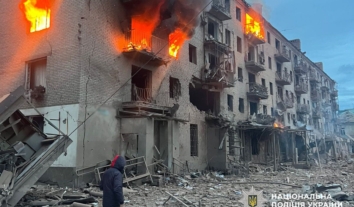
Drone arms race intensifies in Asia-Pacific while international law falls by the wayside
When Myanmar’s military jams a resistance drone’s signal, the aircraft doesn’t simply fall from the sky — it crashes into homes, schools, and markets, killing the civilians it was never meant to target. This grim reality defines Myanmar’s civil war, where more than 4,700 drone strikes since 2021 have made the country the Asia-Pacific’s most intensive drone battlefield.
Myanmar’s escalating drone warfare has exposed a dangerous pattern across the Asia Pacific region: nations are racing to develop drone capabilities and air defense systems while making little effort to uphold international humanitarian law.
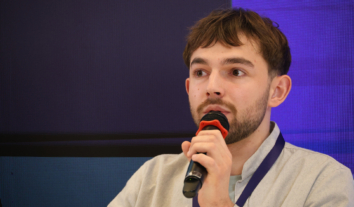
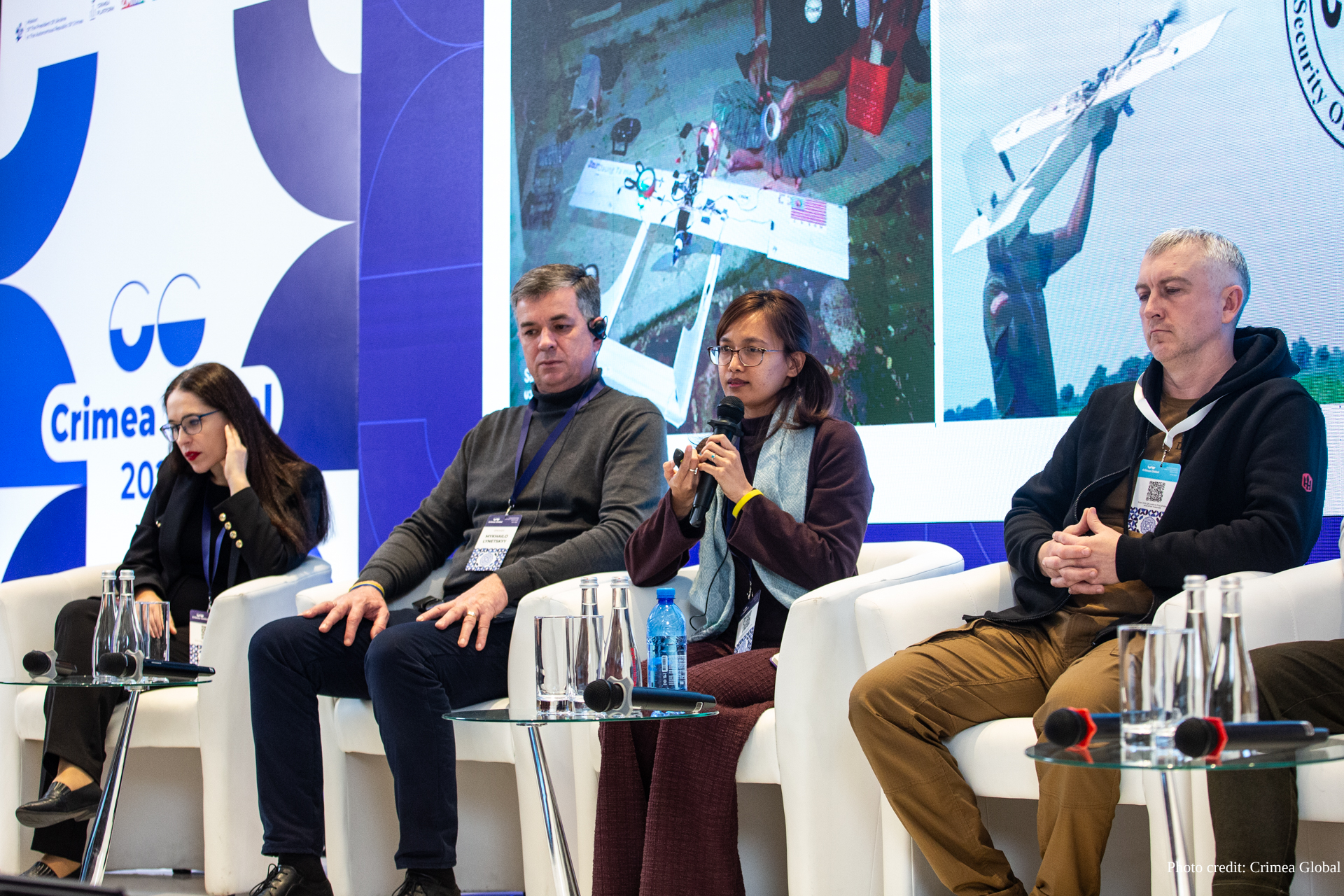
Su Mon Thant, Asia-Pacific Senior Analyst at ACLEDі is an independent, impartial global monitor that collects, analyses, and maps data on conflict and protest pointed out at the Third international conference Crimea Global that as the Myanmar military deliberately targets civilians at weddings, religious ceremonies, and churches to terrorize populations and undermine resistance forces, the international community’s failure to act signals a broader crisis in controlling drone proliferation and protecting civilian lives.
Su Mon Thant participated in a panel discussion, “Black Mirror series we live in. Drone safari and other modern means of war against civilians,” at the conference. The purpose of this panel is to analyse what new technologies are used against the civilian population in Ukraine and worldwide. The so-called “drone safari”, used by the Russian Federation as a tactic of waging the war against civilians, is a result of the rapidly developing battlefield technologies. It has been highlighted in several reports of the UN Independent International Commission of Inquiry on Ukraine, as well as in the international press.
ZMINA has recorded her speech during the conference.

First, I would like to explain what ACLED is. ACLED is an independent, impartial conflict monitor providing real-time data and analysis on violent conflict and protest in all countries and territories across the world. We collect information in over 100 local languages and from over 5,000 sources. ACLED has recorded over 1.5 million events from every country in the world. We produce real-time data, used by journalists, academics, humanitarian, peace, and policy-making organizations. We have a clear, transparent methodology that allows us to compare different conflicts, for example, Ukraine and Myanmar.
ACLED has recorded 4,700 drone-related events in Myanmar, followed by Pakistan, Afghanistan, India, and Indonesia. These attacks stem primarily from armed resistance against state forces and, on some occasions, state-on-state conflicts like Pakistan and India.
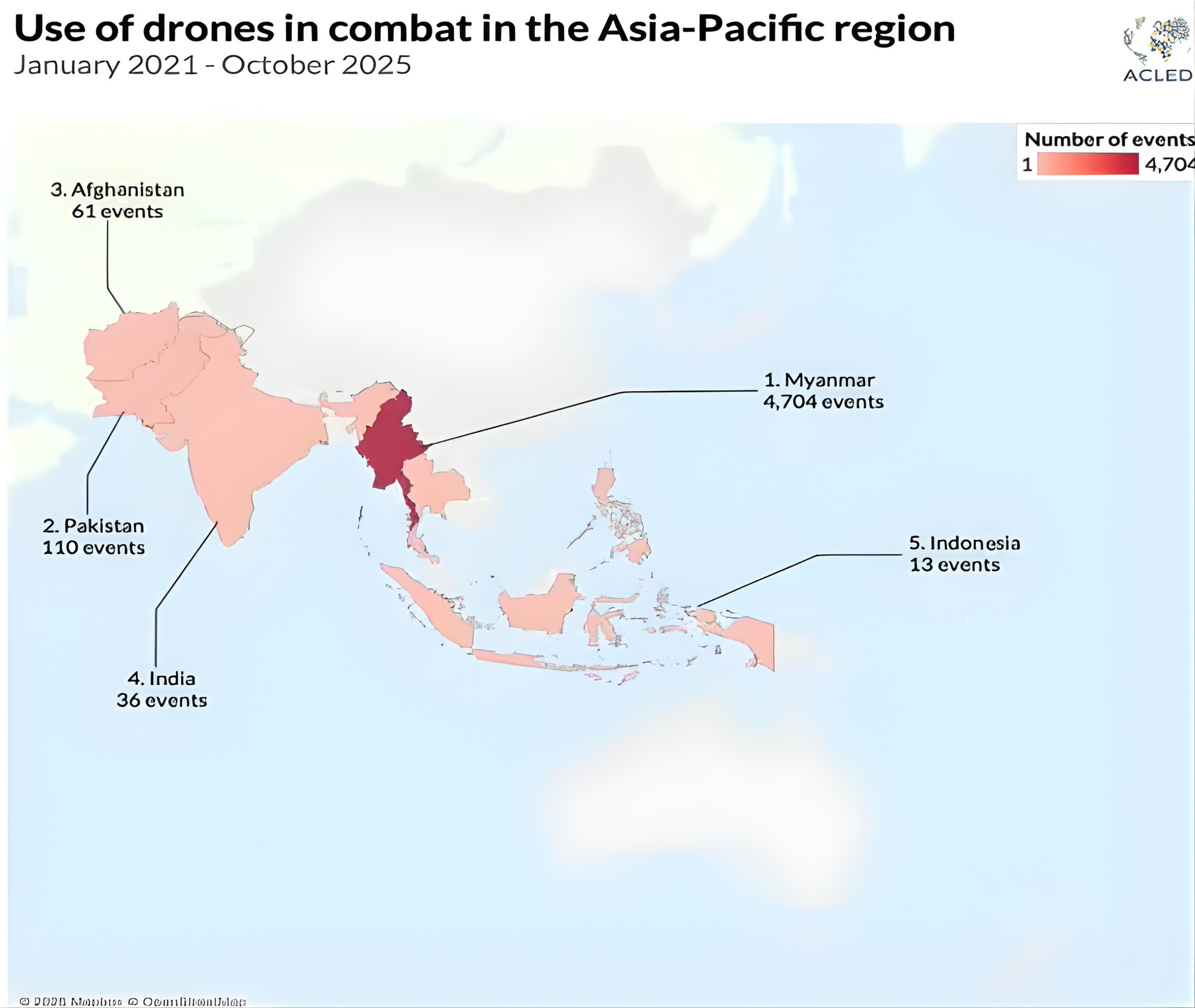 The overview of drone use in the conflicts by the top five countries in the Asia Pacific
In the Asia-Pacific region, Myanmar ranks third globally when it comes to political violence events in which ACLED records the use of drones, following Russia and Ukraine.
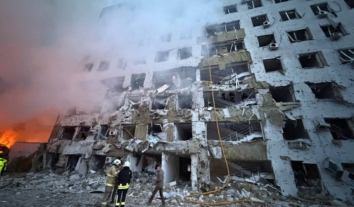
Myanmar borders China and India to the north, Thailand and Laos to the east, and Bangladesh to the west. There were 4,700 drone attacks across the country. Over 1,688 drone attacks occurred in the context of battles, and over 3,016 were independent drone strikes. Of those strikes, roughly 10% were deliberate civilian target events that led to 565 civilian fatalities.
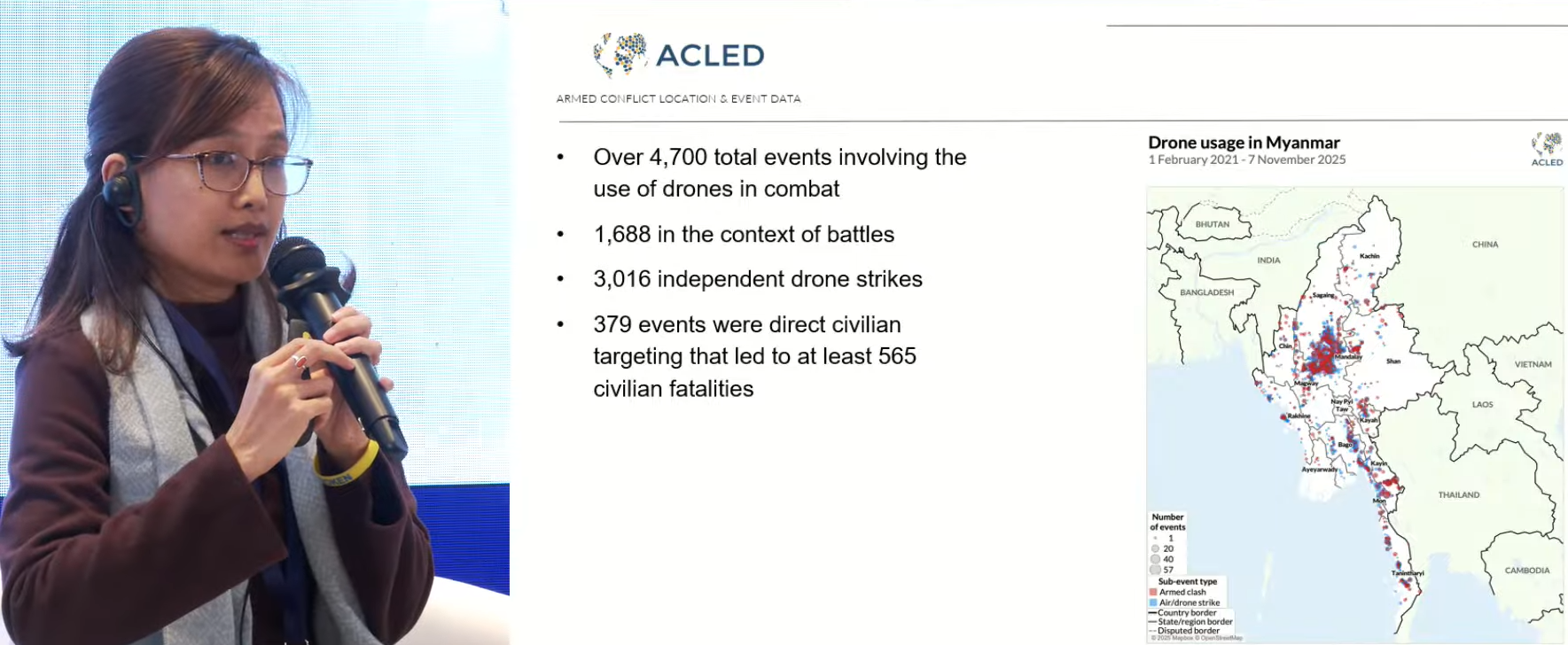
The roots of Myanmar’s ongoing war
In February 2021, a military coup overthrew the democratically elected government, prompting widespread protests against the coup. Some civil servants quit their jobs and joined a civil disobedience movement. People engaged in non-cooperation with the military. But the military responded with lethal and excessive force against the protesters and the armed resistance movement.
More than 3,300 armed groups now fight the Myanmar military in the country. They fall into two categories. One is the ethnic armed groups, which have been fighting since the independence from British colonial rule in 1947, and demand greater autonomy. Newer groups were founded after the military state coup. They demand the restoration of democracy. In the current conflict, these two groups are coming together in their goal to defeat the military. In my presentation, I will refer to them as a resistance group.
The conflict escalated into a full-blown civil war, with the military waging an asymmetric campaign.
Foreign visitors can still travel to Myanmar if they avoid conflict zones, but the risks extend beyond combat. However, there are political repressions and digital surveillance. Liking or reacting to social media posts critical of the military can result in jail time.
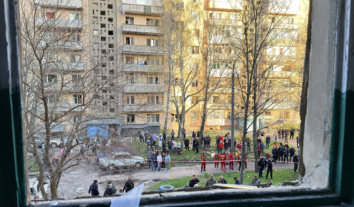
When drones hit homes, not battlefields
Over 90% of the Myanmar population is now exposed to the conflict. The conflict has spread across the country, claiming nearly 90,000 lives — soldiers, resistance fighters, and civilians.
By late 2024, resistance forces had captured more than 90 towns and around 350 locations in Myanmar due to drone technology.
The resistance groups don’t have military bases, a command structure, or any resources. Drones are the only weapons they can use to fight the powerful military. They began innovating and producing landmines, watermines, and bombs […]. Drones constitute the entire “air force” of resistance. They integrate and modify commercial drones, assembling custom aircraft from available parts to extend range and payload capacity.
Now they have access to military-grade Iranian, Chinese, and Russian-made drones, and can also customize them with upgraded features such as night vision, infrared sensing, and thermal imaging. It has also upgraded air defenses. They can now install jamming devices in almost all the military bases.
They’ve been receiving technology and training from all these countries. They have a joint center to train the military soldiers in Myanmar.
Employing jamming devices can disrupt four-channel frequencies. Some resistance groups are losing drones one by one.
Resistance groups initially gained ground with drone warfare. By late 2024, the military had caught up with its drone capabilities, and now they are only increasing, while the resistance’s drone use is declining.
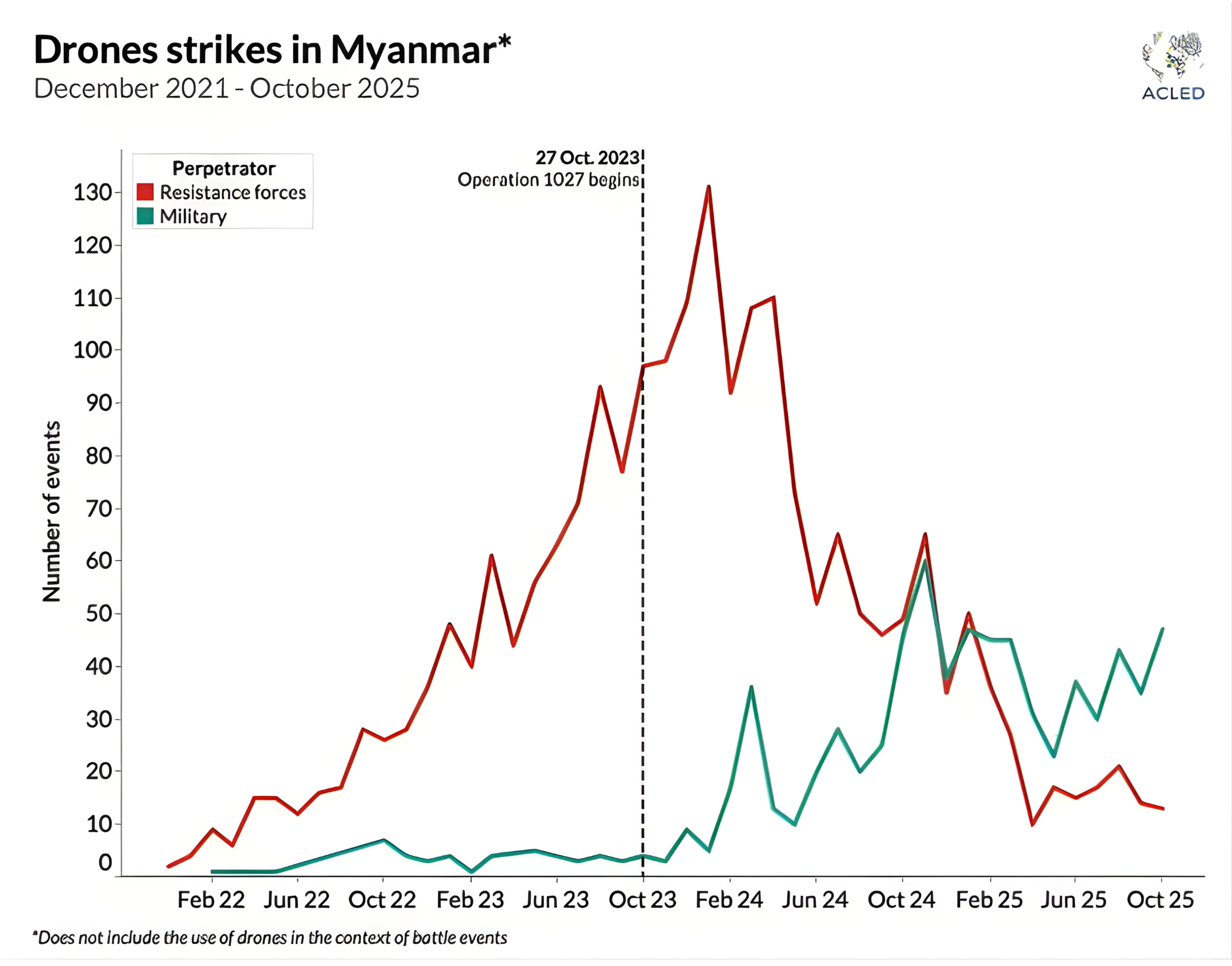 With China’s support, the Myanmar military was able to close the border gate and block supply chains to the resistance group, including dual-use technology exports. Currently, resistance groups cannot even buy batteries.
 Prices have soared. A drone that once cost $500 to build now runs $6,000.
The military air defense system harms civilians. First, the military targets civilians. Their air defense systems disrupt the frequencies of the resisting group’s drones, and they crash in the residential areas, killing civilians. That is also another reason why resistance stopped using drones.
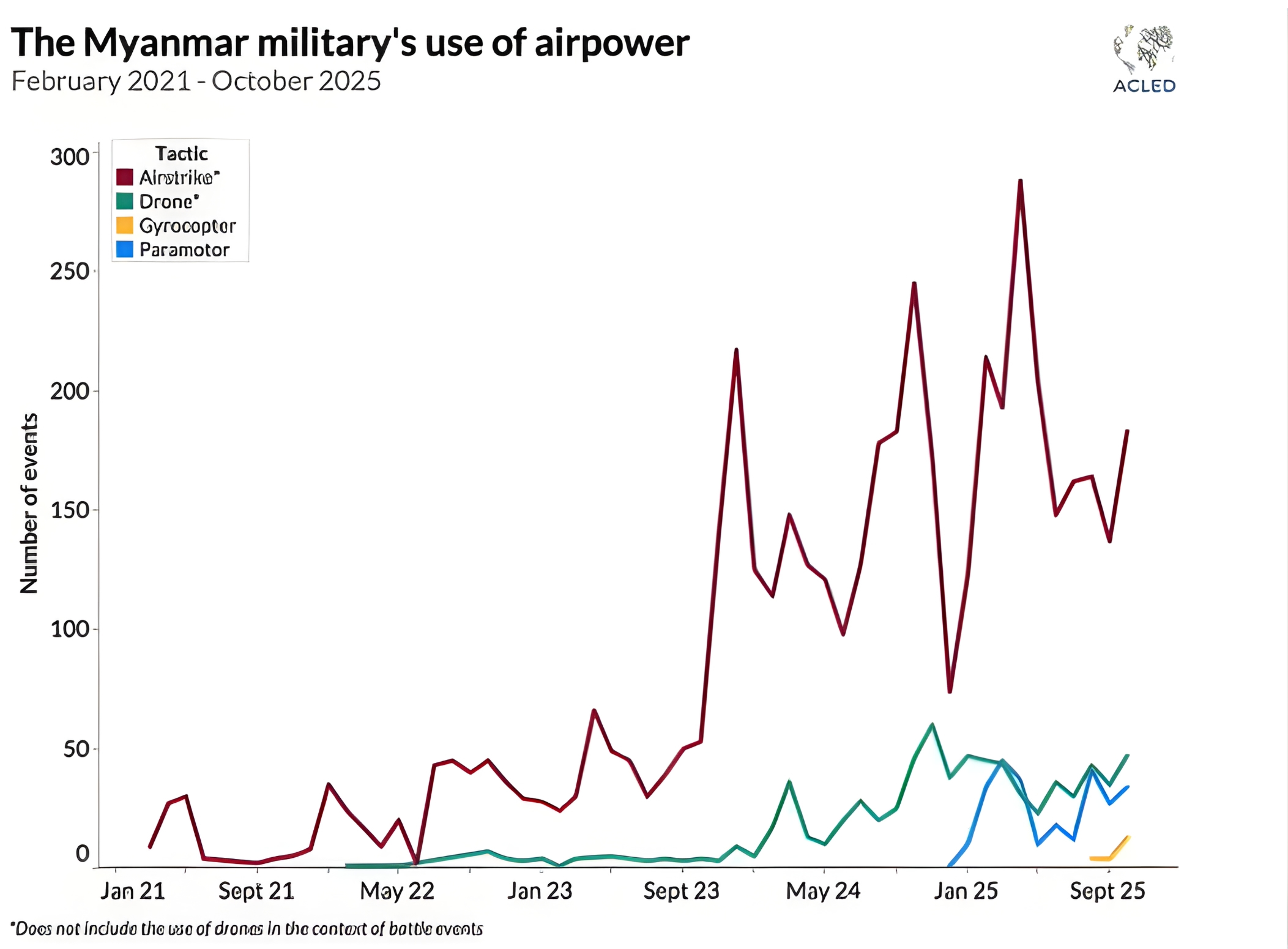
Moreover, the military is adding new aerial aircraft types. Not high-tech paramotors — motorized paragliders typically used for recreation — repurposed for attacks.
The Asia-Pacific drone race and its legal blind spots
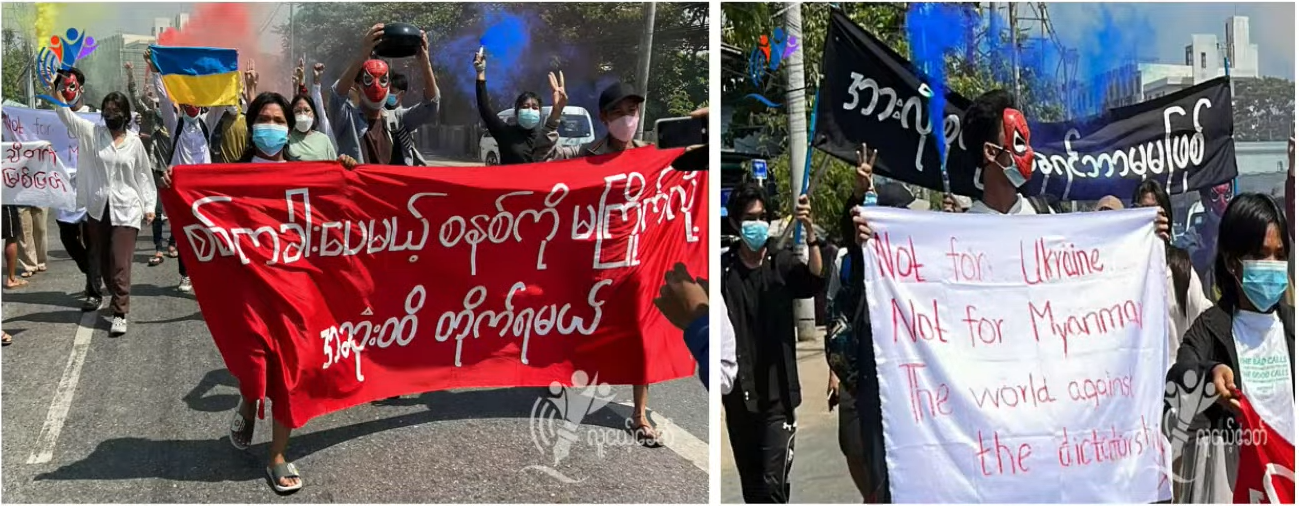
The Russian deputy defense minister was in Myanmar to attend a military parade in March 2022, and young people took to the streets in Yangon against the military coup. They also displayed the Ukrainian flag on this protest as a sign of solidarity with Ukraine in its struggle against Russian aggression. Their message was that they stand with Ukraine and that they are against all kinds of dictatorships.
Myanmar’s intensifying drone warfare signals a broader trend of an increased rate of drone use in the Asia Pacific region. That also indirectly puts pressure on the Thai military to keep up with its drone technologies and air defense systems.
We also see that nations are not putting much effort into upholding the UN international humanitarian law and international law. We see drone airstrikes and race for an air defense system, but not a lot of effort for the control regime.
And then, in terms of the impact on civilians, in the Myanmar case in particular, this is a conflict over a legitimacy computation. The military deliberately targets civilians to terrorize populations and undermine support for resistance forces. These attacks include strikes on weddings, religious ceremonies, and churches. The international community must act now to protect civilians.
Stay connected via X and LinkedIn with ZMINA – and help build this platform with us by filling out our anonymous 5-minute survey here.