Russian strikes kill five adults and a teenager in Ukraine on March 29
Russian military strikes on March 29 claimed the lives of six civilians in the Zaporizhzhia, Donetsk, Kharkiv, and Kherson regions. Additionally, dozens of people sustained injuries, notably in the Dnipropetrovsk region, according to the National Police of Ukraine.
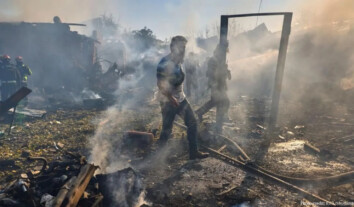
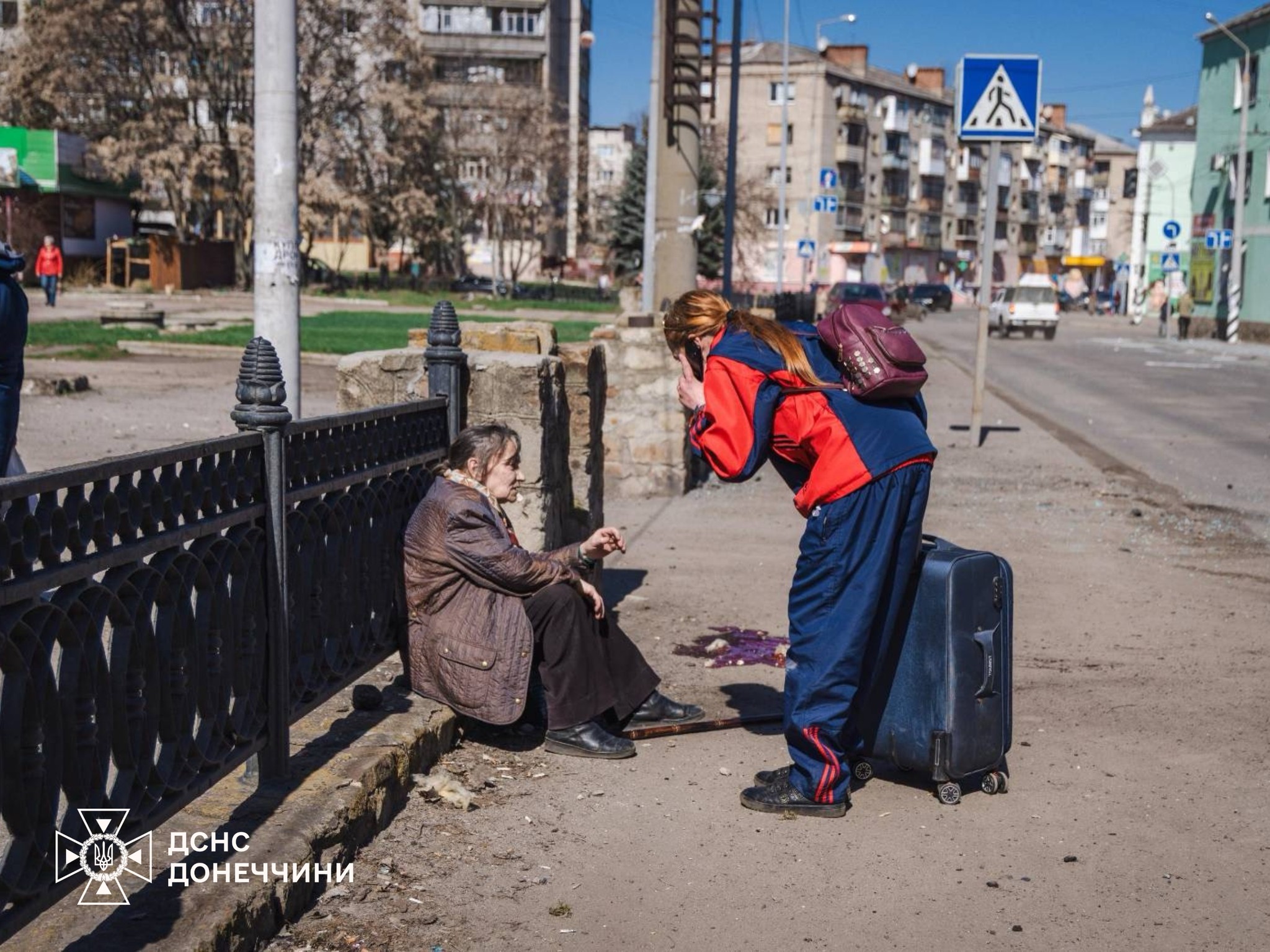 Two women talk on a street in the aftermath of a Russian strike on Kramatorsk.
The victims of Russian strikes on March 29 include:
- Three people in Kramatorsk, among them a 13-year-old boy;
- A 56-year-old man in the village of Zemlyanky, whose house was targeted by a Russian drone;
- A 75-year-old woman from Zarichne, which was hit by Russian guided aerial bombs;
- A 43-year-old woman, a passenger in a car targeted by a Russian drone in Kherson.
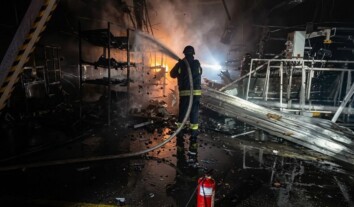
The majority of victims due to Russian shelling on March 29 were in the Donetsk region, where more than 1.6 thousand strikes were recorded in total.
As a consequence, in Kramatorsk, which was hit at least 14 times, 16 people sustained injuries, and significant destruction remained, such as nearly two dozen mangled high-rise buildings. Two people each in the region were injured after enemy shelling of Slovyansk and Oleksiyevo-Druzhkivka, and one more each in Dobropillia and Khrestyshche.
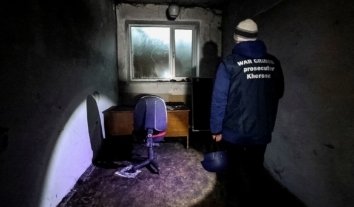
Seven people were injured due to Russian strikes on the Kharkiv Oblast: some of them sustained an acute stress reaction, and one man was injured due to the explosion of an unknown object.
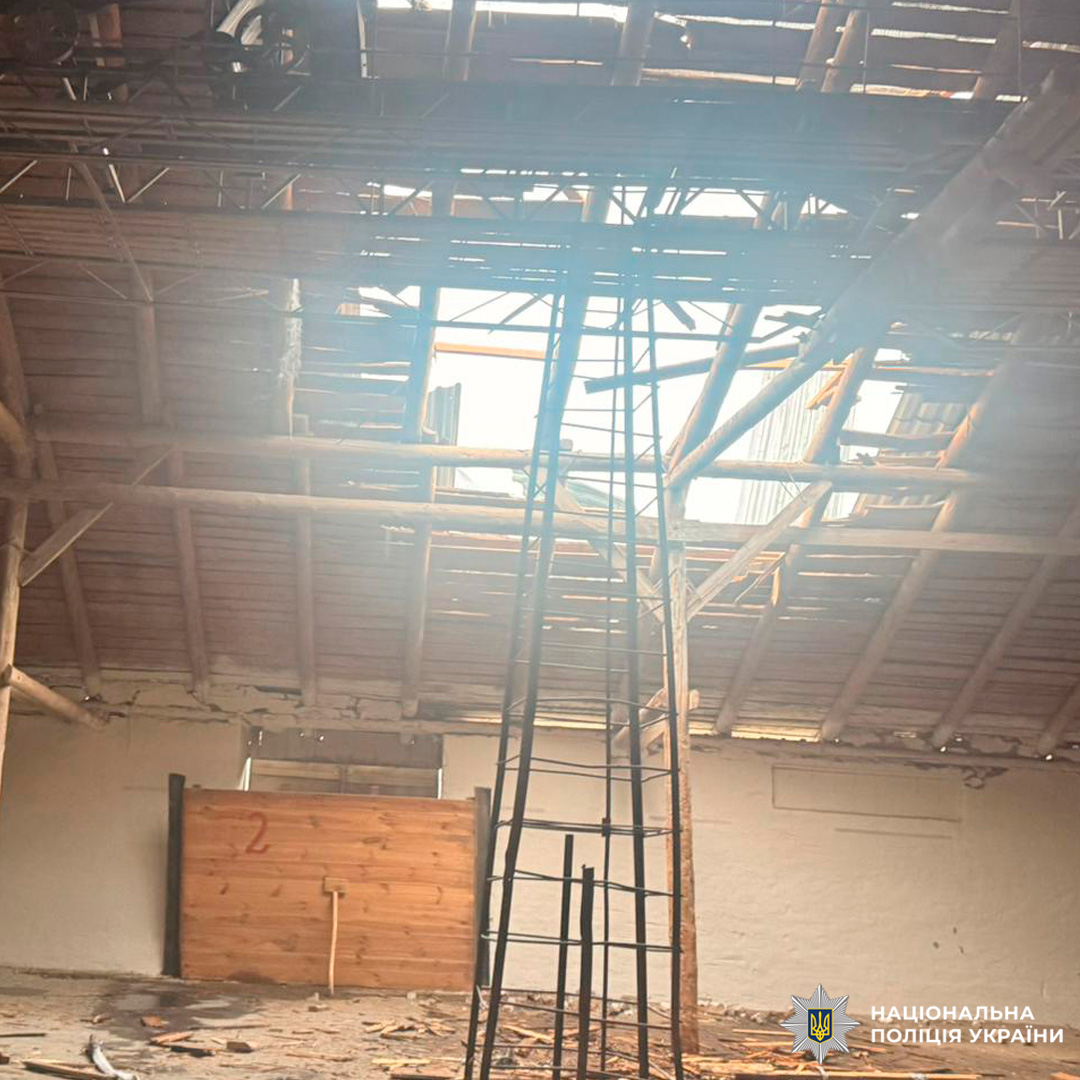 The aftermath of a Russian strike on an educational institution in the Kharkiv Oblast
Four more elderly people were injured the day before in the Zaporizhzhia region, particularly in Zarichne, Preobrazhenka, and Bilenke.
A motorcycle driver and a female police officer from the Dnipropetrovsk Oblast were also injured, this time by drones; two other citizens of the Oblast perished as well.
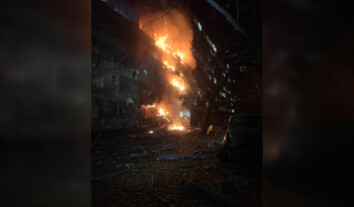
Three people were injured in the Kherson and Sumy regions. The vast majority of their injuries are the result of the use of various drones by the Russian military.
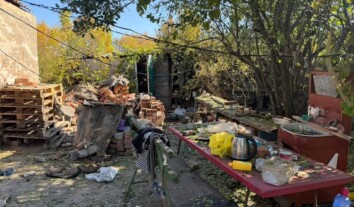
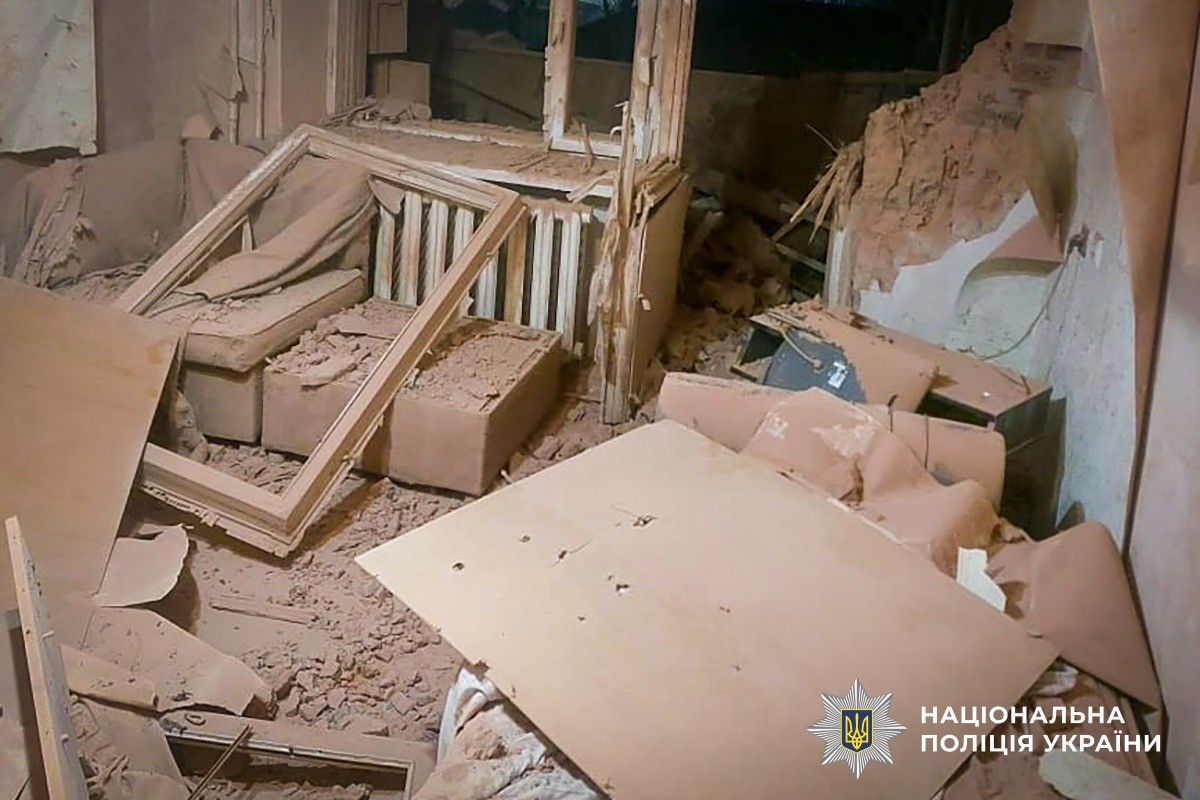 An apartment in a building in the Sumy region mangled by a Russian strike
By way of background, last week the Russian army launched over three thousand strike drones alone against Ukraine, more than 1,450 guided aerial bombs, and 40 missiles of various types. In over four years of full-scale war, the Russian military has killed over 15 thousand civilians in Ukraine with shelling.
Ukrainian experts point out that countries including China, North Korea, Hungary, Slovakia, Iran, Serbia, and Brazil assist Moscow in killing Ukrainians in its war against Ukraine by funding the Russian budget through trade.
Reuters reported, citing the Ministry of Industry of South Korea, that South Korea imported 27,000 tons of Russian naphthaі this week. This was the first time since the start of the war in the Middle East.
In addition, the Ministry of Industry, along with the Ministry of Foreign Affairs of South Korea, is working to secure additional supplies of Russian naphtha, according to local media reports.
Reuters also reported that Serbia secured another three months of gas imports from Russia after negotiations with Vladimir Putin, according to the country’s president, Aleksandar Vucic. Cheaper import of Russian gas covers up to 90% of Serbia’s needs.
Stay connected with us via X and LinkedIn – and while you’re here, please spare five minutes to fill out our survey and tell us what you’d like to see next.