Trust issues regarding Ukraine remain unresolved following attacks on NABU and SAPO, EU Commissioner Marta Kos says
Trust in Ukraine among European partners remains marred following the attacks on NABU and SAPO in June 2025. Even the repeal of controversial laws has not fully restored confidence, with the active role of Ukrainian civil society serving as the primary driver for improvements, EU Commissioner for Enlargement Marta Kos stated in an interview with European Pravda news outlet.
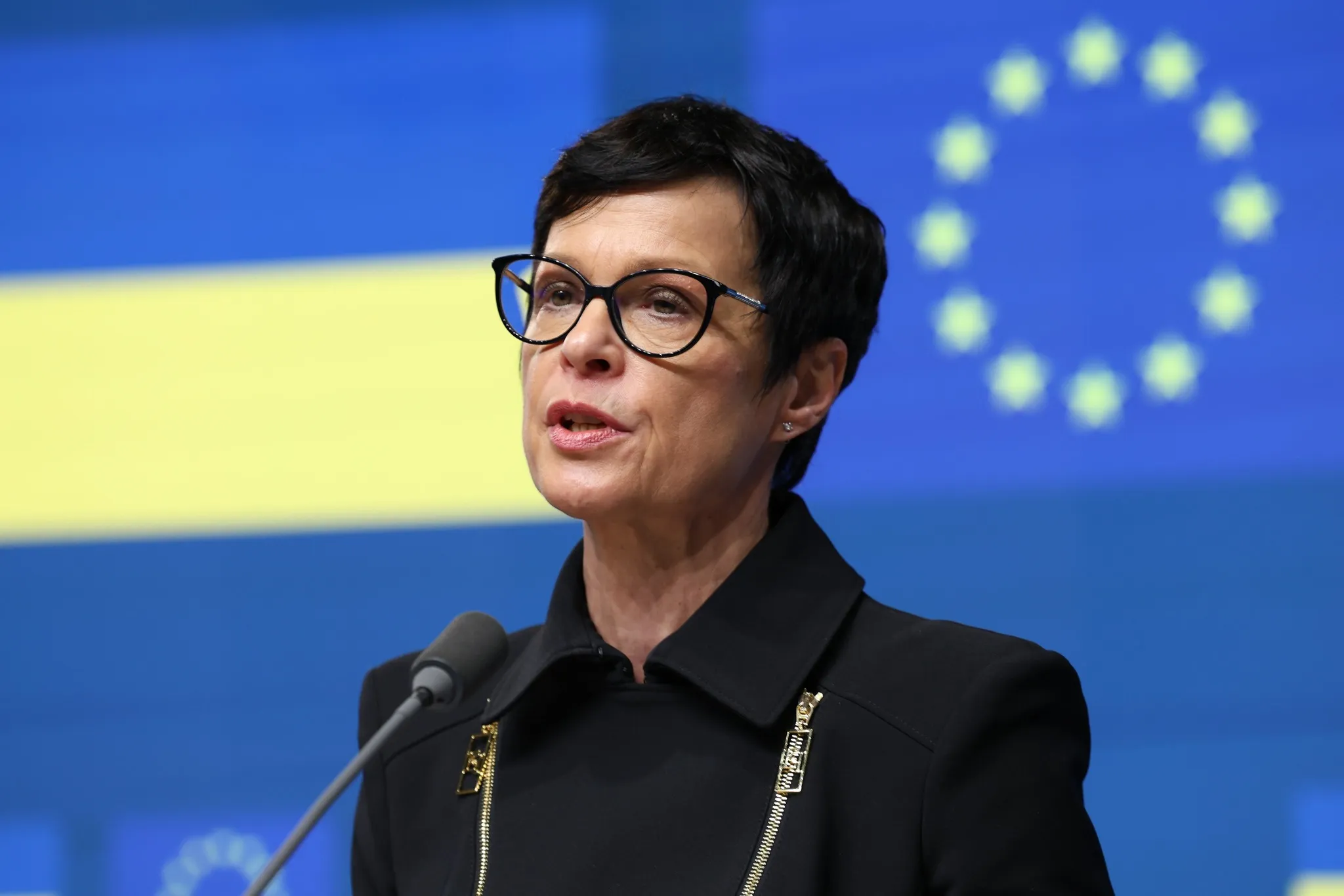 European Commissioner for Enlargement Marta Kos
She recalled the events of July 2025 and noted that she could not understand why Ukraine was stripping NABU and SAPO of their independence, as this was blocking the country’s path to EU membership.
Kos elaborated that even after the controversial laws were repealed, trust is difficult to restore and does not return automatically: when a partner loses it, any subsequent actions raise doubts about the correctness of their decisions and motivations.
At the same time, the European Commissioner noted that Ukrainian civil society is helping to restore that trust. She cited survey data showing that 72% of Ukrainians support the country’s EU membership and that the fight against corruption remains one of their top priorities, alongside welfare issues. Kos added that she would like to see such an active and responsible society in every EU candidate country.
You may also want to read: Systemic pressure on the anti-corruption ecosystem: challenges facing NABU, activists, and the media in 2025
To provide background, the European Union previously handed Ukraine key documents regarding EU accession conditions, which detail the criteria by which the country’s readiness will be assessed. These requirements place significant emphasis on combating corruption, strengthening the independence of anti-corruption bodies, and upholding the rule of law and human rights.
Earlier, ZMINA reported that two months after a public promise, the State Bureau of Investigation (SBI) had not launched an internal service investigation into the leak of private photos belonging to Vitaliy Shabunin, head of the Anti-Corruption Action Center (AntAC) and a member of the military. Furthermore, criminal proceedings were initiated only after Shabunin filed a formal complaint with a court. The victim himself has not yet been interrogated by investigators.
Previously, the AntAC has encountered a new wave of pressure. This follows the publication of an infographic on an anonymous Telegram channel making claims about the alleged “evasion of military service” by the organization’s staff. AntAC states that the released data contains factual errors and suggests that some of the information may have been obtained from materials seized during searches or from closed registries.
According to Member of Parliament Yaroslav Zheleznyak, the likely owners of the largest anonymous Telegram channels in Ukraine may be officers of the Security Service of Ukraine (SSU) currently in reserve. This network may be curated by the Department for the Protection of National Statehood.