Russian military killed seven civilians in Ukraine on March 1
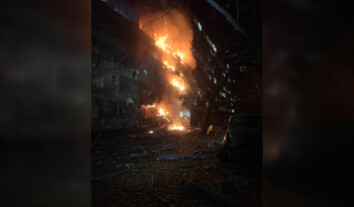
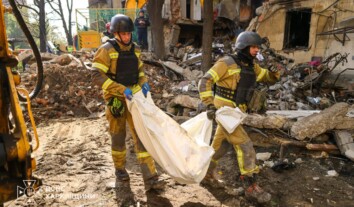
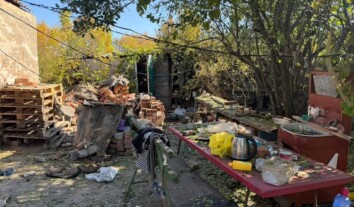
As a result of Russian military shelling on March 1, seven civilians were killed in the Kherson and Donetsk regions, and at least 11 others were injured, including in the Zaporizhzhia, Dnipropetrovsk, and Kharkiv regions, according to the National Police.
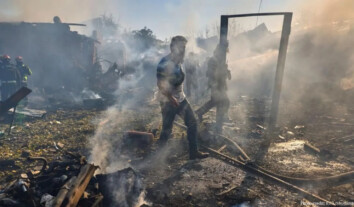
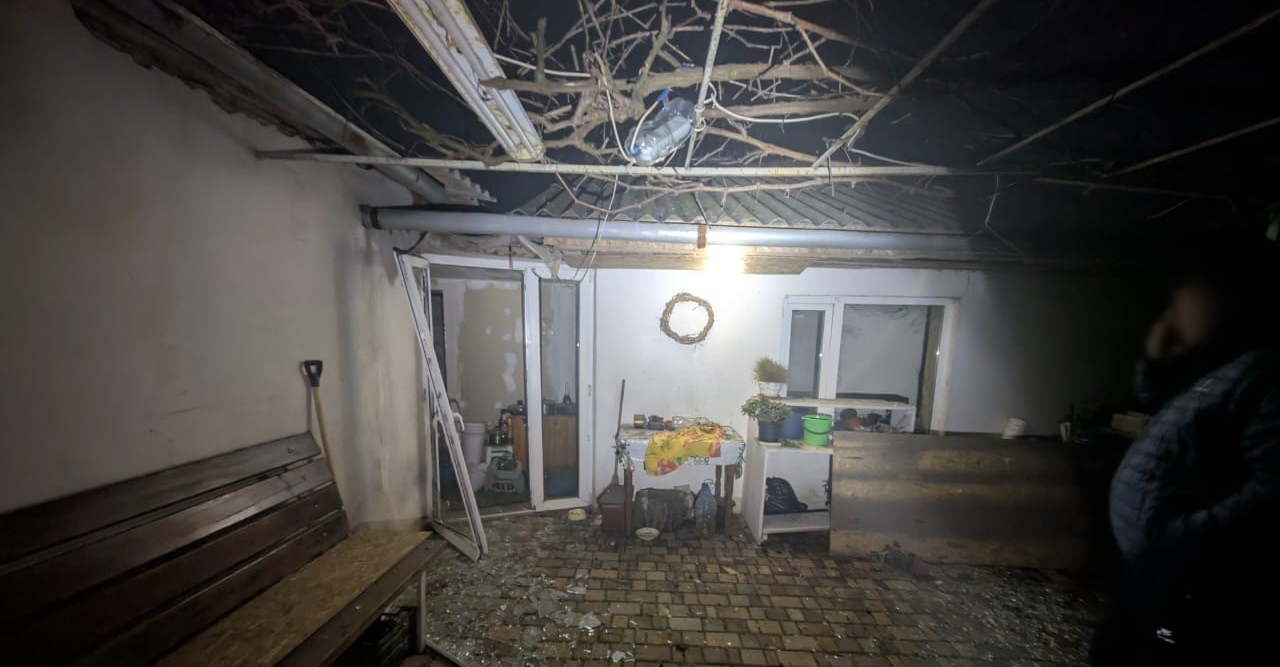 A private yard struck by a Russian attack in the Zaporizhzhia Oblast
The victims of the Russian strikes on March 1 were:
- A man from a frontline village in the Dnipropetrovsk Oblast, who had moved there with his family from the Donetsk region;
- A 58-year-old man who died in the hospital following enemy artillery shelling in the Shumenskyi District of Kherson city;
- Four Kherson residents killed by a Russian strike while they were near a residential building in the aforementioned District;
- One person in Oleksiyevo-Druzhkivka, the Donetsk Oblast.
In the Zaporizhzhia Oblast, Russian shelling on March 1 injured four civilians. Among them were two children in Komyshuvakha, which was targeted by airstrikes, and two adults from Orikhiv and Bilenke, who were hit by drones.
Similarly, four people were injured due to Russian strikes in the Kherson region: first, Russian forces attacked Novokayiry with drones, injuring two people, and later struck Kherson with artillery, injuring two more.
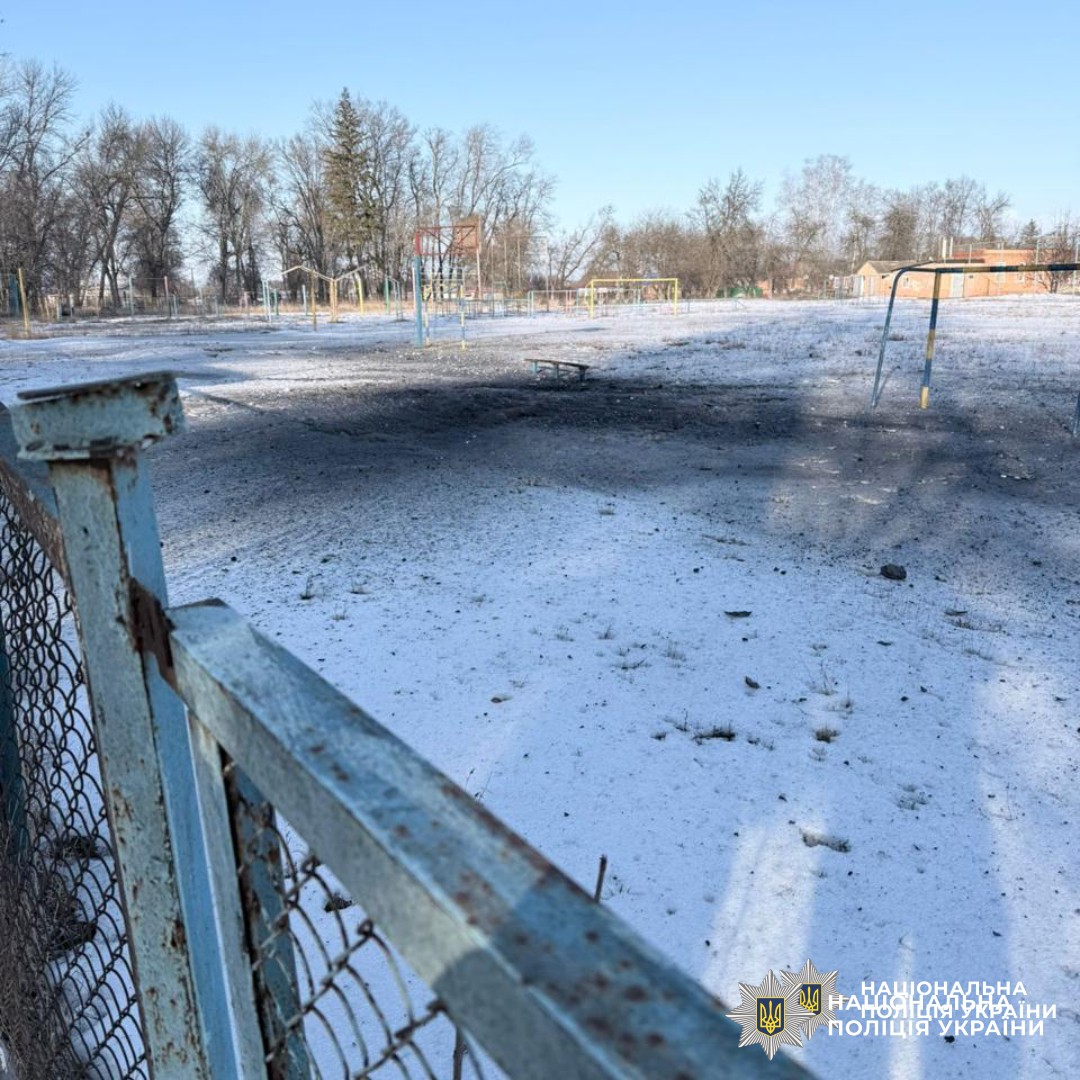 A children’s sports ground struck by the Russian military in the Kharkiv Oblast
In the Dnipropetrovsk Oblast, which the Russian Federation shelled nearly a hundred times over the past day, two women were injured as a result. Both sustained injuries when the Russians directed a drone toward one of the villages in the Myrivska “hromada,” a local government area that includes one or more nearby settlements, — a device that allowed the operator to see the target before the strike. Last year, journalists identified the Russian military personnel responsible for “hunting” civilians in the region.
Another elderly woman was injured in the Kharkiv Oblast when the Russian military launched a drone strike on her house in Vilshany.
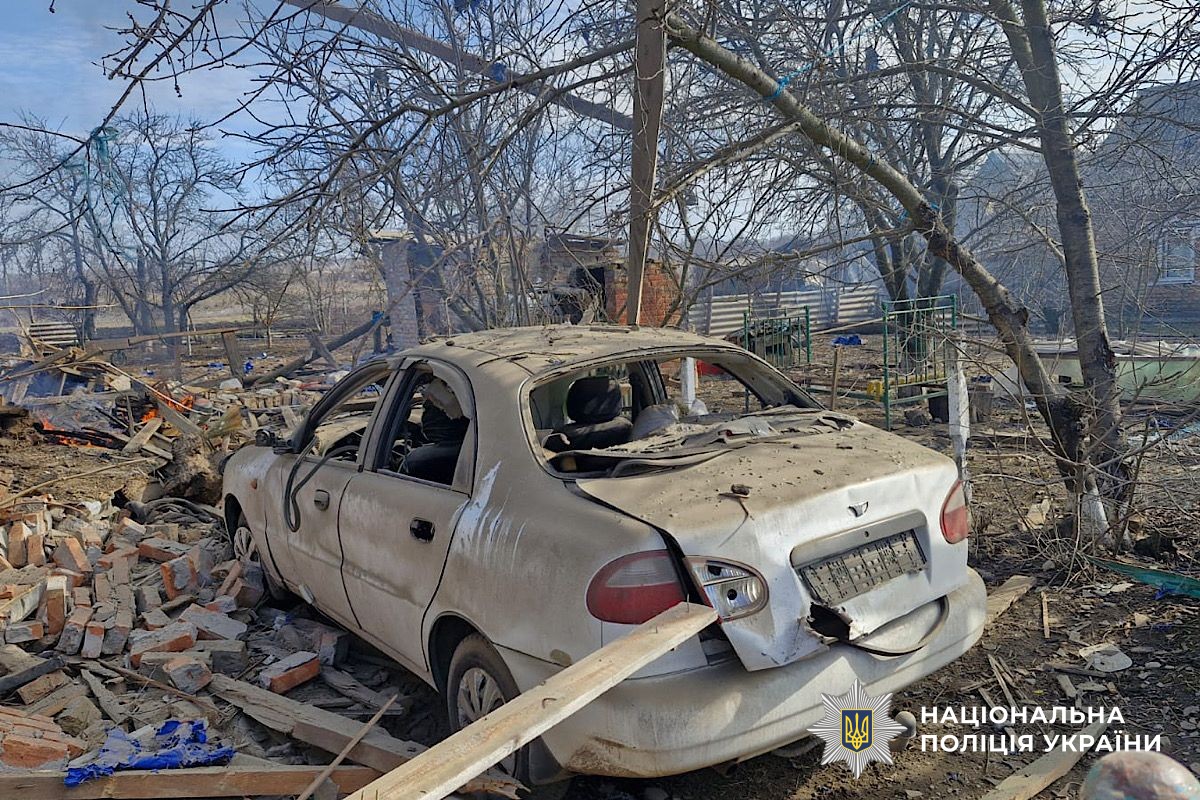 A private yard after a Russian strike in the Dnipropetrovsk region
To provide background, over four years of the full-scale war, the Russian military has killed more than 15,000 civilians alone in Ukraine through shelling.
Ukrainian experts point out that countries including China, North Korea, Hungary, Slovakia, Iran, and Brazil assist Moscow in killing Ukrainians in its war against Ukraine by funding the Russian budget through trade.
EU ambassadors have agreed on the text of the 20th sanctions package against Russia, but the final decision remains blocked by Budapest and Bratislava.
Previously, the Ukrainian OSINT Varta team, in collaboration with the Lex Talionis project, published an interactive map containing data on more than 6,000 enterprises of the Russian military-industrial complex and their 1.2 million employees. The interactive map provides descriptions of activities and specific developments for each enterprise, as well as a categorization system that allows filtering by type.
Meanwhile, Bloomberg reported that Indian state oil refiners and government officials have agreed on an action plan due to the conflict surrounding Iran, which has nearly halted oil flows through the Strait of Hormuz, and are now looking to Russian oil. The world’s third-largest oil importer is considering options, including returning to the purchase of Russian cargoes currently waiting near Indian waters, according to people familiar with the discussions.
Apart from this, the European Pravda news outlet has found, that the Netherlands and key European powers are deliberately stalling the creation of a special tribunal to prosecute Russian leaders for the crime of aggression against Ukraine, despite repeated promises that it would be established by the end of 2025, The Hague has presented partners with an unrealistically high budget — including €70 million for a detention facility — while major European capitals use financial uncertainty as an excuse to leave the process in limbo.
Follow ZMINA on X and LinkedIn for daily human rights coverage from Ukraine – we invite you to share your feedback on what you’d like to see more of in our survey here.