Russia kills 4, injures child in overnight strikes on Zaporizhzhia and Mykolaiv oblasts
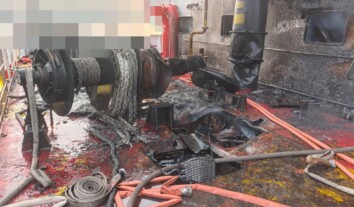
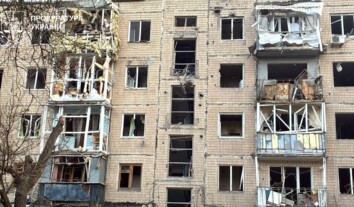
As a result of Russian military shelling on the night of February 25, fatalities, injuries, and destruction of critical infrastructure have been reported in the Zaporizhzhia and Mykolaiv regions, according to the oblast military administrations and the State Emergency Service (SES).
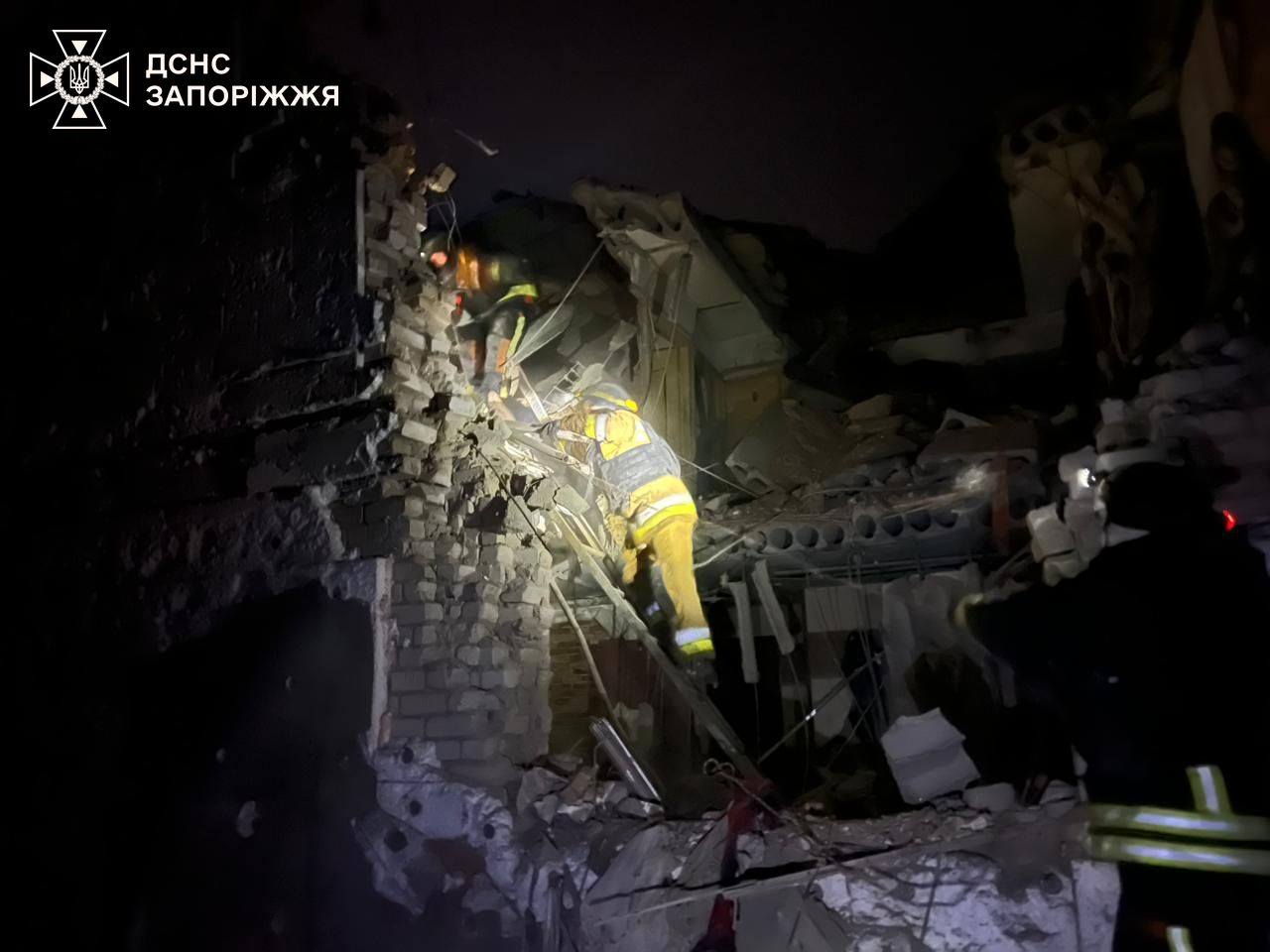 Rescuers are searching for bodies under the rubble of a house destroyed by a Russian strike in the Zaporizhzhia Oblast
In the Zaporizhzhia Oblast, Russian forces struck one village in the Zaporizhzhia District. As a result, the bodies of three people were found under the rubble of one house, and another person was found under another. As of this morning, one injured child has also been reported.
In the Mykolaiv Oblast, as of this morning, only material consequences have been reported, specifically damage to critical infrastructure.
In addition, the Naftogaz press service reported that the enemy has been continuously attacking gas storage facilities and production capacities in the Kharkiv and Chernihiv regions for two days. Russians used about 60 attack drones.
“There is destruction. As soon as the security situation permits, the company’s specialists, along with State Emergency Service units, will conduct an assessment of the consequences and begin their elimination,” Serhiy Koretskyy, Chairman of the Board of NJSC Naftogaz of Ukraine, noted.
Ukraine’s Air Force reported that Russian forces attacked Ukraine using 115 Shahed, Gerbera, Italmas, and other types of drones on the night of February 24-25. About 60 of the UAVs were Shahed loitering munitions. Early reports indicate that as of 7:30 a.m., Ukrainian air defense forces had destroyed or jammed 95 Shahed, Gerbera, Italmas, and other types of drones in the country’s north, south, and east.
Eighteen UAVs hit 11 locations.
To provide background, on the previous night, Russia killed a man in the Dnipropetrovsk Oblast and injured a pensioner in the Zaporizhzhia Oblast.
U.S. President Donald Trump has not secured an end to Russia’s war within 24 hours of taking office, as he had promised. Furthermore, numerous Ukrainian and international experts point out that the U.S., as a guarantor state under the Budapest Memorandum, is pressuring Kyiv into capitulation.
Olha Stefanishyna, Ukraine’s Ambassador to the United States, has said she received an official warning from Washington over Ukrainian strikes on Russia’s port of Novorossiysk, which allegedly affected certain American-linked investments routed through Kazakhstan.
As reported by CNN, she called on US lawmakers to pass legislation strengthening sanctions against Moscow, saying delays in adopting the measure are seen as a victory for the Kremlin.
“If we are able to impose more sanctions and more pressure on Russia, they will not be in a position to withdraw from the negotiations,” Stefanishyna concluded.
Meanwhile, Ukrainian human rights lawyer and Nobel Peace Prize laureate Oleksandra Matviichuk has criticized U.S. President Donald Trump over a rise in civilian war casualties in Ukraine since he took office in 2025.
Matviichuk pointed out that the number of Ukrainian civilians killed or injured because of the war rose by 31% compared to the previous year. She asked why Trump’s year of negotiations was the deadliest for Ukraine’s civilian population since the start of Russia’s full-scale invasion.
“Why did Putin not allow himself such brutal strikes on civilian infrastructure under Biden, whom Trump calls ‘weak,’ but totally destroys peaceful cities and disregards the ‘strong Trump’?” she asekd on her Facebook page.
Ukrainian experts point out that countries including China, North Korea, Hungary, Slovakia, Iran, and Brazil assist Moscow in killing Ukrainians in its war against Ukraine by funding the Russian budget through trade.
Previously, the Ukrainian OSINT Varta team, in collaboration with the Lex Talionis project, published an interactive map containing data on more than 6,000 enterprises of the Russian military-industrial complex and their 1.2 million employees. The interactive map provides descriptions of activities and specific developments for each enterprise, as well as a categorization system that allows filtering by type.
Keep up with ZMINA on X and LinkedIn – and help us improve by answering a few quick questions here about our English-language coverage.