At least 3 killed, 32 injured in massive Russian overnight attacks on Kyiv region and Southern Ukraine (updated)
On the night of February 22, 2026, Russian troops carried out another massive missile and drone attack on the Kyiv region and the southern regions of Ukraine. Due to the shelling in the Kyiv region, one person was killed, and five civilians were injured. Additionally, critical infrastructure facilities were damaged, according to Mykola Kalashnyk, head of the Kyiv Oblast Military Administration, and the State Emergency Service (SES).
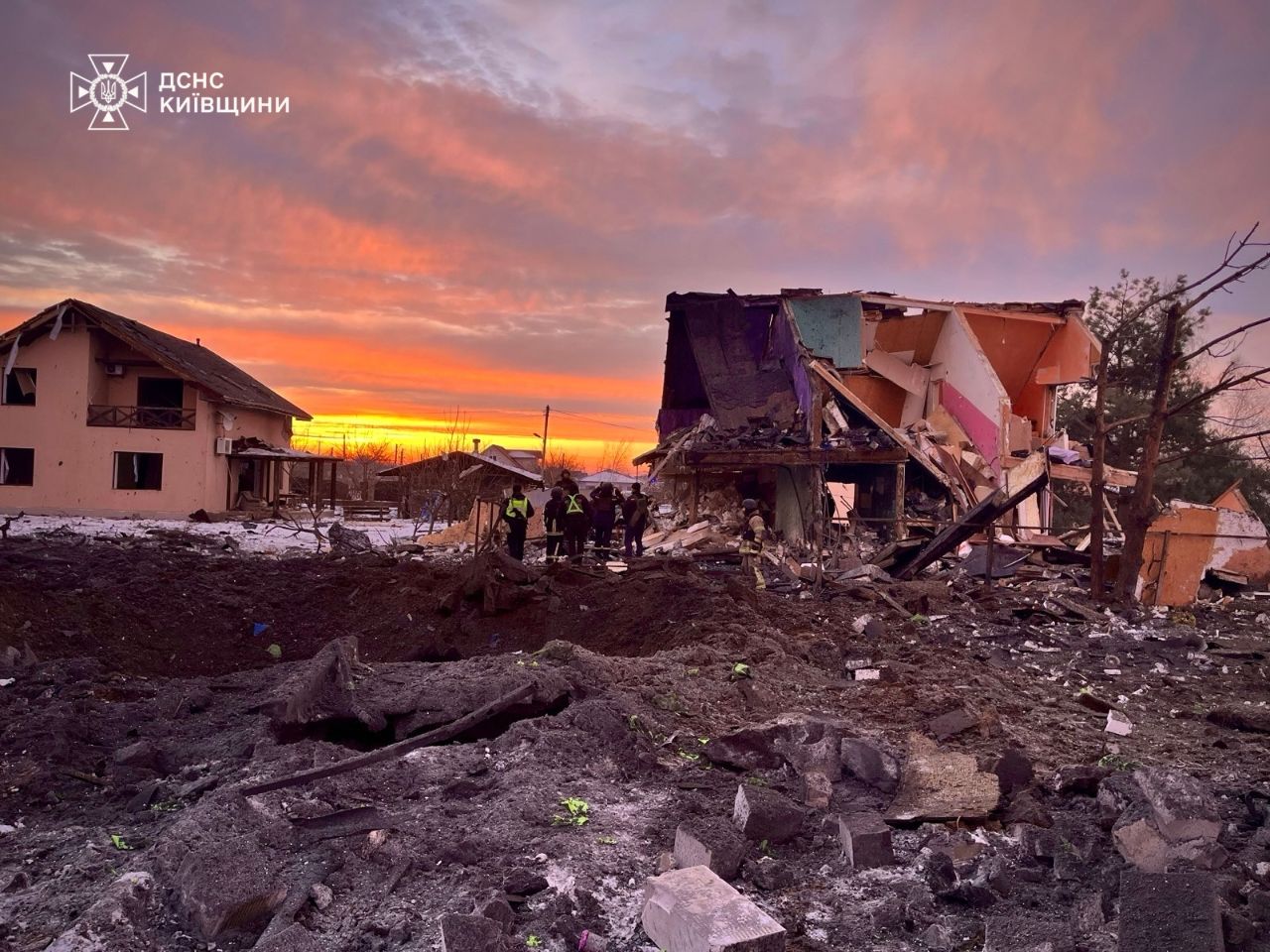
As a result of the massive Russian attack, destruction and fires were recorded in the Obukhiv, Brovary, Boryspil, Bucha, and Fastiv Вistricts of the Oblast.
One killed, five injured as Russia launches massive overnight attackIn the Kyiv region, 15 people were injured, including four children. The highest number of casualties occurred in the Fastiv District.
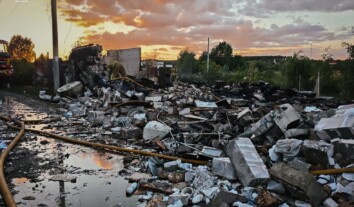
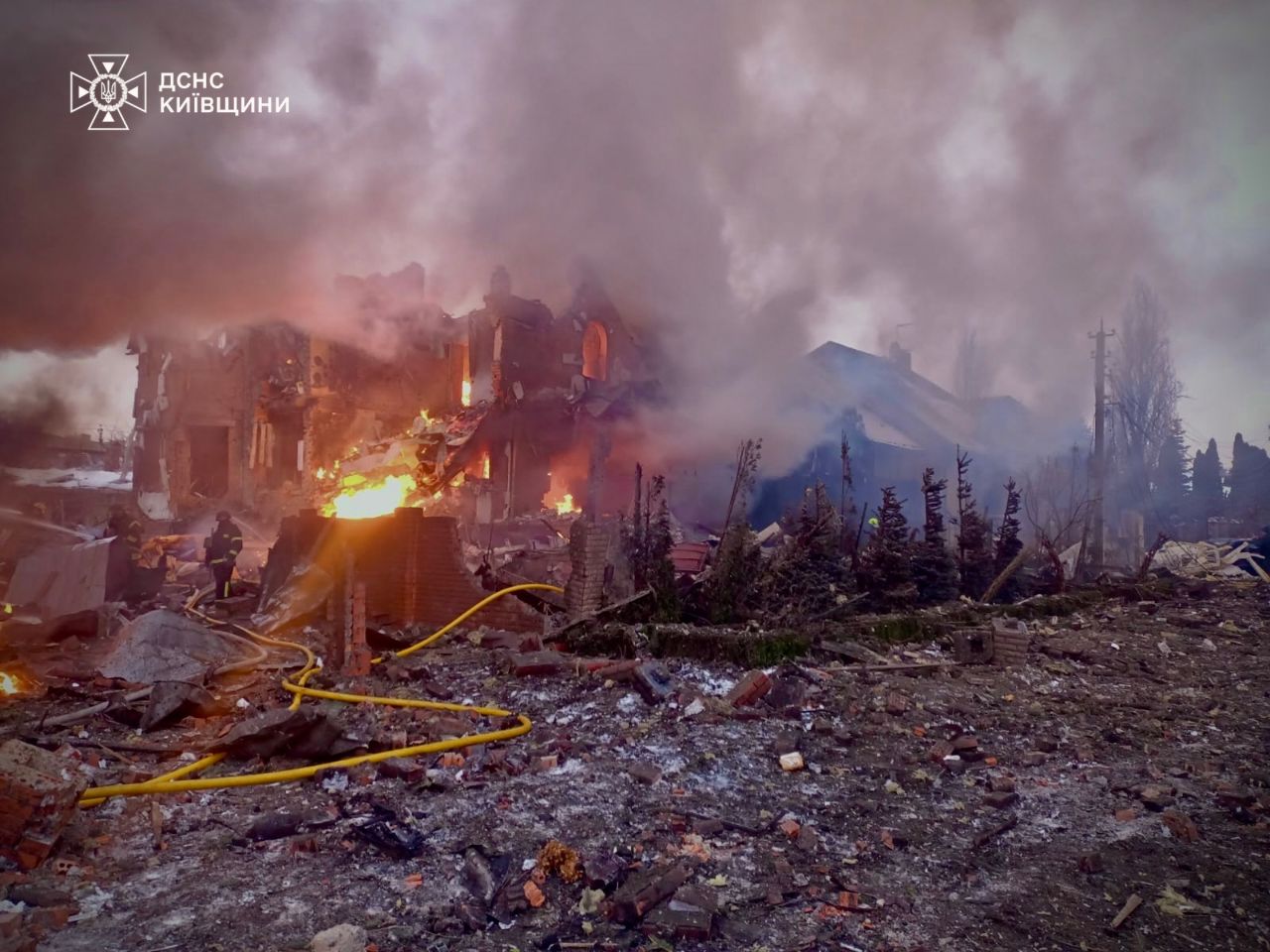 Aftermath of the Russian attack on the Kyiv Oblast
Infrastructure facilities, private residential homes, and auxiliary buildings were damaged. Fires broke out at several locations.
In the Boryspil District, a private house was damaged during the attack. Preliminary reports indicate a woman was injured by glass shards; she is currently receiving the necessary medical assistance. Additionally, a fire broke out at a farm outbuilding, which rescuers promptly localized.
In the Brovary District, ten units within a garage cooperative sustained damage. The fire has been extinguished.
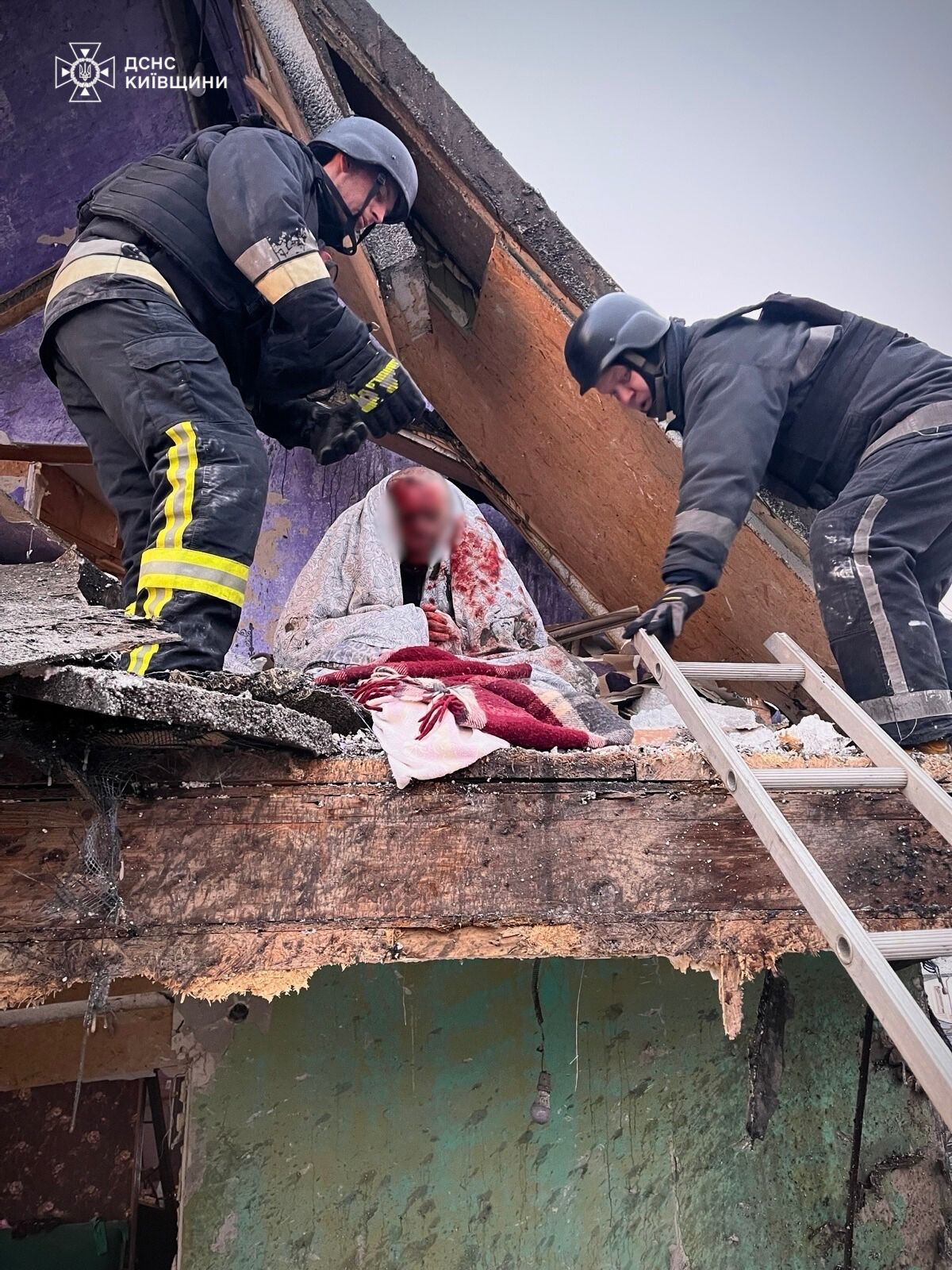
The Fastiv District suffered the most significant destruction, with five private houses damaged. According to preliminary information, eight people were rescued from the rubble, including one child.
“In the village of Putrivka, Fastiv District, eight people were rescued from the rubble, including a child. Unfortunately, one person died while being transported to the hospital. Five victims were hospitalized,” the SES reported.
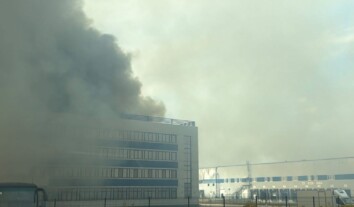
In the Bucha District, two private houses and a car were damaged, while in the Obukhiv District, warehouse facilities and another residential building were hit. All emergency services are currently on-site, and efforts to mitigate the consequences of the shelling are ongoing.
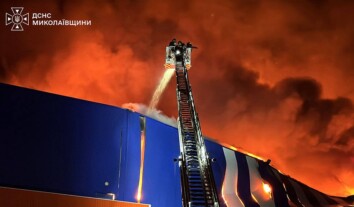
The Odesa Oblast also came under a massive strike. Oleh Kiper, head of the Odesa Oblast Military Administration, reported drone attacks on energy infrastructure facilities. The hits resulted in large-scale fires; however, all blazes have been successfully extinguished. No deaths or injuries have been reported in the region.
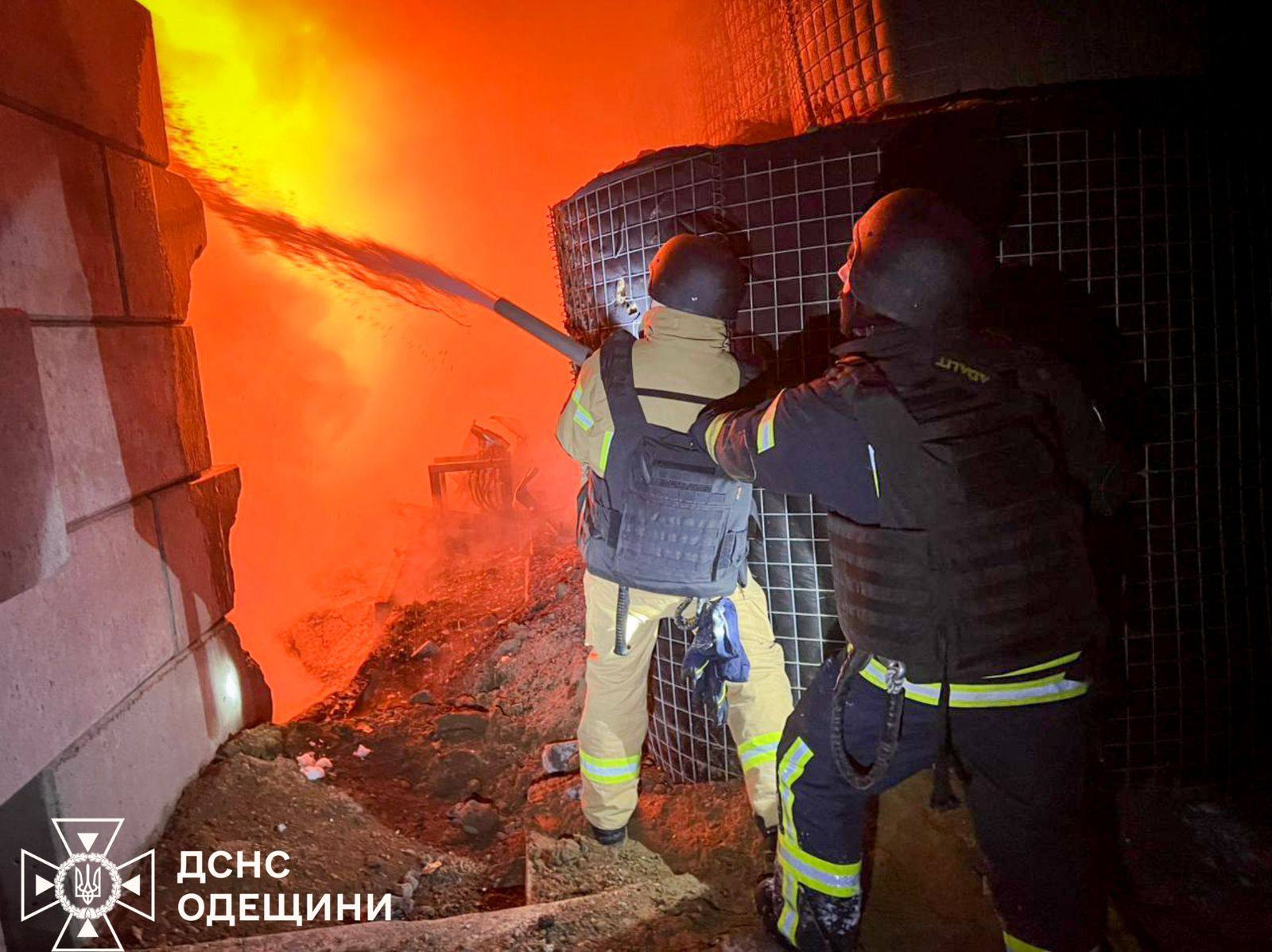
In Mykolaiv, a “Shahed” drone attack damaged energy infrastructure, leaving approximately 16,000 subscribers without power. Vitalii Kim, head of the Mykolaiv Oblast Military Administration, reported that no casualties were recorded in the city. Restoration work is currently underway as energy crews and rescuers work to mitigate the fallout.
The Ukrainian Air Force recorded 345 aerial attack assets this night, including 33 missiles and 274 UAVs that were shot down or jammed.
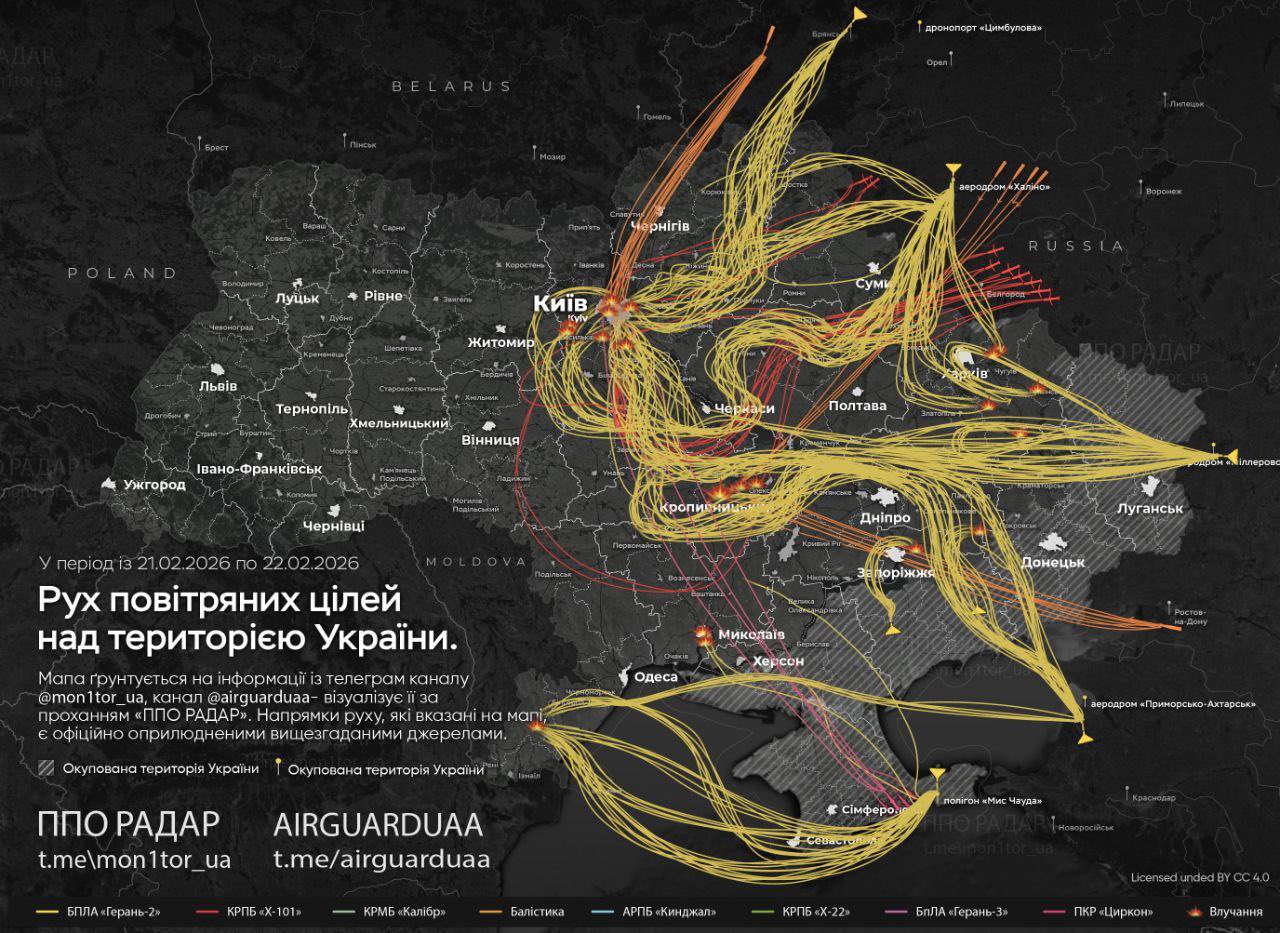
The main areas targeted were Kyiv, Odesa, Kirovohrad, and Poltava Oblasts. In particular, Russian forces launched:
- 4 Zircon anti-ship missiles (2 shot down or jammed);
- 22 Iskander-M/S-400 ballistic missiles (8 shot down or jammed);
- 18 Kh-101 cruise missiles (17 shot down or jammed);
- 2 Iskander-K cruise missiles (2 shot down or jammed);
- 4 Kh-59/69 guided air-to-surface missiles (2 shot down or jammed);
- 297 UAVs (274 shot down or jammed).
The Air Force reported that 14 missiles and 23 attack UAVs hit 14 locations. Debris from downed UAVs fell at five locations. Information regarding several other Russian missiles is being clarified.
Later, the National Police of Ukraine reported that over the past 24 hours, Russian shelling on February 22 killed three civilians in the Kyiv and Zaporizhzhia regions. At least 32 others sustained injuries across the Kherson, Kharkiv, Dnipropetrovsk, and Donetsk regions as attacks targeted residential areas and infrastructure.
This follows a wave of strikes on the night of February 21, when Russian forces targeted the Odesa Oblast and the Sumy “hromada,” a local government area that includes one or more nearby settlements. The attack on Sumy injured three civilians, including two children. In the Odesa region, two additional injuries were reported.
Meanwhile, a 23-year-old police officer has been killed and 25 people injured in what Ukrainian officials have called a terror attack in the western city of Lviv.
The victim of the attack was named as Viktoria Shpylka.
 Police officer Viktoria Shpylka was killed in the attack
“She was only 23 years old and had begun her service at the start of the full-scale invasion of the Kherson region,” the national police wrote on Telegram on Sunday morning.
Eleven people were admitted to the hospital, six of whom were law enforcement officers in a serious condition, police reported.
The National Police blamed a 33-year-old woman from the Rivne Oblast for planting two homemade explosive devices in waste bins that detonated after police crews responded to a reported break-in shortly after midnight on Sunday.
Ukrainian police stated that following the instructions of a so-called “handler” from the Russian special services, the woman manufactured improvised explosive devices and placed them in pre-determined locations. The pretrial investigation in the criminal proceedings is being conducted by the Security Service of Ukraine.
Olha Aivazovska, Chair of the Board at Civil Network OPORА, stressed that OPORA has long insisted that Russia will scale up grassroots sabotage during periods of political activation.
“While it may not be obvious to many, security for future elections is not just about Shaheds and missiles; it is also about these localized actions against societal safety,” Aivazovska warned.
You may also want to read: Ukrainian civil society organisations explain why Ukraine can’t hold elections during martial law
She pointed out summer data by the Prosecutor General’s Office, which indicates that 206 minors have committed criminal offenses related to the full-scale invasion, including:
- Arson of vehicles belonging to or used by military personnel and volunteers;
- Arson of Territorial Recruitment Centers (TCC);
- Sabotage of railway infrastructure and Ukrposhta branches;
- Committing acts of terrorism.
The highest concentration of such incidents has been recorded in the Dnipropetrovsk, Donetsk, Zaporizhzhia, Kyiv, Kirovohrad, Mykolaiv, Odesa, and Kharkiv regions, as well as the city of Kyiv.
These actions by minors have resulted in 17 casualties: 10 civilians (including three minors and seven adults) and seven military personnel.
Investigations established that in all cases, the minors were recruited via Telegram. Messages were posted offering “risky work” for pay, with the ultimate goal of committing sabotage or obstructing the lawful activities of the Armed Forces of Ukraine.
Keep up with ZMINA on X and LinkedIn – and help us improve by answering a few quick questions here about our English-language coverage.