Just peace in Ukraine must fully protect territorial integrity — UN Secretary-General António Guterres
UN Secretary-General António Guterres told Ukrinform news agency ahead of the fourth anniversary of Russia’s full-scale invasion of Ukraine that any just peace for Ukraine must guarantee the country’s territorial integrity.
-
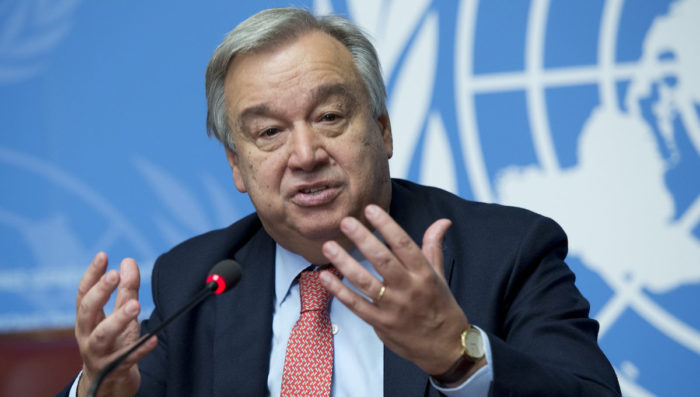 Antonio Guterres, UN Photo / Jean-Marc Ferré
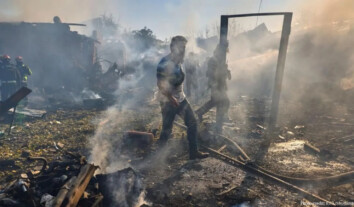
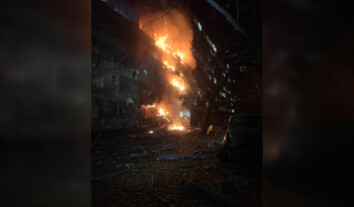
 - Guterres highlighted that over the four years since the beginning of the full-scale invasion, which violated international law, particularly the UN Charter, Ukraine has suffered devastating losses and displacement, attacks on civilians and critical energy infrastructure, and serious human rights violations, including those affecting children.
Guterres said UN personnel have remained in Ukraine since the start of the war in February 2022, providing life-saving humanitarian assistance wherever it was needed, particularly in frontline areas.
Related: 11 years of oppression and repression: how human rights in occupied Crimea are approaching zero
He recalled his visits to Ukraine, where he had witnessed firsthand the destruction caused by the war.
Guterres also welcomed all efforts to achieve a just and inclusive peace.
He emphasised that a just peace in Ukraine must fully ensure the country’s sovereignty, independence, and territorial integrity within its internationally recognised borders, in accordance with the UN Charter, international law, and the relevant UN resolutions.
Earlier, Guterres said that the principle of self-determination does not apply to Crimea and Donbas and that Ukraine’s territorial integrity takes precedence, amid reports that Russia had asked the United Nations to consider “self-determination” for these territories.
To provide background, Russia began the war with the occupation of the Autonomous Republic of Crimea 12 years ago. On 20 February 2014, Russian soldiers without insignia appeared on the Ukrainian peninsula. They blocked Ukrainian military units and established control over strategic facilities.
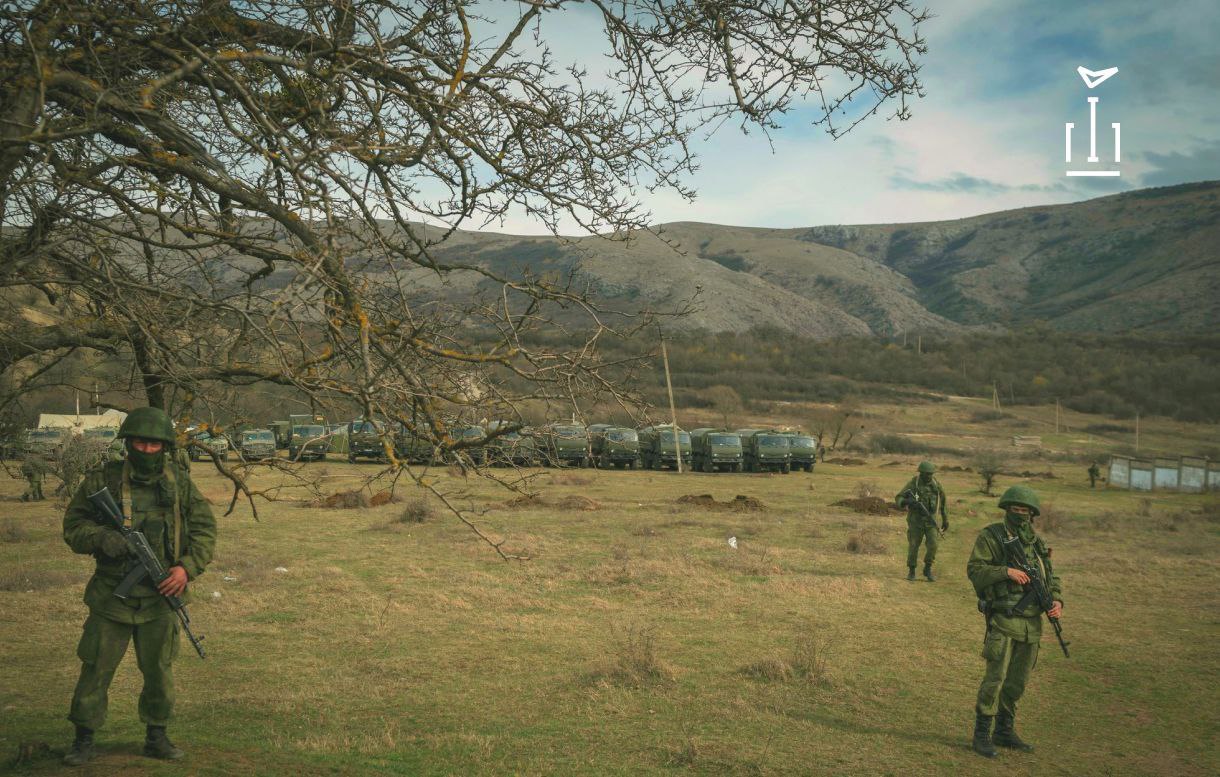 Russian soldiers without insignia in Crimea
The Mission of the President of Ukraine in the Autonomous Republic of Crimea points out that since then, residents of the peninsula have suffered daily from repression by the Russian occupiers. This includes illegal abductions, groundless searches, and denial of access to lawyers.
“Over the years, the repression has reached an even greater scale – today, the Russian occupation authorities can arrest a person for a post on social media, participation in a peaceful rally, or even for practising their religion. As of today, at least 284 individuals in temporarily occupied Crimea have been subject to a policy of judicial persecution for political reasons and for resisting the occupation. 159 of them are Crimean Tatars,” the Mission’s statement reads.
Related: Silent deportation: how the descendants of Crimean Tatars deported in 1944 are experiencing it again
Throughout the years of occupation, Russia has tried to legitimise its invasion. To this end, back in 2014, the occupiers held a so-called referendum, through which they sought to show that the residents of Crimea allegedly wanted to “join” Russia, the Mission elaborates. In reality, this “referendum” is illegal and violates international norms. The results of that sham referendum were not recognised by any international body — neither the UN, nor the European Union, nor the Council of Europe. At that time, partial sanctions were imposed on Russia.
“However, the world did not provide a tough response to the occupation of Crimea — there were no actions that would genuinely force the aggressor to retreat. This sense of impunity only emboldened Russia to escalate further. First — the war in eastern Ukraine. Then, the full-scale invasion in 2022. By appeasing the aggression in 2014, the world faced a much larger war today. History shows that Russia’s demands and promises are not a reliable basis for security, as it systematically violates its own obligations. Therefore, no negotiation process can call into question the territorial integrity of Ukraine or allow for the legitimisation of the occupation. Concessions to the aggressor do not bring peace and do not prevent military escalation — they encourage a new, larger-scale phase of violence,” the representatives of the Mission of the President of Ukraine in the Autonomous Republic of Crimea said.
Earlier, Crimean journalists shared memoirs, witnesses to the beginning of the Russian aggression, refuted the claims of the aggressor country’s propaganda that it gained control of Crimea peacefully and with the consent of Crimean residents.
Follow ZMINA on X and LinkedIn for daily human rights coverage from Ukraine – we invite you to share your feedback on what you’d like to see more of in our survey here.