Seven people were killed by Russian shelling across Ukraine on January 12
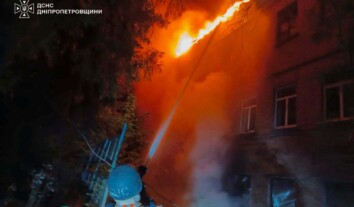
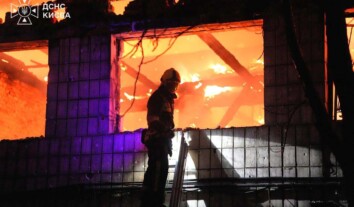
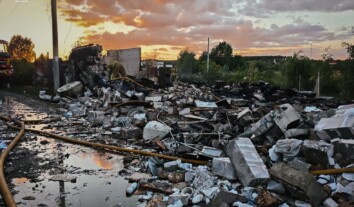
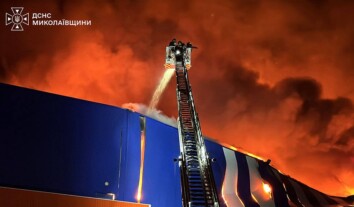
Ukraine’s National Police reported that as a result of Russian military shelling on January 12, 2026, seven civilians were killed in the Donetsk, Kharkiv, and Kherson regions, while eleven others sustained injuries, including in the Zaporizhzhia, Odesa, and Dnipropetrovsk regions.
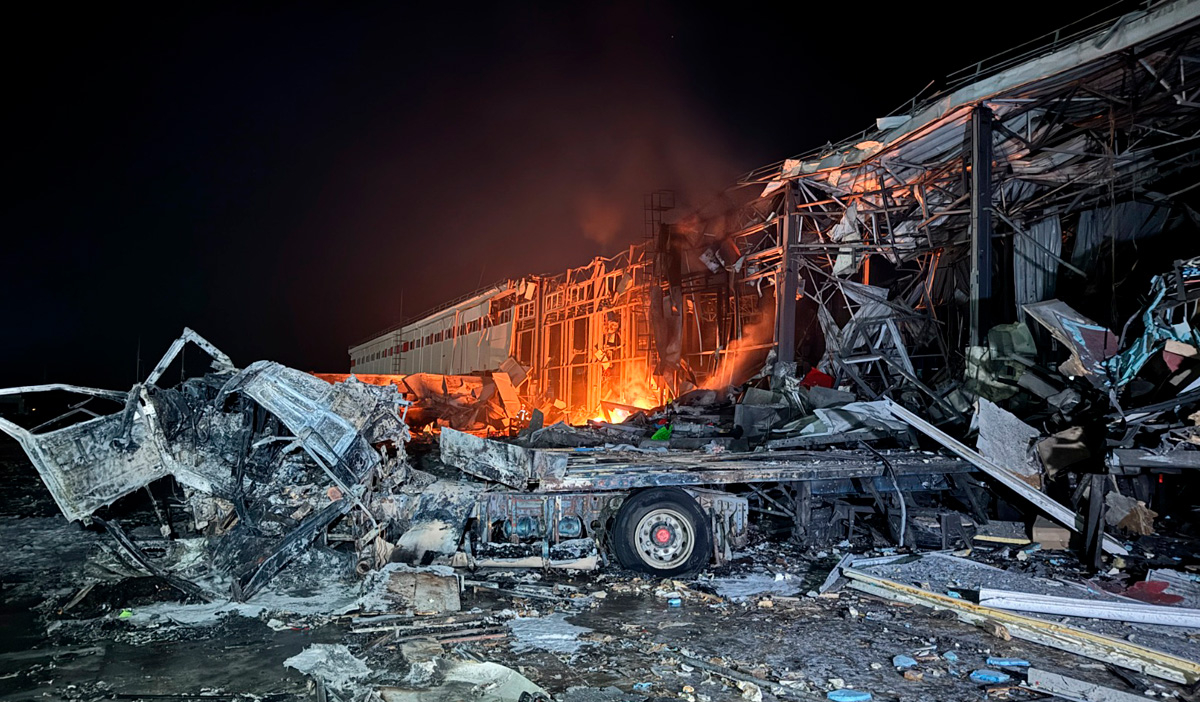 Photo credit: the National Police of Ukraine
On January 12 and overnight, Russian shelling killed:
- A 79-year-old woman in Kherson, whose body was found in an apartment of a mutilated high-rise building.
- One person in Starovarvarivka and another in Druzhkivka.
- Four residents of Kharkiv.
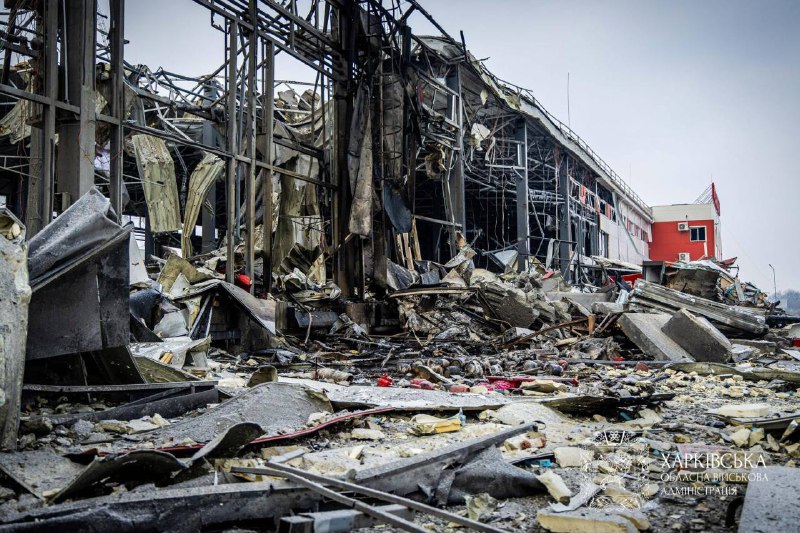
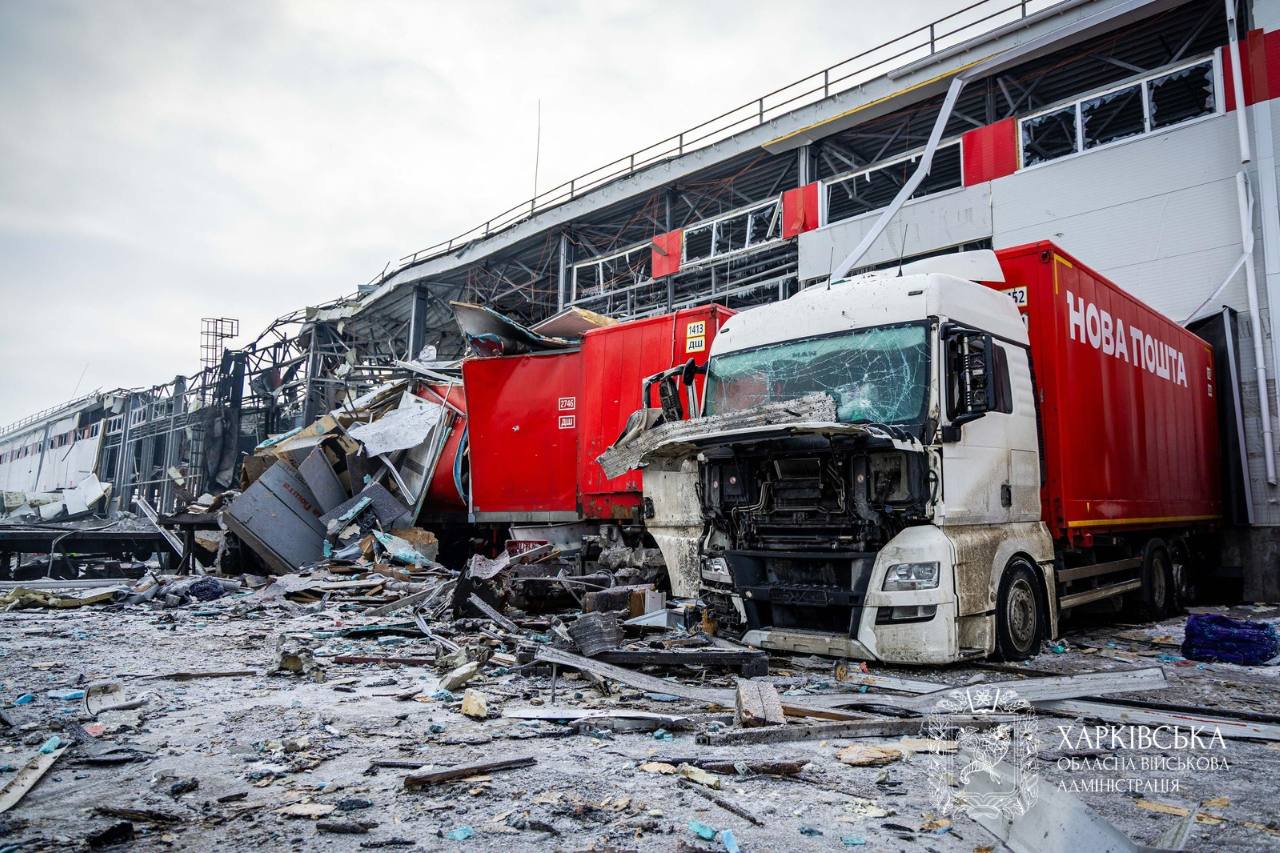
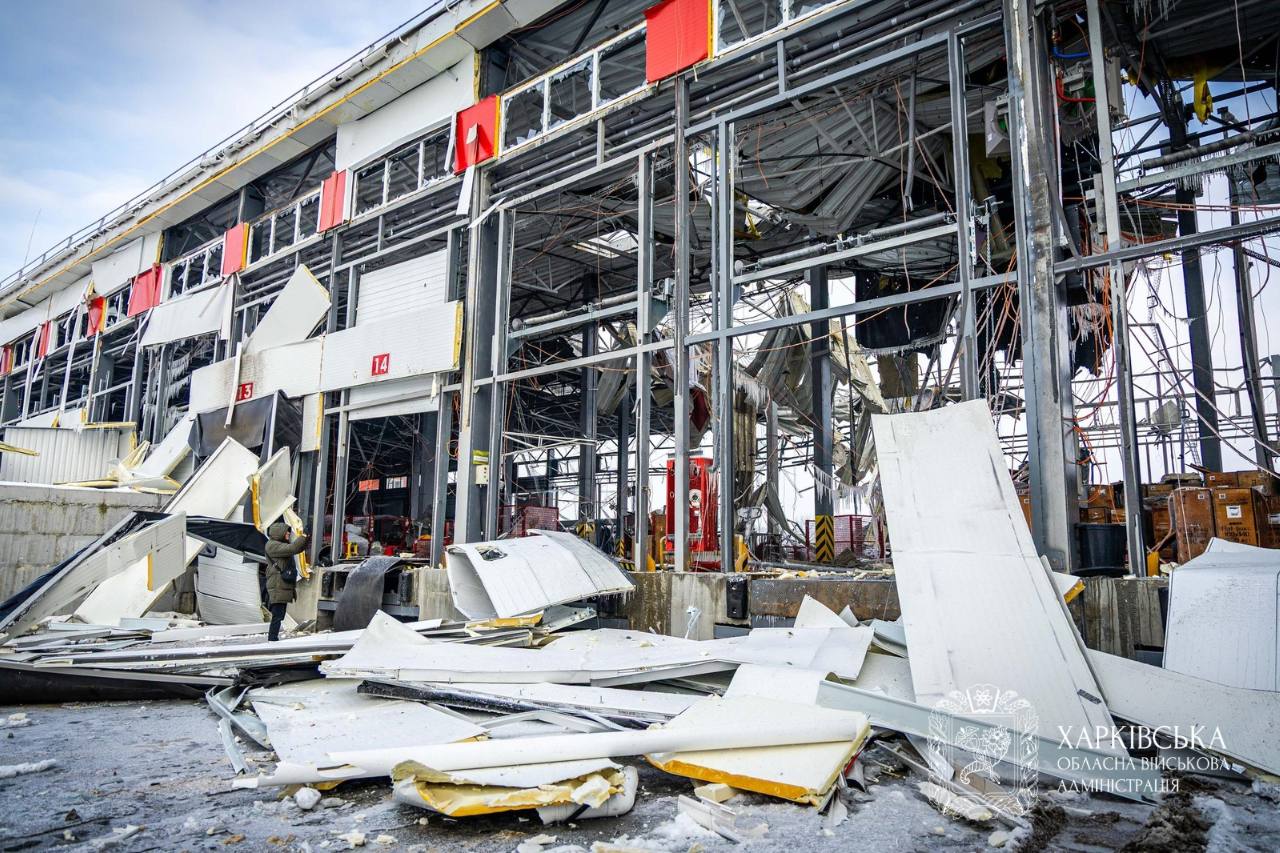
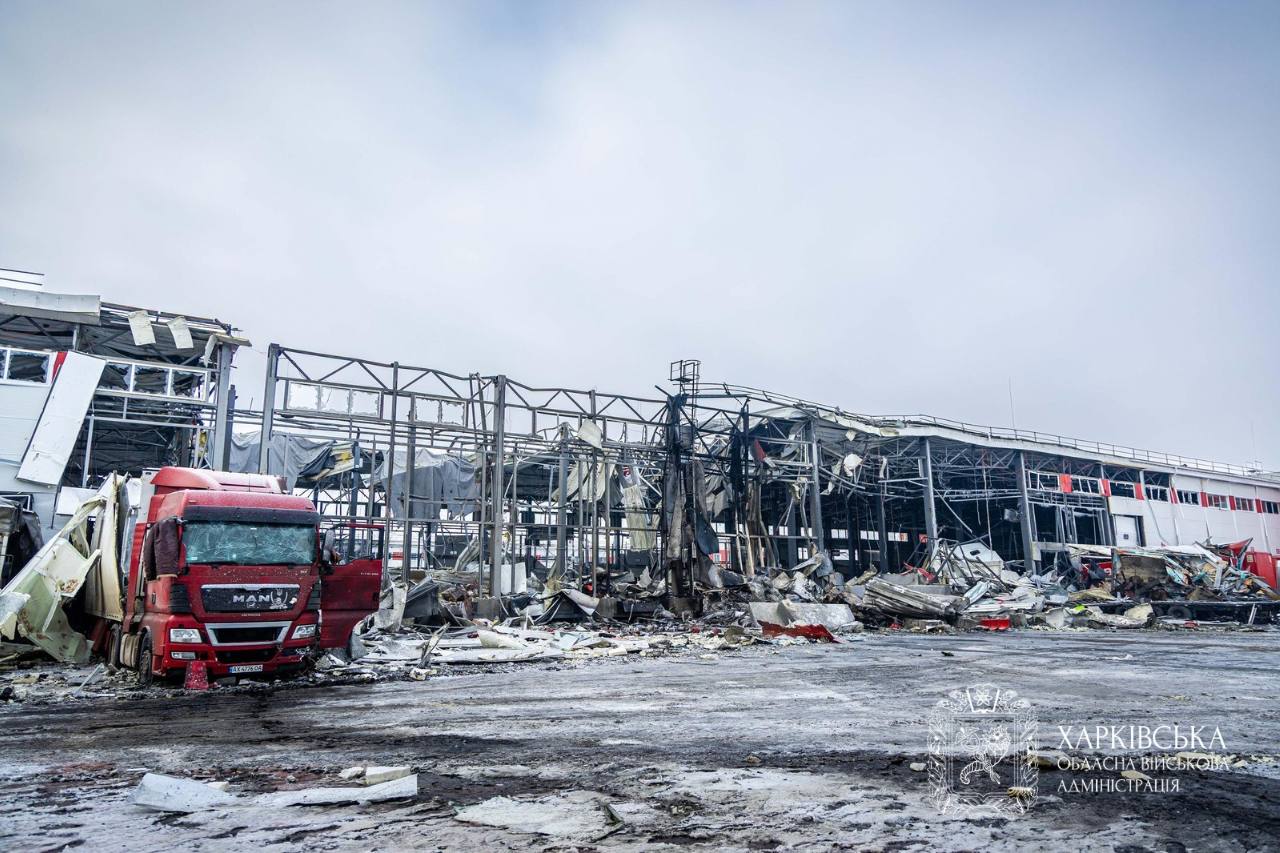
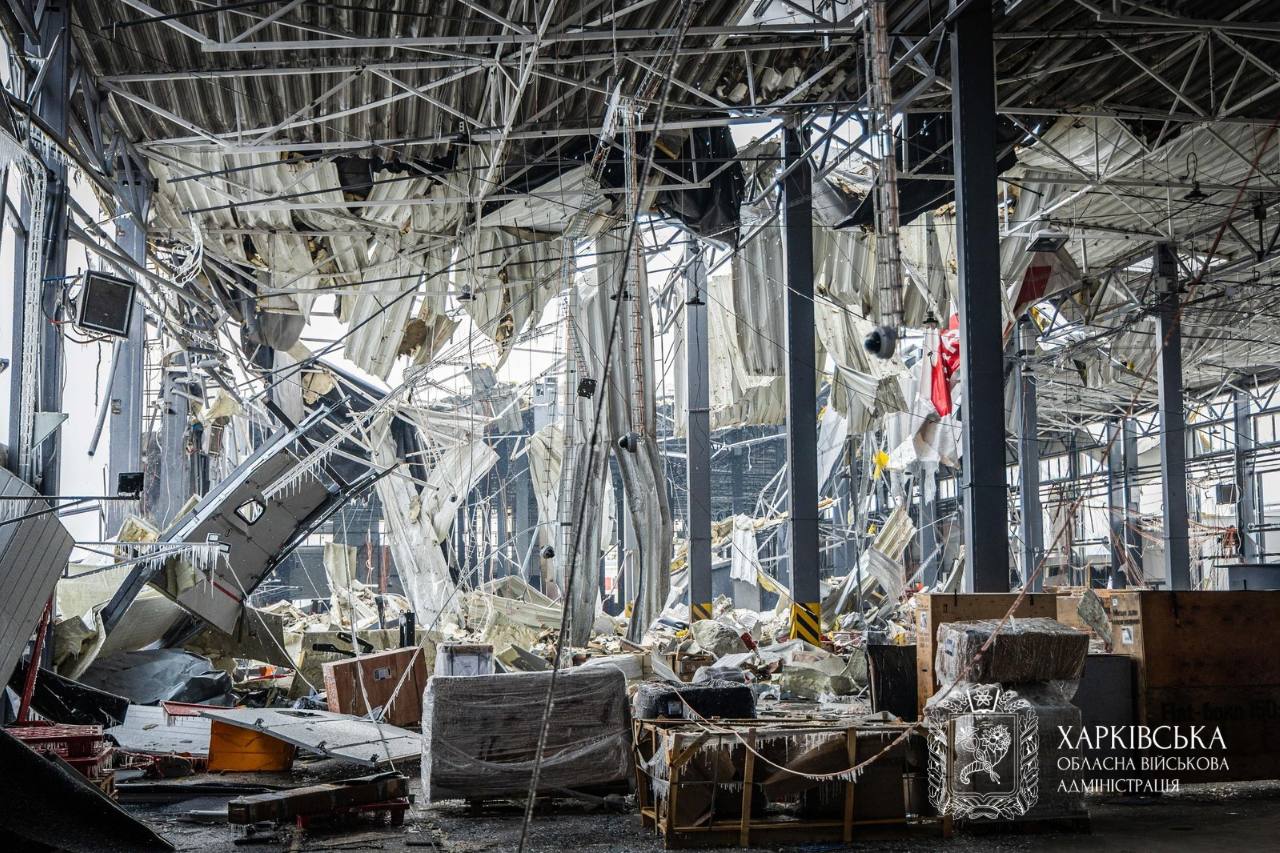
Oleh Syniehubov, the head of the Kharkiv Oblast Military Administration, and Dmytro Yatsychenko, head of the pre-trial investigation oversight department of the Kharkiv Oblast Prosecutor’s Office, told Suspilne that on the night of January 13, a combined Russian missile and drone attack on the Kharkiv suburbs killed four civilians. Another six people sustained injuries of varying degrees of severity. Nova Poshta and the State Emergency Service (SES) also confirmed these details.
According to Yatsychenko, the Russians employed a ‘double-tap’ strike tactic. First, the Russian occupiers attacked with ballistics, and subsequently, with strike drones. Rescuers were forced to perform search operations and deblock the victims who were trapped under the rubble.
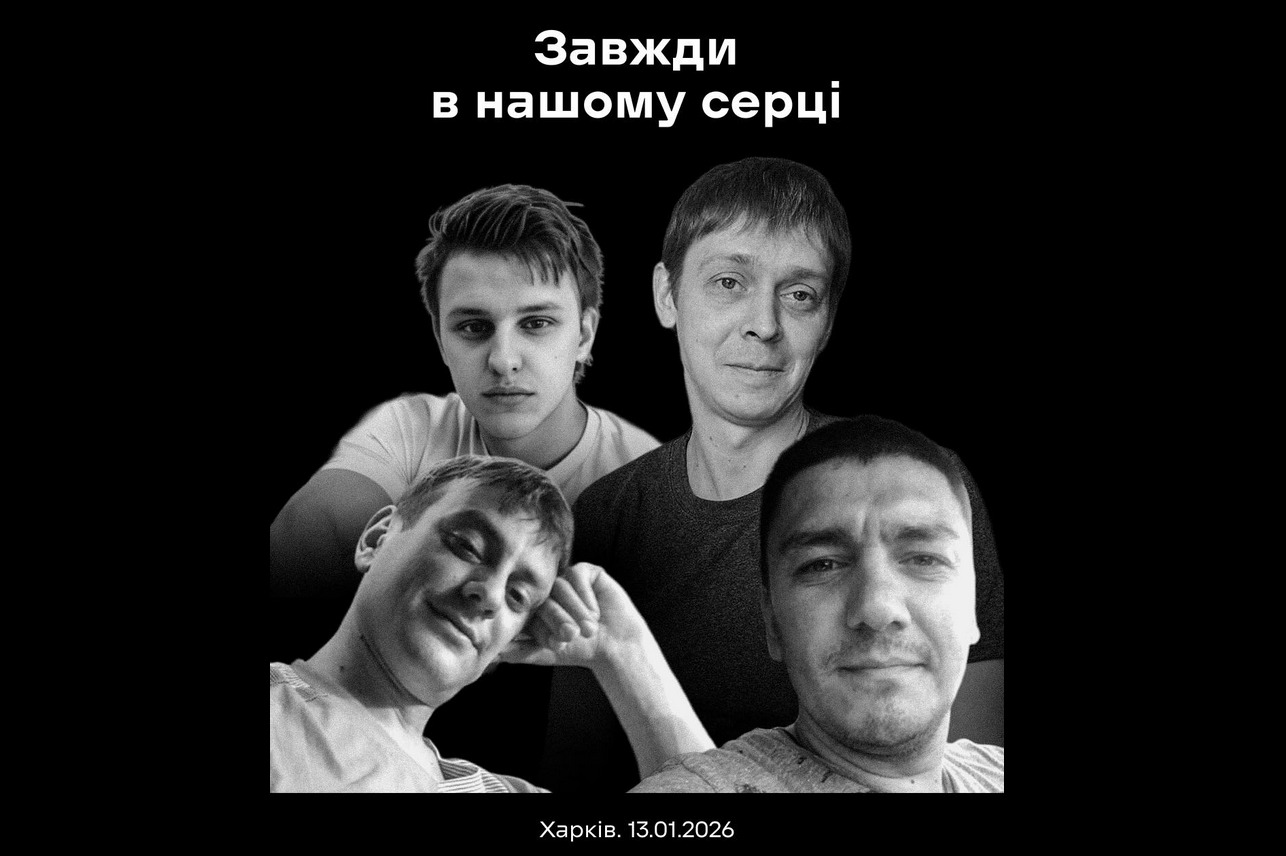
Nova Poshta later clarified that as a result of the Russian missile strike, four of the company’s employees were killed: two sorting center workers and two drivers from a partner expedition company.
The company released the names of the deceased:
- Viktor Parkhomenko, 37;
- Taras Vovk, 34;
- Yevhenii Yermakov, 39;
- Dmytro Zakharov, 23.
“This is an unspeakable pain that will forever remain in our hearts. Eternal and bright memory to our colleagues. Sincere condolences to their families and loved ones,” Nova Poshta stated.
Kharkiv Mayor Ihor Terekhov also reported that a Russian drone attacked the Shevchenkivskyi District of the city of Kharkiv on the night of 12-13 January, hitting a children’s medical facility and causing a fire.
In addition to the fatalities in the Donetsk, Kharkiv, and Kherson regions, a total of 14 people are known to have been injured due to Russian strikes.
In the Donetsk Oblast, this refers to three neighbors of the deceased from Starovarvarivka and Druzhkivka, and in the Kharkiv Oblast, to six residents of the regional center and three people in the Bohodukhiv District.
In the Kherson Oblast over the past 24 hours, the Russians wounded two 57-year-old women from Kherson with artillery. One was diagnosed with a mine-blast injury and a shrapnel wound to the chest. The other – a mine-blast injury, a concussion, and a head wound.
In Odesa, which was one of the targets of Russia’s massive attack on the night of January 12, two people were injured. Another 44-year-old woman sustained injuries after Russians launched a guided aerial bomb (KAB) at Novoukrainka in the Zaporizhzhia Oblast; no details regarding her condition were provided.
In the Dnipropetrovsk Oblast, Russian strikes throughout the day injured two elderly residents: first, a 69-year-old woman in the Zelenodolsk “hromada,” a local government area that includes one or more nearby settlements, and during the night of January 13, an 86-year-old man.
The Air Force of the Armed Forces of Ukraine reported that the Russian military has launched 25 missiles and 293 attack UAVs against Ukraine since the evening of January 12. Ukraine’s air defence has downed 247 targets, but strikes have been recorded at 24 locations.
The Air Force said Russia launched 18 Iskander-M ballistic missiles, or S-300 guided anti-aircraft missiles from Russia’s Kursk, Bryansk, and Voronezh oblasts and from temporarily occupied Crimea, as well as seven Iskander-K missiles from Russia’s Kursk and Belgorod oblasts.
It also reported that 293 UAVs of various types were launched from the directions of Russia’s Kursk, Oryol, Shatalovo, Millerovo, and Primorsko-Akhtarsk, as well as from Kacha in Crimea. About 200 of the UAVs were Shahed attack drones.
To provide background, on January 11, Russian shelling killed one person in Ukraine, and in total, over nearly four years, more than 14,500 civilians have been killed.
The UN Human Rights Monitoring Mission in Ukraine (HRMMU) reported in its monthly report regarding civilian harm that, as a result of Russian attacks throughout 2025, 2,514 civilians were killed in Ukraine, and another 12,142 people were injured. 2025 mortality figures were nearly one-third (31%) higher than in 2024, marking the highest toll since the start of the full-scale invasion, with the exception of 2022.
The HRMMU noted that 63% of deaths among Ukrainians in 2025 occurred in frontline areas. The enemy’s increased attempts to seize territory led to the killing and wounding of civilians, the destruction of vital infrastructure, the cessation of essential services, and new waves of displacement.
Earlier, Bohdan Bernatskyy, a member of the Sanctions Policy Working Group of the Crimean Platform Expert Network, revealed at the Third Parliamentary Summit in Latvia that over 1,300 Russian military companies and 2 million industrial workers continue to operate, many without international restrictions.
Ukrainian experts point out that countries including China, North Korea, Hungary, Slovakia, Iran, and Brazil assist Moscow in killing Ukrainians in its war against Ukraine by funding the Russian budget through trade.
Meanwhile, Bloomberg reported that Iran has sold nearly $3 billion worth of missiles to Russia to aid Vladimir Putin’s nearly four-year-long war in Ukraine, according to an assessment from a Western security official.
Contracts with Moscow starting from October 2021 — before the war began — for ballistic and surface-to-air missiles amount to roughly $2.7 billion, said the official who spoke on condition of anonymity.
The purchases have included hundreds of Fath-360 short-range ballistic missiles, nearly 500 other short-range ballistic missiles, and approximately 200 surface-to-air missiles associated with anti-aircraft defense systems.
Previously, U.S. Senator Lindsey Graham stated on X that Donald Trump has given the green light to a bipartisan sanctions bill targeting Russia.
“After a very productive meeting today with President Trump on a variety of issues, he greenlit the bipartisan Russia sanctions bill that I have been working on for months with Senator Blumenthal and many others,” Graham wrote.
He reported that the decision was timely, arguing that “Ukraine is making concessions for peace and Putin is all talk, continuing to kill the innocent.”
He noted that the bill would allow Trump to punish countries that buy cheap Russian oil, which he said is fueling Putin’s war machine.
“This bill would give President Trump tremendous leverage against countries like China, India, and Brazil to incentivize them to stop buying the cheap Russian oil that provides the financing for Putin’s bloodbath against Ukraine. I look forward to a strong bipartisan vote, hopefully as early as next week,” he stated.
Meanwhile, Deputy Head of the Office of the President, Iryna Vereshchuk, during the presentation of the UN Humanitarian Needs and Response Plan for 2026, reported that Ukraine and the United Nations will appeal to donor countries for additional humanitarian funding in response to the crisis caused by Russian shelling of civilian infrastructure.
According to Vereshchuk, the UN plan was developed without fully accounting for the current winter crisis resulting from strikes on Ukraine’s civilian infrastructure and the subsequent lack of electricity, heating, and water supply for millions of Ukrainians, as reported by the Ukrinform news agency.