Zaporizhzhia nuclear plant loses external power for record three days: Russia blamed for manufacturing nuclear crisis at Europe’s largest power plant
The Guardian reported that external power to the Russian-occupied Zaporizhzhia nuclear plant has been cut for more than three days, a record outage that has prompted safety concerns over the six-reactor site on the frontline in Ukraine.
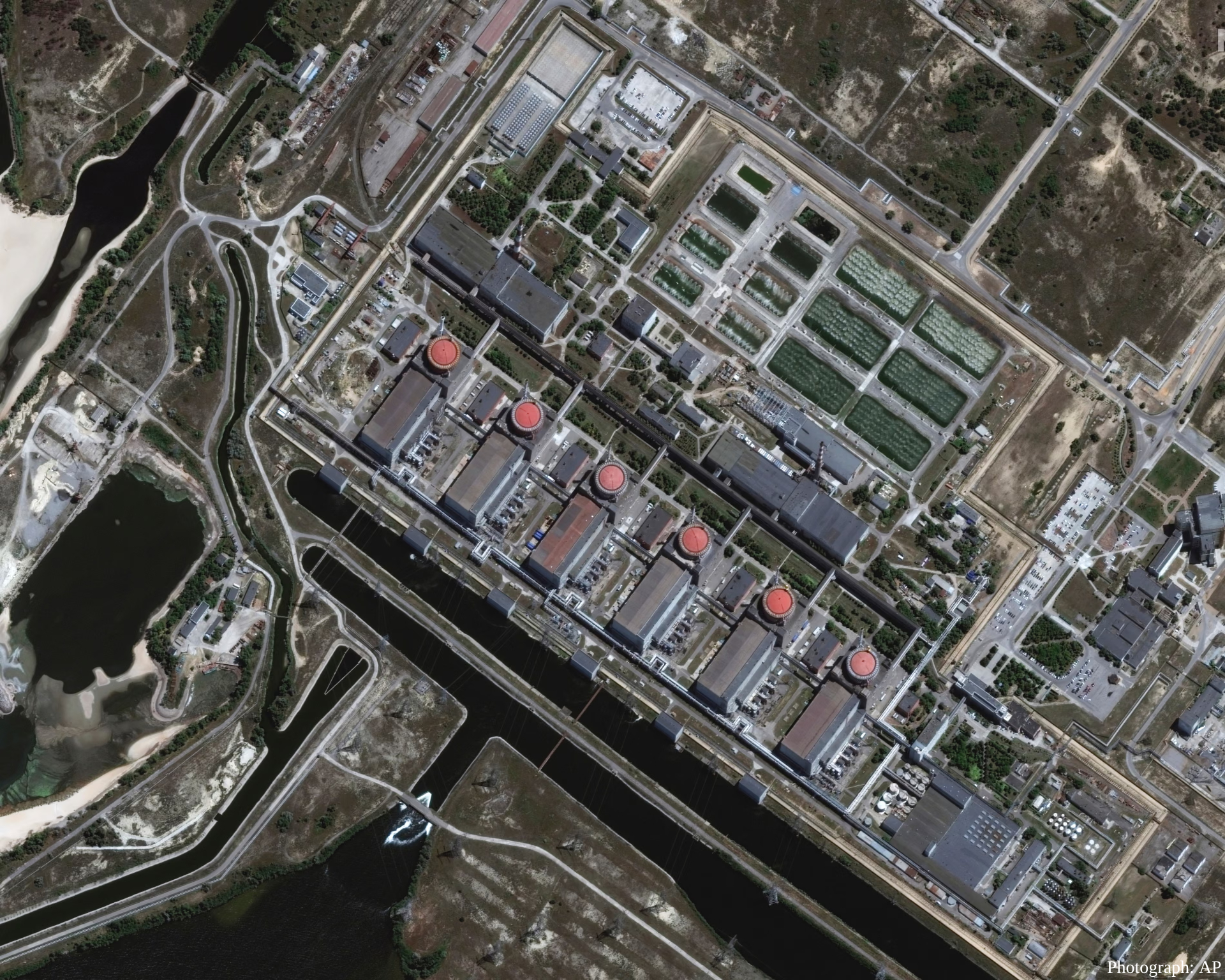 The Zaporizhzhia power plant has six reactors and was once capable of powering 4 million homes
Emergency generators are powering cooling and safety systems after the final power line into the plant was cut on the Russian side at 4:56 p.m. on 23 September 2025. There is no immediate sign that the line will be reconnected.
Rafael Grossi, the director general of the International Atomic Energy Agency (IAEA), described the situation the next day as “deeply concerning” and met Russian ruler Vladimir Putin on 25 September, but the situation has continued.
Western experts and Ukrainian officials fear the Kremlin is manufacturing a crisis to consolidate its grip over the plant, which is Europe’s largest, and that Russia is taking high-risk steps to turn on at least one reactor despite the wartime conditions.
“Russia is using the nuclear power station as a bargaining chip,” said one Ukrainian government official, while a specialist at Greenpeace said the Russian occupation had entered “a new critical and potentially catastrophic phase”.
Stress tests by European regulators after the 2011 Japanese reactor disaster at Fukushima indicated that a nuclear plant should be able to operate without external power for 72 hours. Going beyond that time limit is untried, Ukrainian sources said.
Russia seized the Zaporizhzhia nuclear plant in March 2022, and its reactors, once capable of powering 4 million homes, were put into cold shutdown for safety.
Ukraine regards the nuclear plant as its own, but the plant has cropped up in negotiations between US President Donald Trump and Putin. Trump has tried to suggest the US should take control, while the Kremlin has said it wants to restart all the reactors and connect them to the Russian grid – a task considered feasible only during peacetime.
External power has been lost at Zaporizhzhia nine times before. On each occasion, the damage was done in Ukrainian-held territory by Russian forces striking energy infrastructure across the Dnipro. The final 750-kilovolt electricity line had run across the river, with Ukraine willing to supply energy to maintain safety.
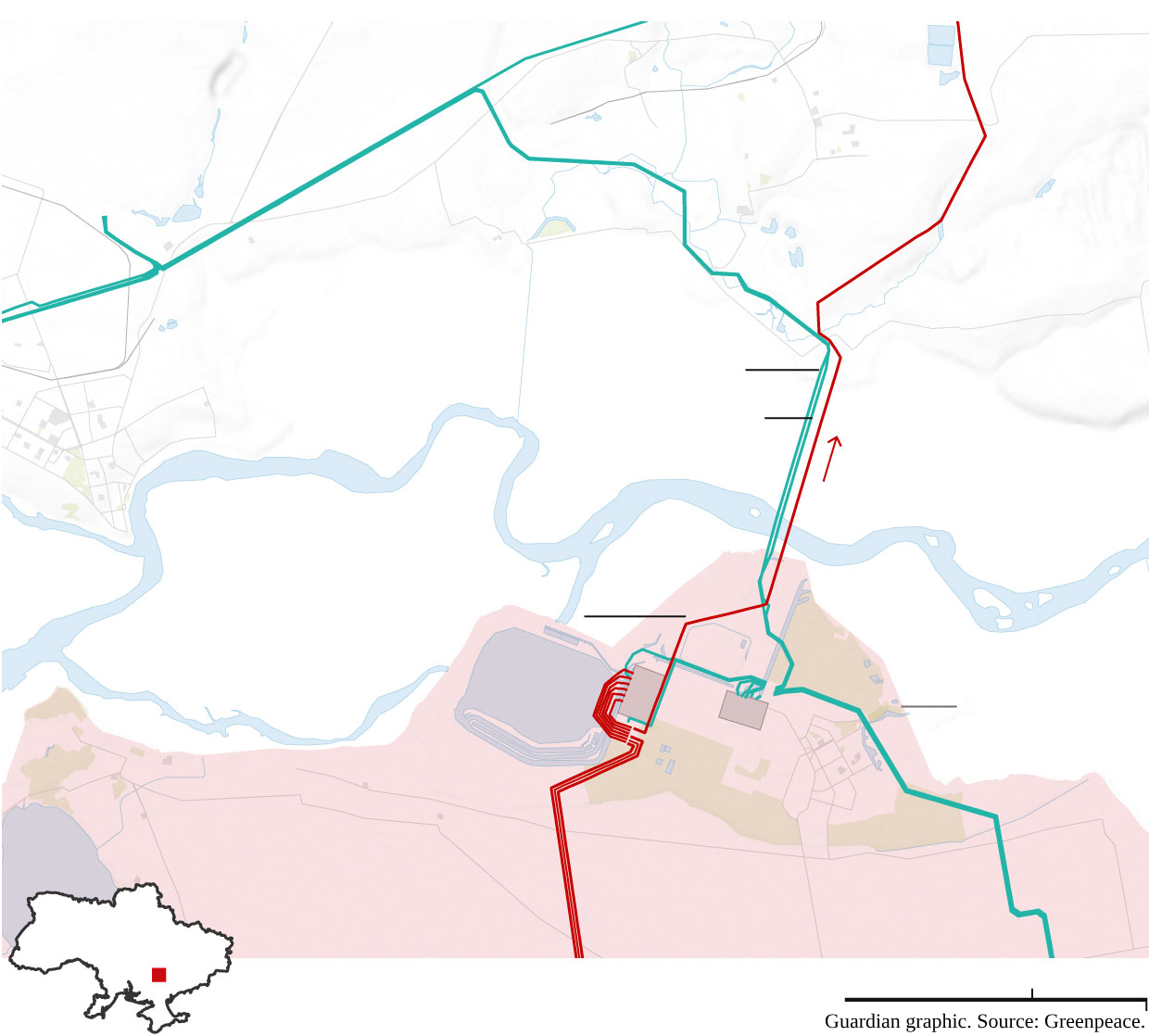
On 23 September, the line was damaged on the Russian side, about a mile from the plant. The plant’s Russian operators said repair efforts were “complicated by ongoing shelling by the Ukrainian armed forces”, though Ukraine says it never fires at or around the plant, arguing it would be unacceptably risky.
The IAEA said the Russian operators had told it that there was enough diesel to power the generators for 20 days without fuel resupply. But Grossi said the loss of external power “increases the likelihood of a nuclear accident.”
Seven out of 18 available generators power cooling on site, but if they were to fail, Ukrainian sources said, there would be a risk that the nuclear fuel in the six reactors would heat uncontrollably over a period of weeks, leading to a meltdown.
An accelerated version of this scenario happened during the Fukushima nuclear accident because the reactors had just been operating. A 9.0-magnitude earthquake struck Japan, and the reactors at the site shut down automatically. Emergency generators continued to pump cooling water around the reactor, but a tsunami that followed minutes later knocked these out. Three nuclear cores at the plant melted down within three days, though the fuel remained contained. Nobody was killed, but more than 100,000 were evacuated.
Stay connected with us via X, BlueSky, and LinkedIn – and while you’re here, please spare five minutes to fill out our survey and tell us what you’d like to see next.