Man killed in Russian drone attack on civilian car in Dnipropetrovsk Oblast
Date:
20 August 2025
Add ZMINA as a source on Google
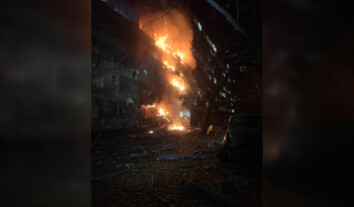
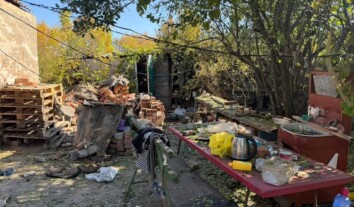
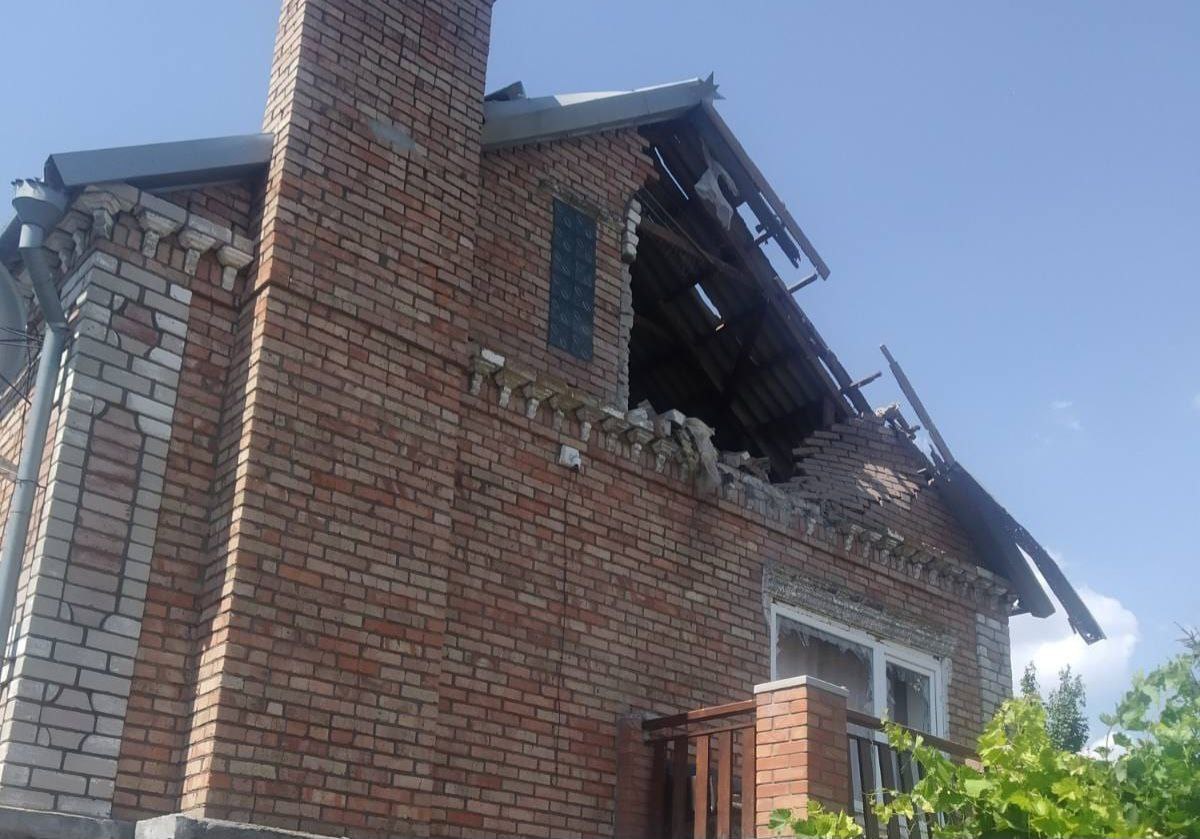
Russian forces killed a 62-year-old civilian man on August 20, 2025, when they hit his car with a first-person view drone in the Dnipropetrovsk Oblast, according to Serhii Lysak, head of the Dnipropetrovsk Oblast Military Administration.

“The enemy hit a car with an FPV drone in the Mezhova hromada of the Synelnykove District,” Lysak reported.
In an earlier attack, Lysak reported that throughout August 16, Russian forces attacked the Nikopol District with first-person view drones and artillery, bombarding the Nikopol, Marhanets, Pokrovske, Chervonohryhorivka, and Myrove hromadas. The strikes damaged company premises, infrastructure, and vehicles, and caused four houses to catch fire.
Russia used guided aerial bombs and drones to strike the Mezhova and Novopavlivka hromadas in the Synelnykove District, damaging residential buildings, a gas pipeline, and infrastructure facilities.
On the morning of August 15, the Russian military killed two law enforcement officers in Sviatohirsk in the Donetsk Oblast during a patrol when their car came under fire.
 Valentyn Havrysh, a police driver with the local security police unit, and Roman Penkov, a senior district officer at department No. 4 in Sloviansk city of the Kramatorsk police department
Russians killed a woman in a guided bomb attack on August 14. Later, rescue workers retrieved the body of a woman from under the rubble of a residential building in the Mezhova hromada – a local government area that includes one or more nearby settlements, according to Lysak.


Additionally, according to Lysak, Russians attacked the Dnipropetrovsk Oblast with FPV drones and guided aerial bombs on August 6, killing four and injuring six civilians. That day, the Nikopol District was hit the hardest. Russian forces mainly used FPV drones for strikes in that area. They also fired artillery. The cities of Nikopol and Myrove, as well as the Marhanets and Pokrovske hromadas, came under attack.
Lysak reported that a 65-year-old woman was killed. Russian shelling had also killed another two men and a woman in Nikopol.
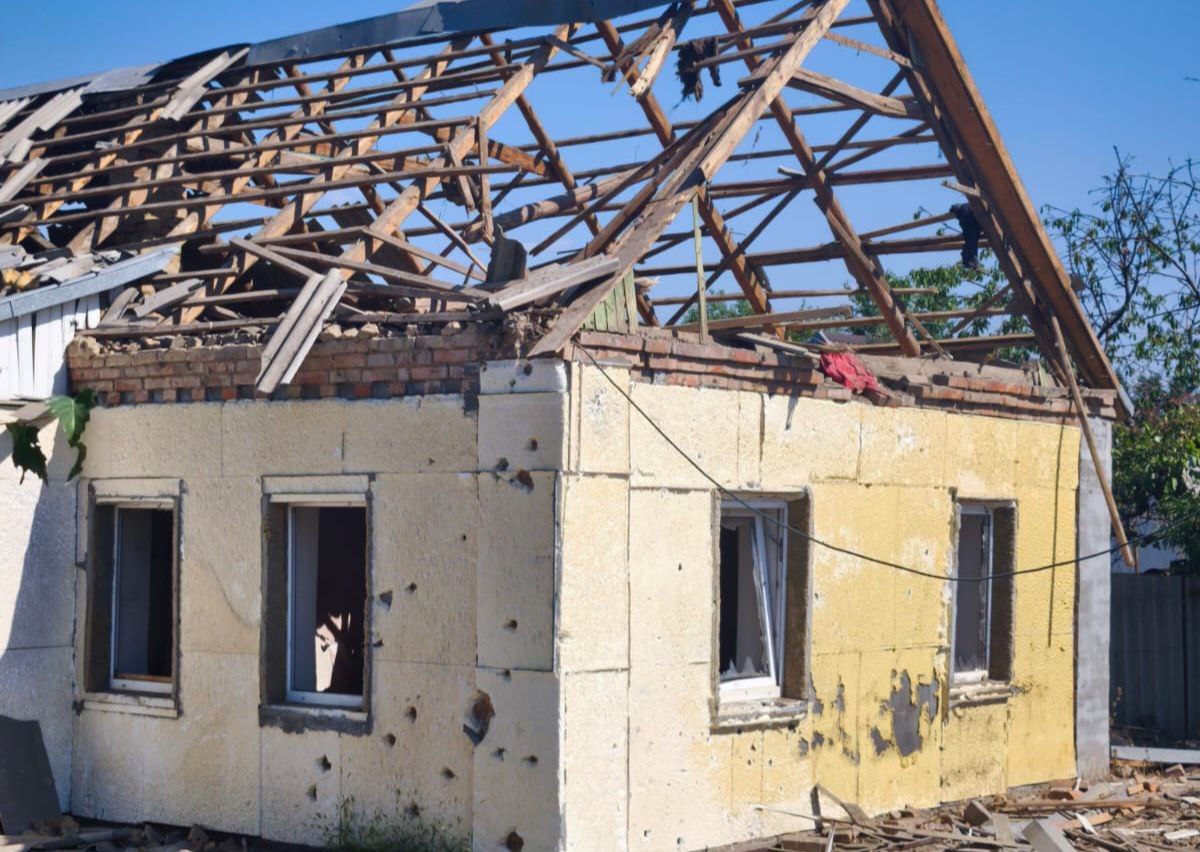
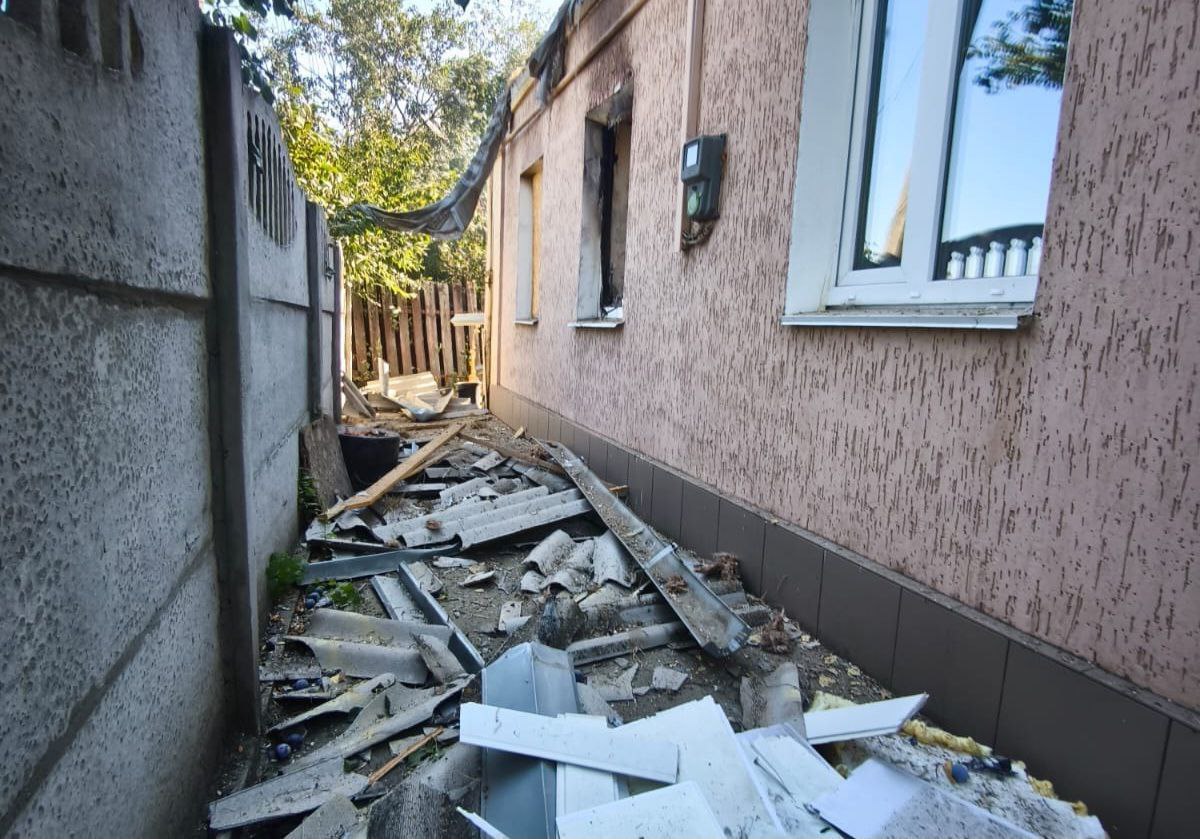
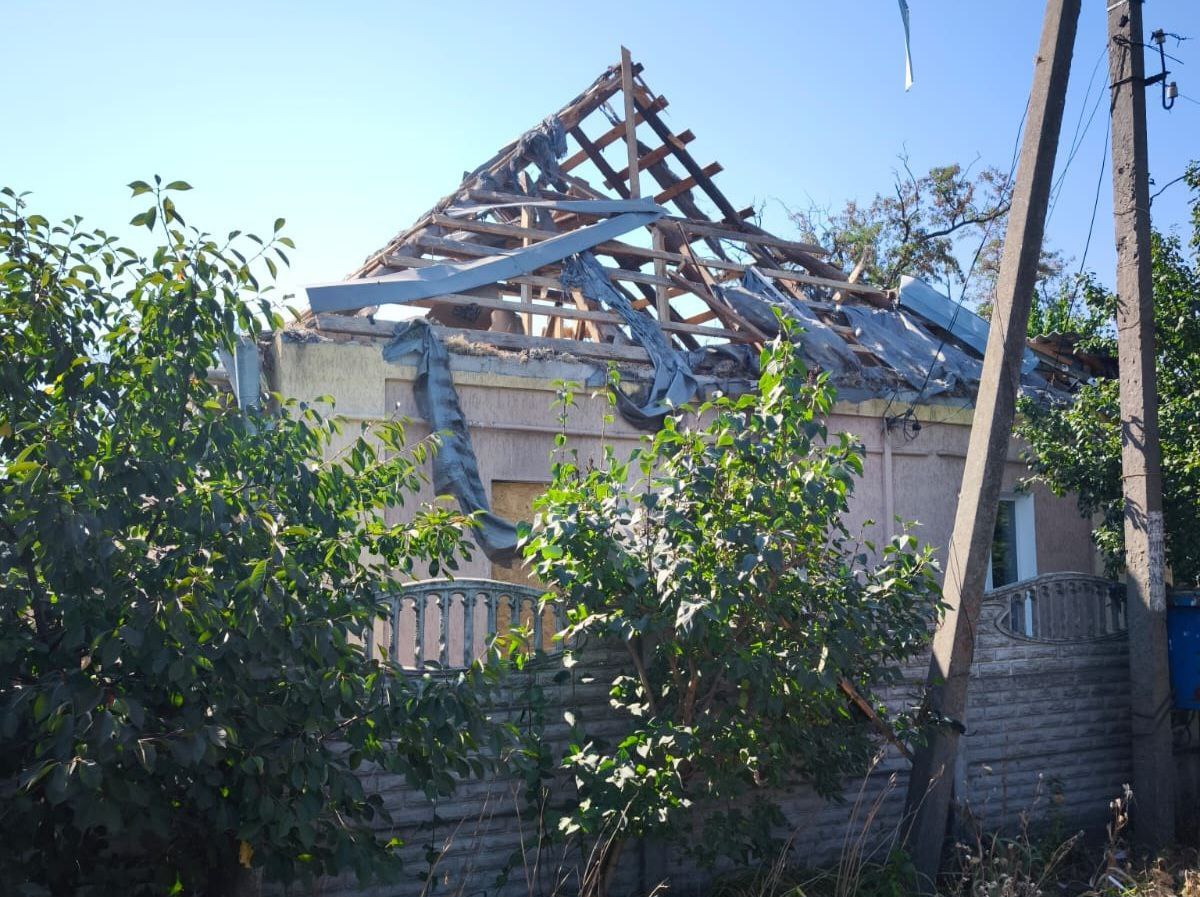
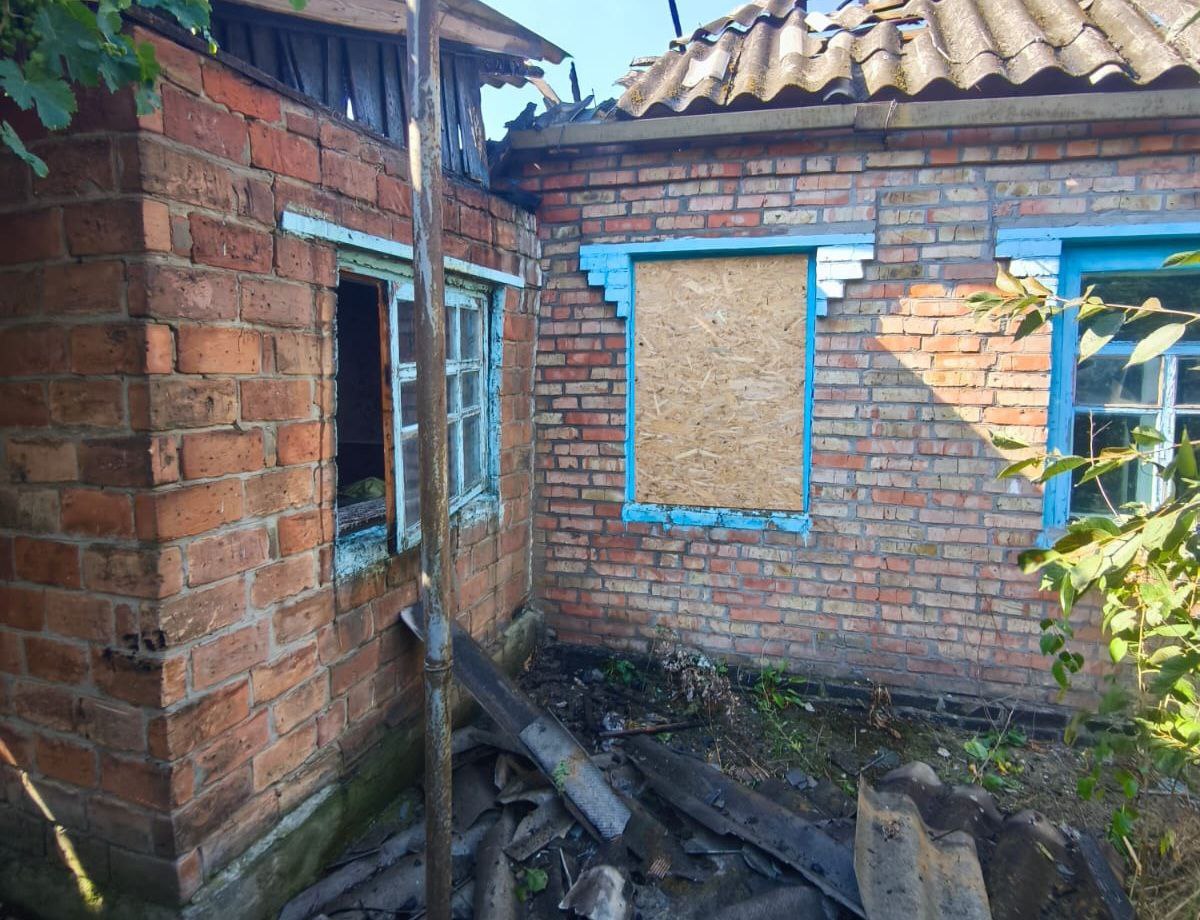
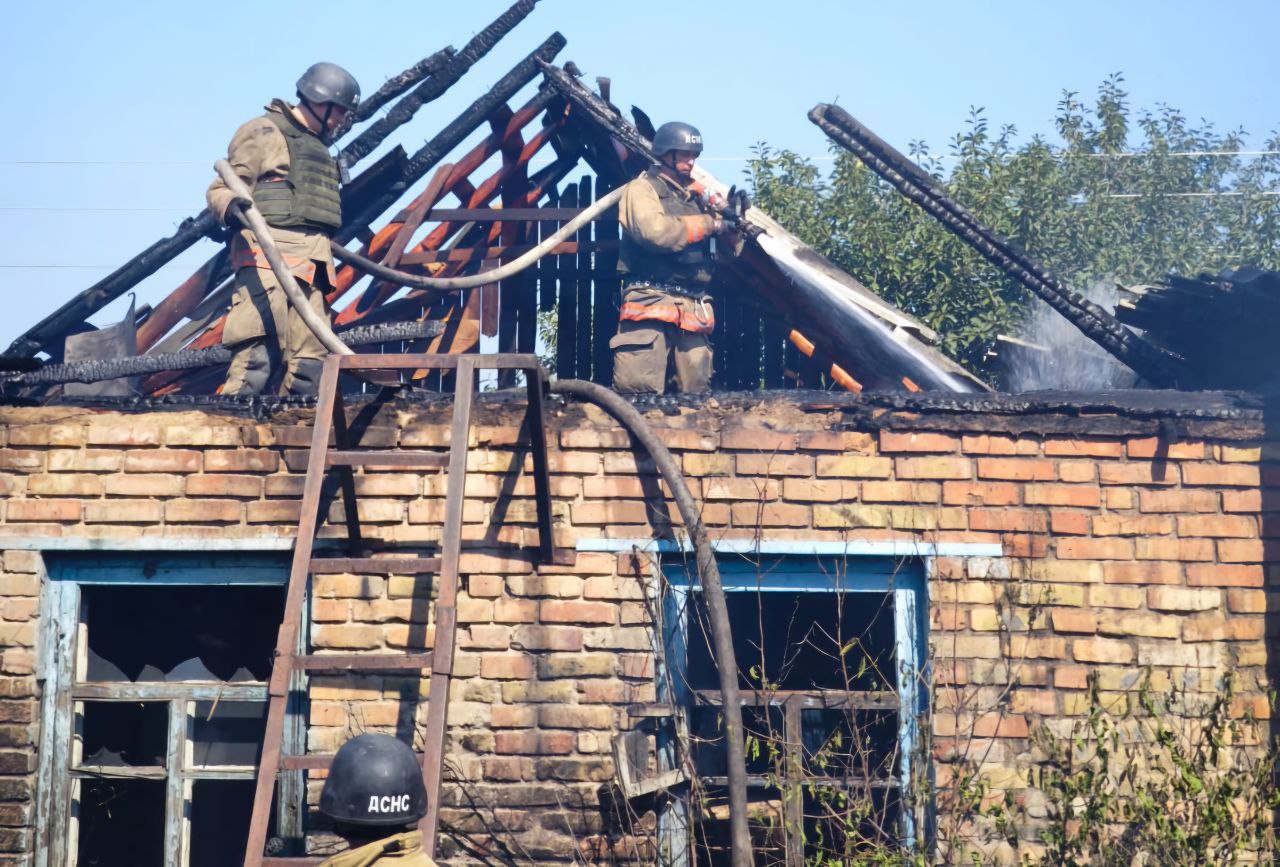
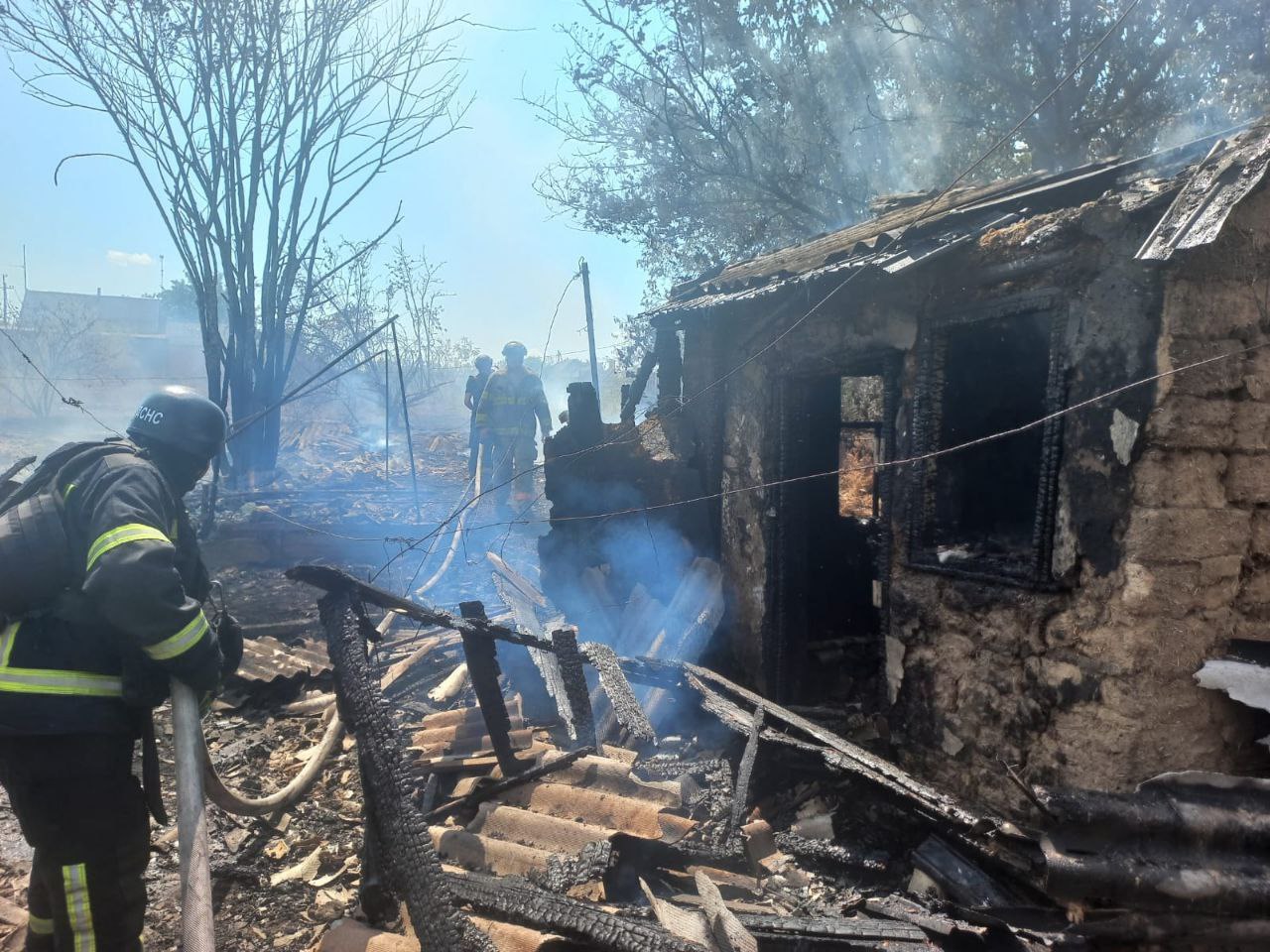
On August 4, Russians wounded three people, including a 4-month-old baby, in the Dnipropetrovsk Oblast. According to Lysak, Nikopol, as well as the Marhanets, Myrove, and Pokrovske hromadas, came under fire. Three people were injured and taken to a hospital. A four-month-old girl was in critical condition. Two women, aged 40 and 46, were in moderate condition. Lysak said Russian forces shelled the Nikopol District with artillery, attacked with FPV drones, and dropped munitions from UAVs that day.
A Russian attack injured two adults and two children in the Dnipropetrovsk Oblast on the night of July 31 – August 1, 2025, and damaged two farms, a lyceum, infrastructure facilities, houses, and cars, according to Serhii Lysak. A post office burned down.
Medical teams hospitalized the children, and rescue workers retrieved them from the rubble of a house in the Synelnykove District in the morning. The 15-year-old girl was in moderate condition; the 4-year-old boy was in serious condition.
Russian forces also attacked the Nikopol district. Russian troops hit the city of Nikopol; drones and artillery targeted the Chervonohryhorivka and Marhanets hromadas. The attacks injured a 25-year-old man; he is receiving outpatient treatment. The strikes damaged infrastructure facilities and cars in the Nikopol District.
Three people were killed, including Diana Koshyk, a pregnant 23-year-old woman, and another five were injured in a Russian missile strike on the city of Kamianske in the Dnipropetrovsk Oblast on the night of July 28-29, according to Lysak, the State Emergency Service of Ukraine. Two women were in a critical condition. One of them is pregnant. Three patients were in a moderate condition.
 Diana Koshyk
A three-storey building that was not in use was partially destroyed, and medical facilities – a maternity hospital and a department of the city hospital – were also damaged in the missile strike.
The Russians used artillery and UAVs for the above attack. They targeted the Marhanets and Pokrovske hromadas, as well as the city of Nikopol. Cars were damaged, and five houses and two outbuildings were hit.
The Russians also continued attacking the Synelnykove District. They used guided bombs and FPV drones to attack the Mezhova, Dubovyky, and Slovianka hromadas. One person was killed and two others were injured in the Russian strikes. Four houses, an office building, shops, a petrol station, and cars were damaged, and fires broke out.
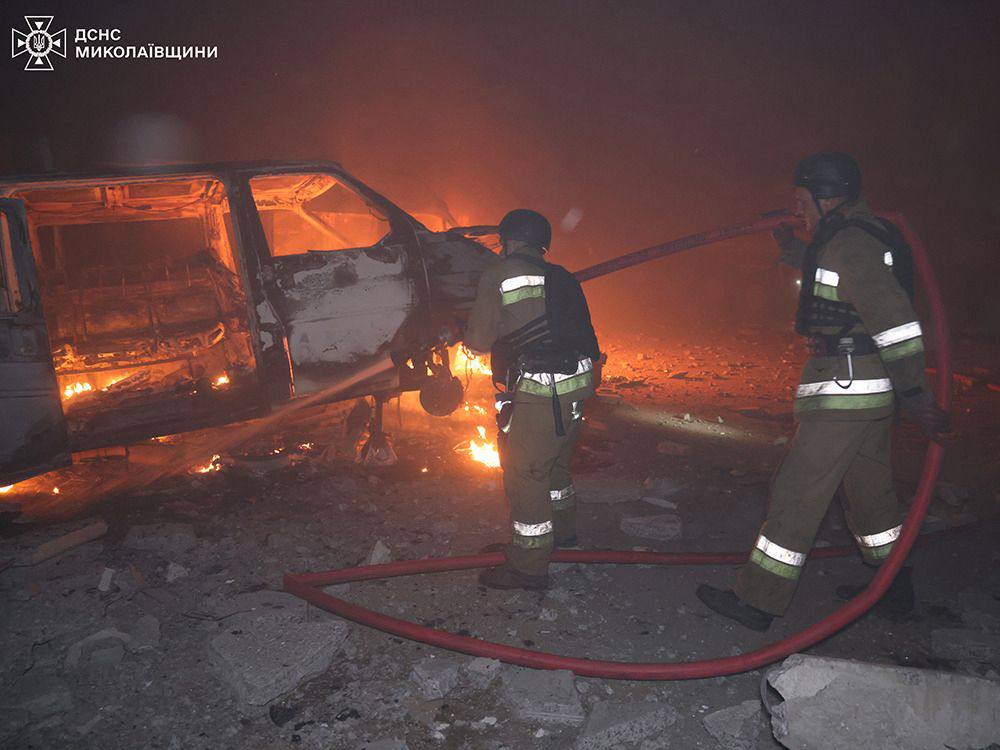
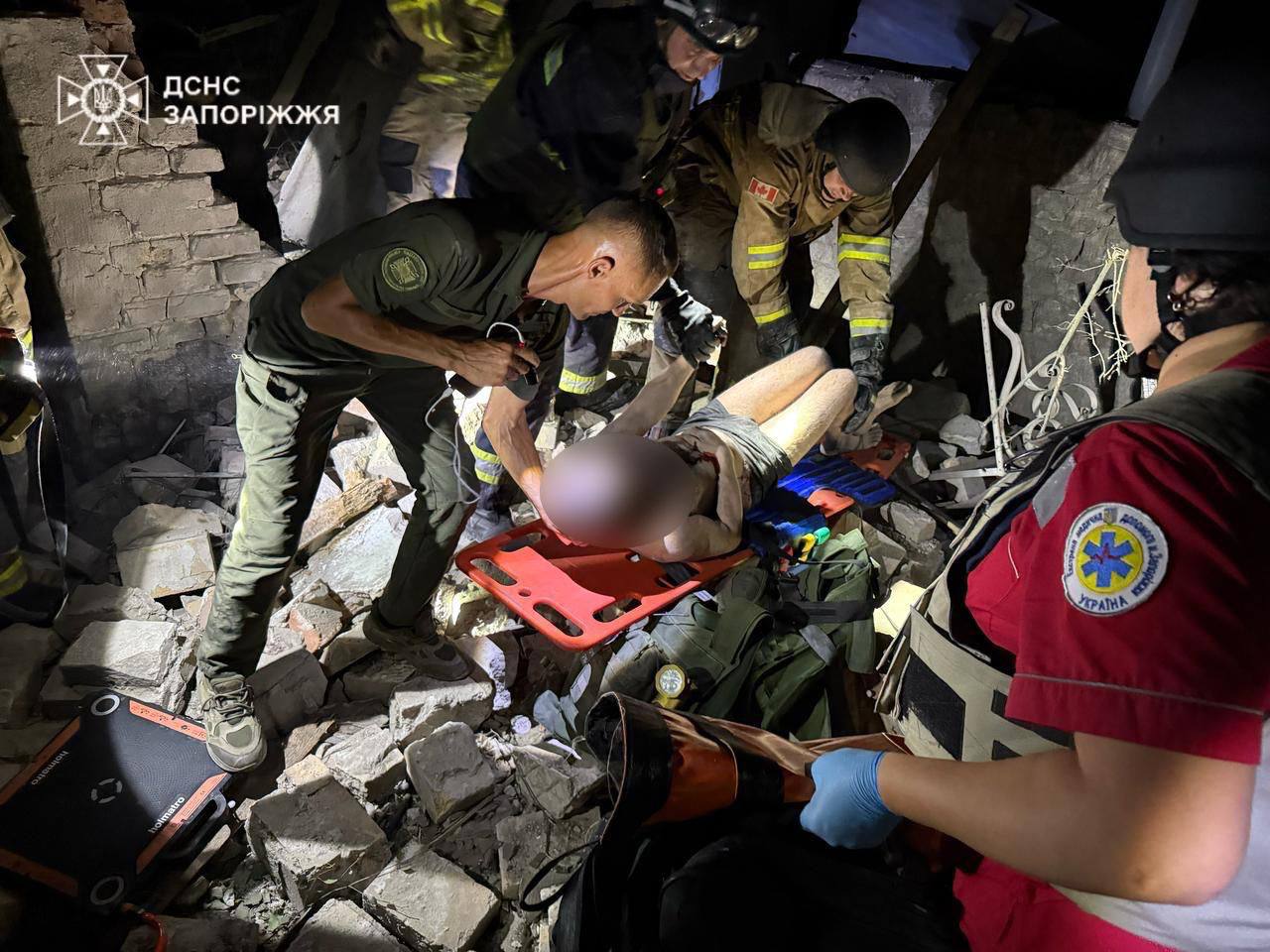
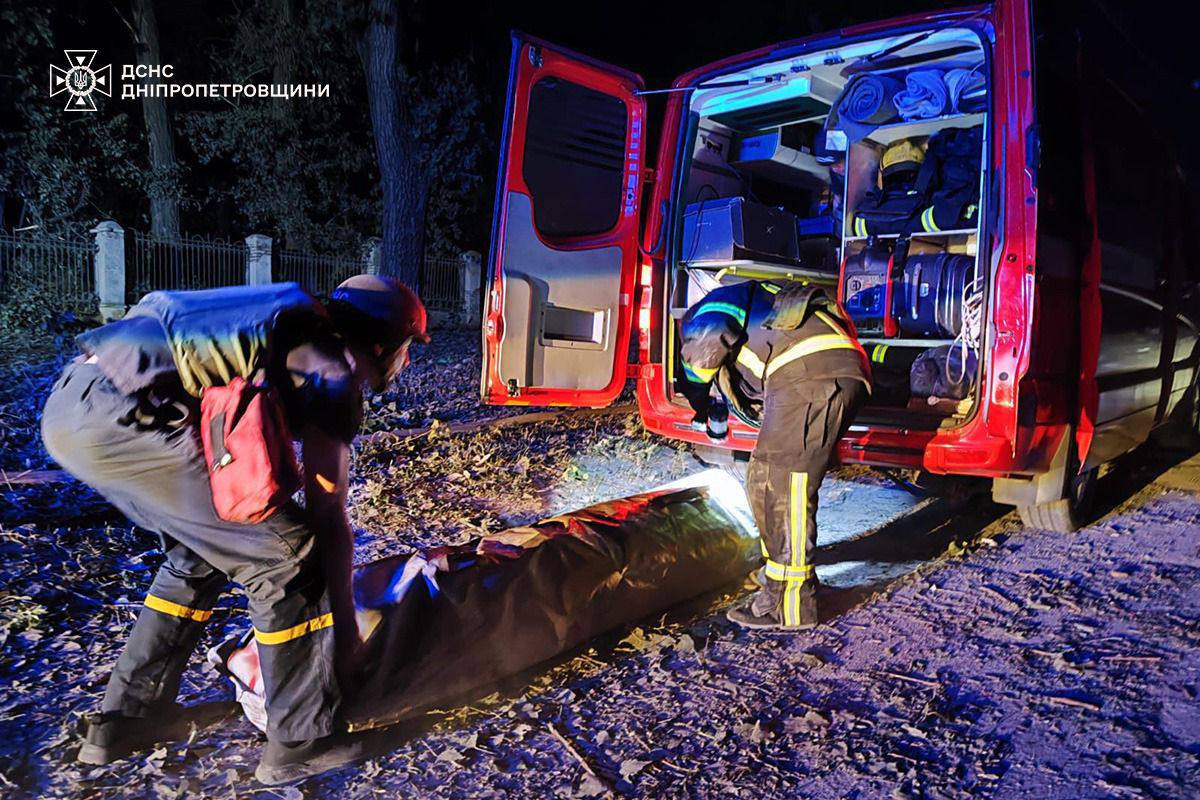
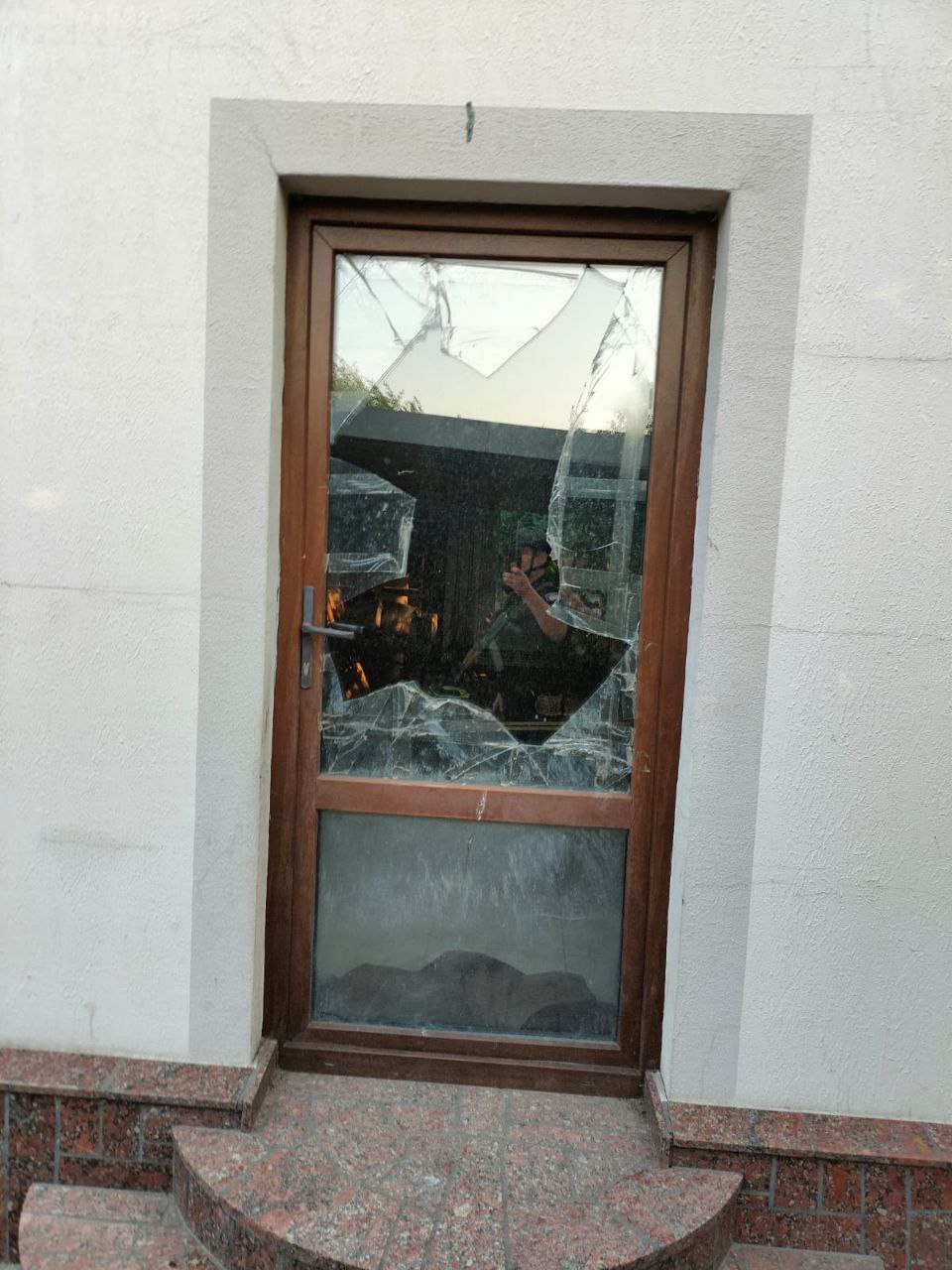
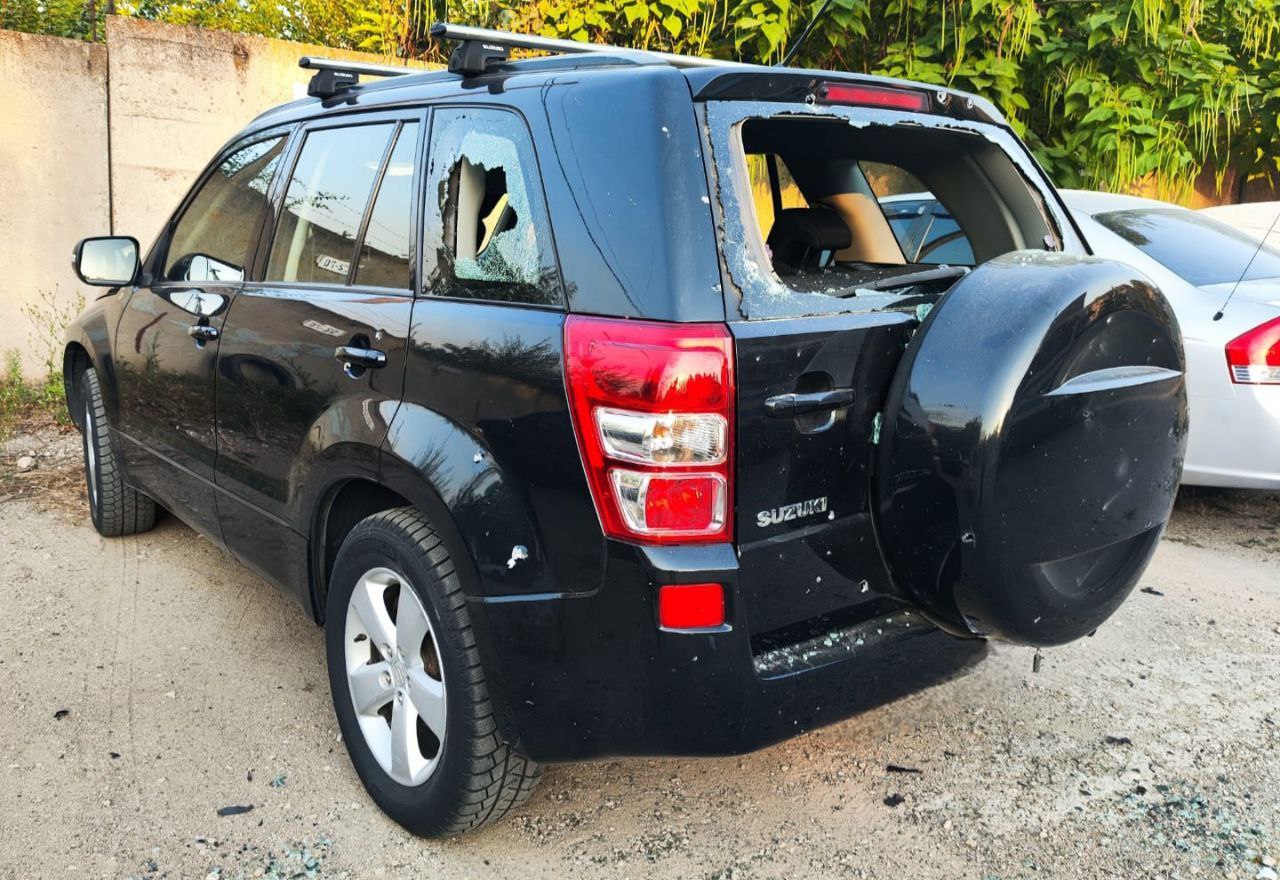

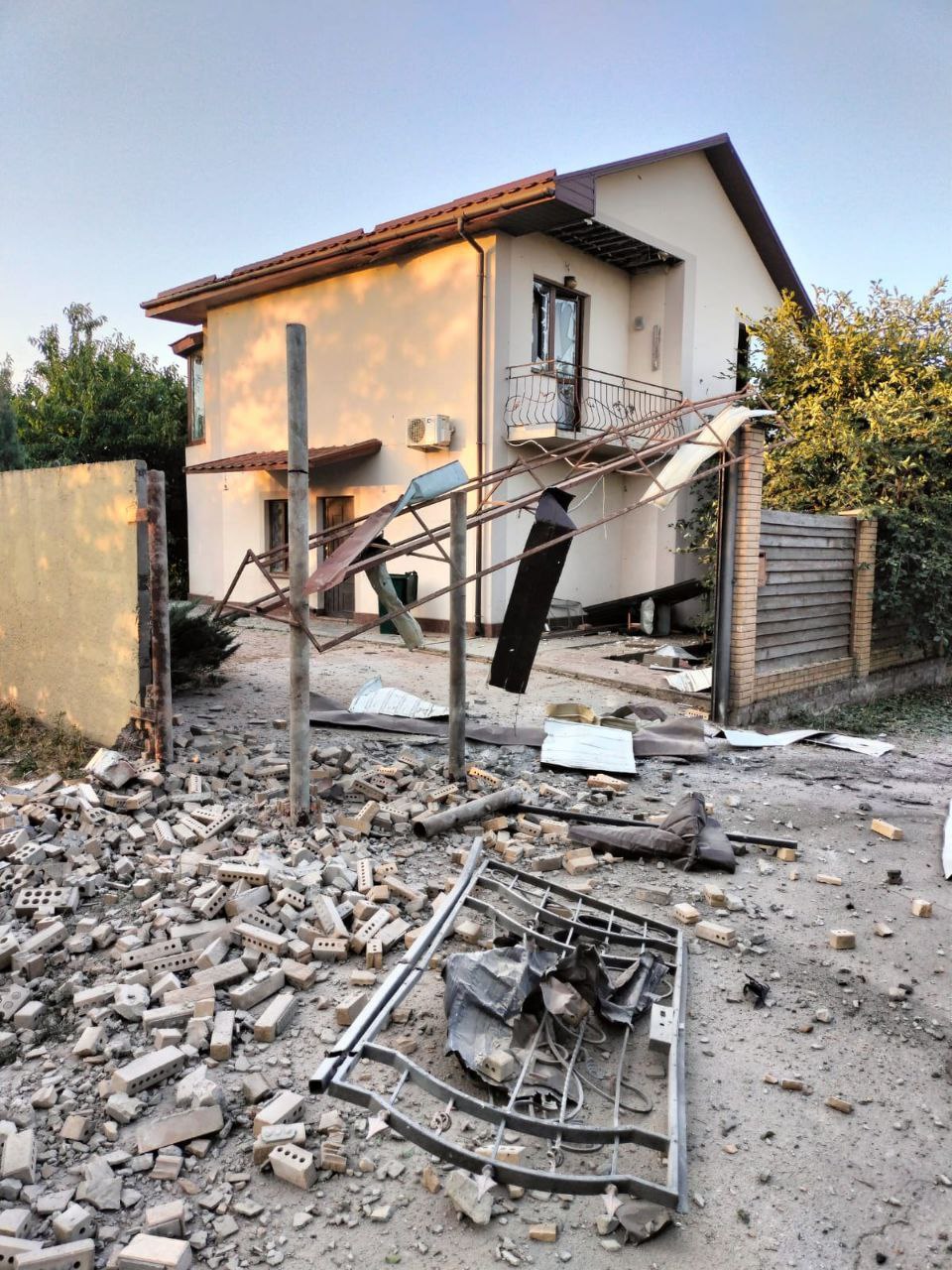
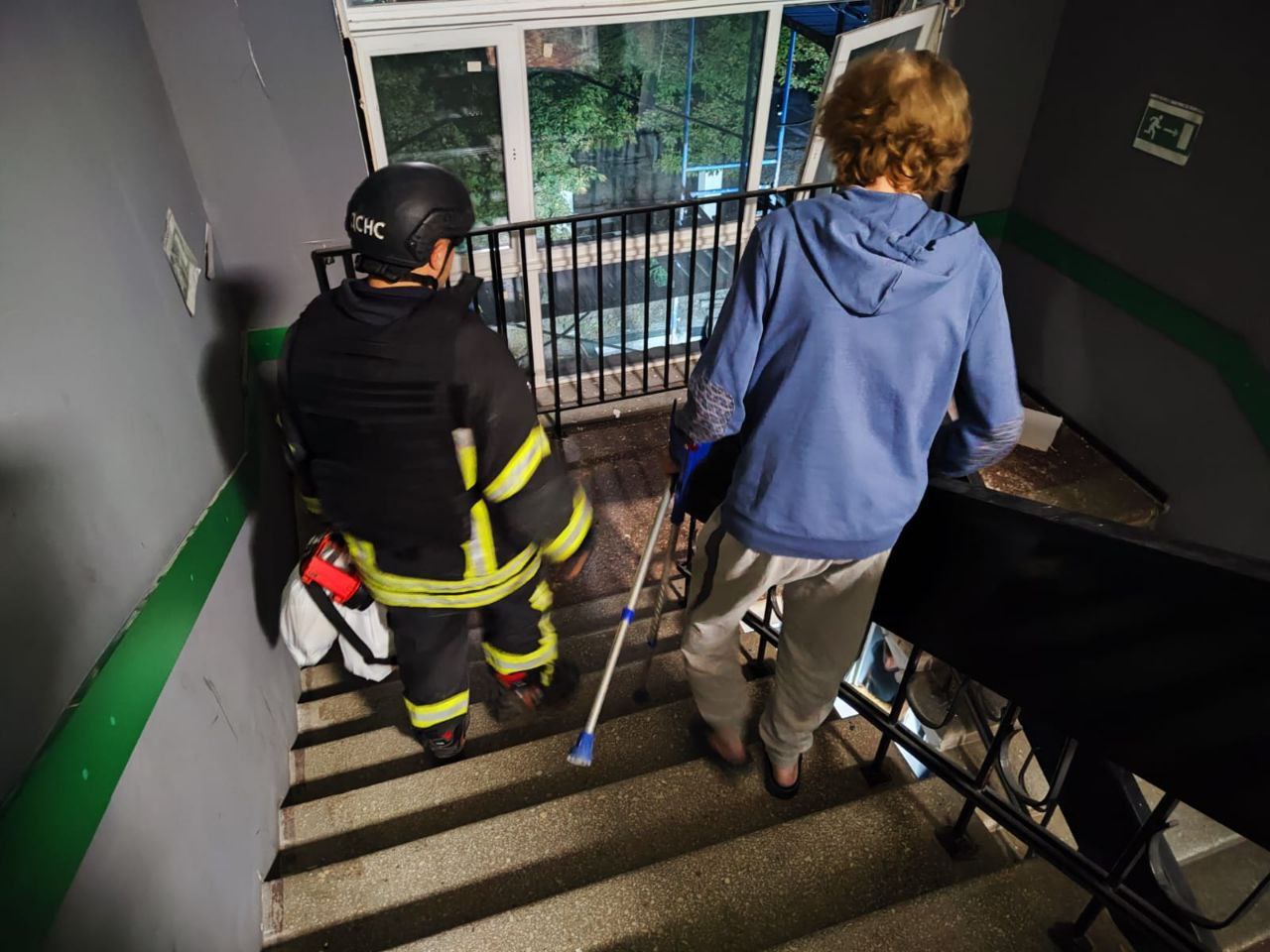
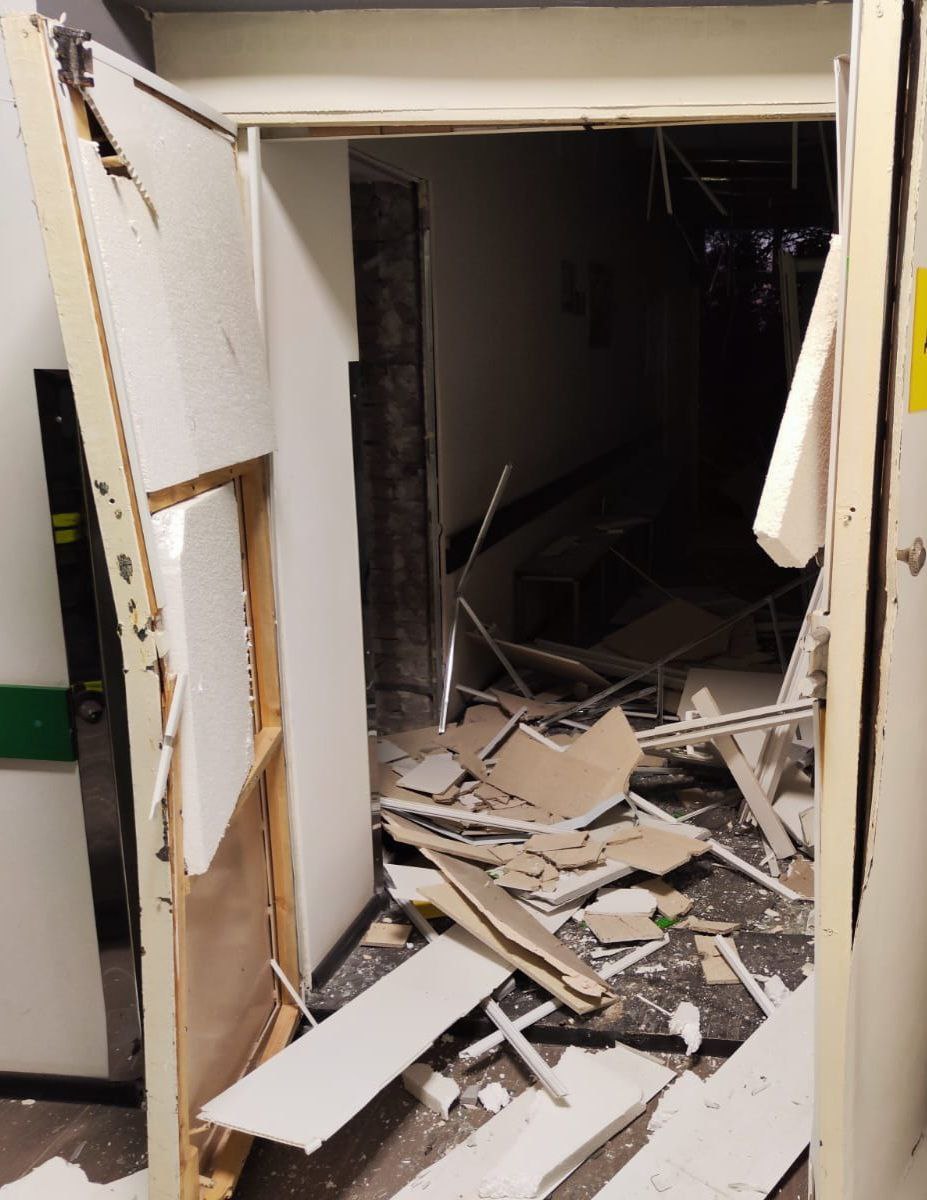
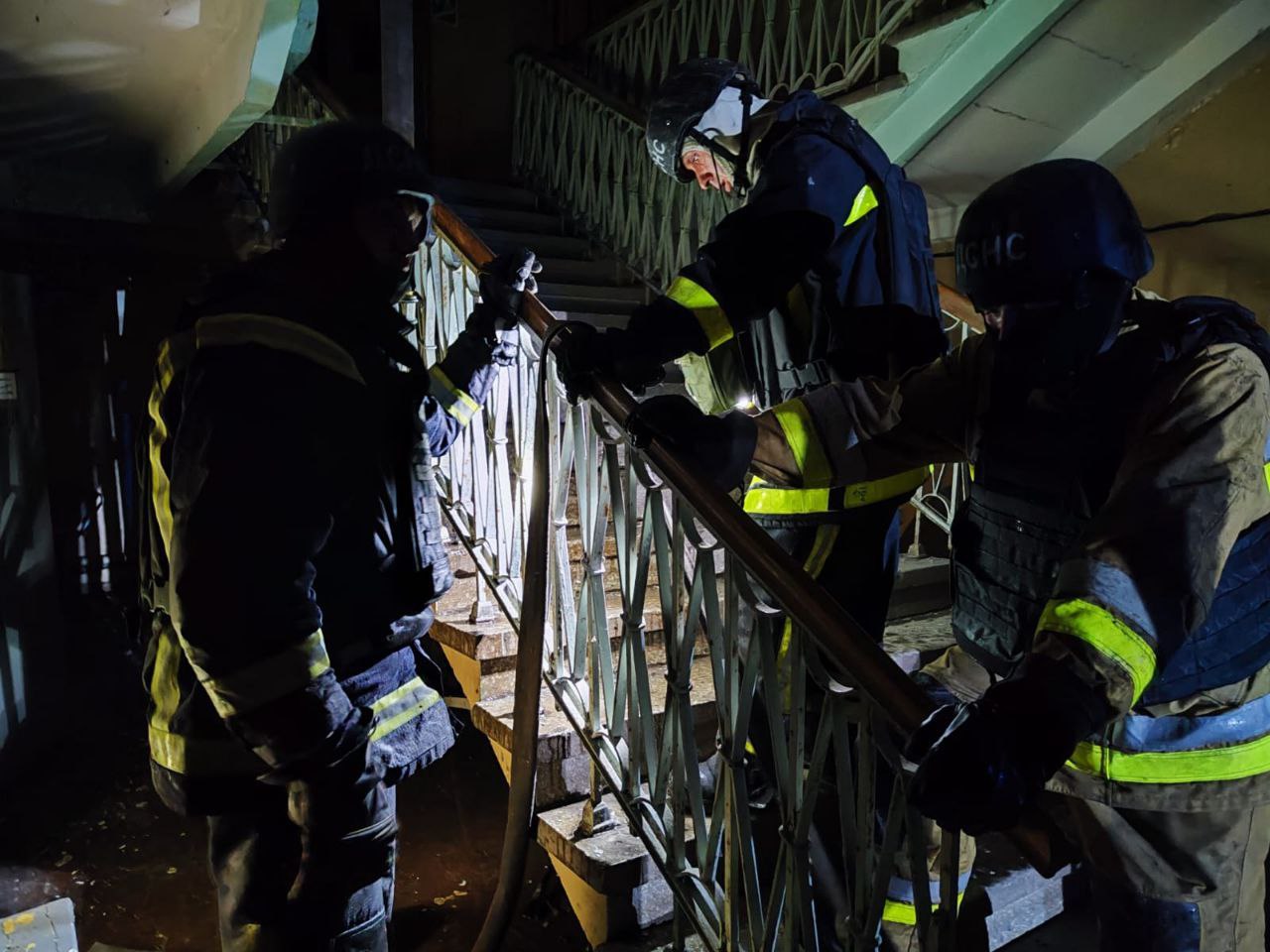

Russians also hit the Velykomykhailivka hromada in the evening that day with glide bombs, killing a 75-year-old woman and injuring a 68-year-old man.
A Russian attack killed an 88-year-old woman in the Velykomykhailivka hromada on July 13, according to the Dnipropetrovsk Oblast Military Administration. Guided airstrikes sparked a fire in a private yard, igniting a summer kitchen and a garage, authorities report. The attack damaged five houses. Russian forces later struck the city of Samar with drones, damaging infrastructure,
On July 10, Russians killed a 67-year-old man in the Pokrovsk hromada of the Nikopol District, in their FPV drone attack, according to Lysak.
Earlier, Bohdan Bernatskyy, a member of the Sanctions Policy Working Group of the Crimean Platform Expert Network, revealed at the Third Parliamentary Summit in Latvia that over 1,300 Russian military companies and 2 million industrial workers continue to operate, many without international restrictions.
It has been identified that several countries, including China, North Korea, Hungary, Slovakia, Iran, and Brazil assist Moscow in killing Ukrainians in its war against Ukraine by funding the Russian budget through trade.
Western intelligence agencies and media outlets have increasingly documented a sophisticated network of Chinese technology transfers bolstering Russia’s military capabilities in Ukraine. According to assessments the US Director of National Intelligence Avril Haines made on May 2, 2025, China has helped shift momentum in Russia’s favor in the Ukraine war by providing Moscow with technology.
The technology pipeline operates through dual-use exports—civilian technologies with military applications. These include advanced semiconductors, precision manufacturing equipment, and communications technology that Russian forces are incorporating into weapons systems and battlefield communications. Unlike direct military aid, these transfers occur through legitimate commercial channels, making them difficult to track and sanction.
China continues to purchase Russian oil, funding Russia’s military budget. Reuters reported that refineries in China are actively purchasing Russian oil, taking advantage of the opportunity to acquire petroleum products at discounted prices, which India has refused to purchase due to pressure from Washington.
Meanwhile, Reuters reported that U.S. Treasury Secretary Scott Bessent accused India of profiteering from its sharply increased purchases of Russian oil during Russia’s war in Ukraine, saying Washington viewed the situation as unacceptable. Bessent told CNBC in an interview on August 19 that Russian oil now accounted for 42% of India’s total oil purchases, up from under 1% before the war, and contrasted that with longtime buyer China, whose Russian oil purchases had increased to 16% from 13%.
Reuters also reported that Indian refiner Nayara Energy, backed by Russia and under European Union sanctions, is relying on a dark fleet to import oil and transport refined fuels, according to shipping reports and LSEG flows. Nayara, which controls about 8% of India’s 5.2 million barrel-per-day refining capacity, has been struggling to transport fuel since being placed under EU sanctions in July. This move prompted shippers to back out, somewhat lowering the volume of crude oil received by the refiner.
India, the world’s third-largest oil importer and consumer, abides by UN sanctions and not unilateral actions, allowing refiners to import oil and ship products in vessels also under EU sanctions.
In August 2025, Nayara has imported at least seven cargoes of Russian oil, including on sanctions-hit vessels Centurion, Mars 6, Pushpa, Horae, and Devika, formerly known as Apar, according to shipping reports and LSEG data. All were carrying about 700,000 barrels of Russian flagship Urals crude, the data shows.
Want more insight from Ukraine’s human-rights story? Follow ZMINA on X and LinkedIn – and share what matters to you via this short survey here.