China supplies Russian military with drone engines under guise of refrigerators – Reuters
According to three European security officials and documents reviewed by Reuters, Chinese-made engines are being covertly shipped via front companies to a state-owned drone manufacturer in Russia, labelled as “industrial refrigeration units,” to avoid detection in the wake of Western sanctions.
According to the sources and documents, the shipments have allowed Russian weapons maker IEMZ Kupol to increase its production of the Garpiya-A1 attack drone despite the U.S. and E.U. sanctions imposed in October designed to disrupt its supply chain. The documents included contracts, invoices, and customs paperwork.
An internal document from Kupol showed that the company signed a contract with the Russian Ministry of Defense to produce more than 6,000 Garpiya-A1 this year, compared with 2,000 in 2024. The document states that Kupol had already delivered more than 1,500 drones by April.
Russia uses the long-range drones to attack civilian and military targets deep inside Ukrainian territory, deploying about 500 such drones per month, Ukrainian military intelligence told Reuters.
China’s Foreign Ministry told Reuters that it was unaware of any parts exports for Garpiya-A1 drones and that it controls foreign sales of dual-use goods n accordance with its own legislation and international obligations.
The European Commission did not respond to Reuters’ request for comment.
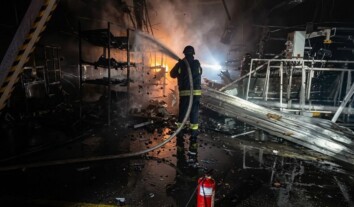
In the meantime, the Air Force of the Armed Forces of Ukraine reported that Russia unleashed an assault with 107 aerial attack assets on the night of July 23-24. Ukrainian air defence forces destroyed 90 drones and one missile.
The attack targeted Odesa, Mykolaiv, Sumy, Kharkiv, Donetsk, Cherkasy, and Zaporizhzhia Oblasts.
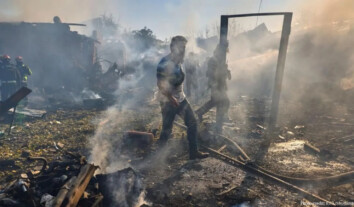
Russian forces have just carried out a strike with guided aerial bombs on the centre of the city of Kharkiv, as reported by Kharkiv Mayor Ihor Terekhov. The strike had occurred near the multi-storey residential building, and about 15 cars were burning at the scene.
At least 33 people have been injured in this attack by Russians on Kharkiv, according to Oleh Syniehubov, the head of the Kharkiv Regional State Administration.
Among the victims are a 10-year-old girl and a 28-day-old infant, both of whom suffered an acute stress reaction. A 17-year-old boy sustained blast injuries, including damage to the head.
As of 5 p.m., updated data from the Kharkiv Oblast Prosecutor’s Office shows that the casualties have risen to 41 people. Six of them are children: four girls aged 28 days, 1, 10, and 17 years, and two boys aged 2 months and 17 years.
Currently, six people remain in hospitals, including two children: a 17-year-old boy and a one-year-old girl, both in moderate condition. One woman remains in serious condition.
Russian forces also shelled civilian infrastructure and railway rolling stock in Odesa during the night of July 24, the press service of Ukrzaliznytsia (Ukrainian Railways) reported.

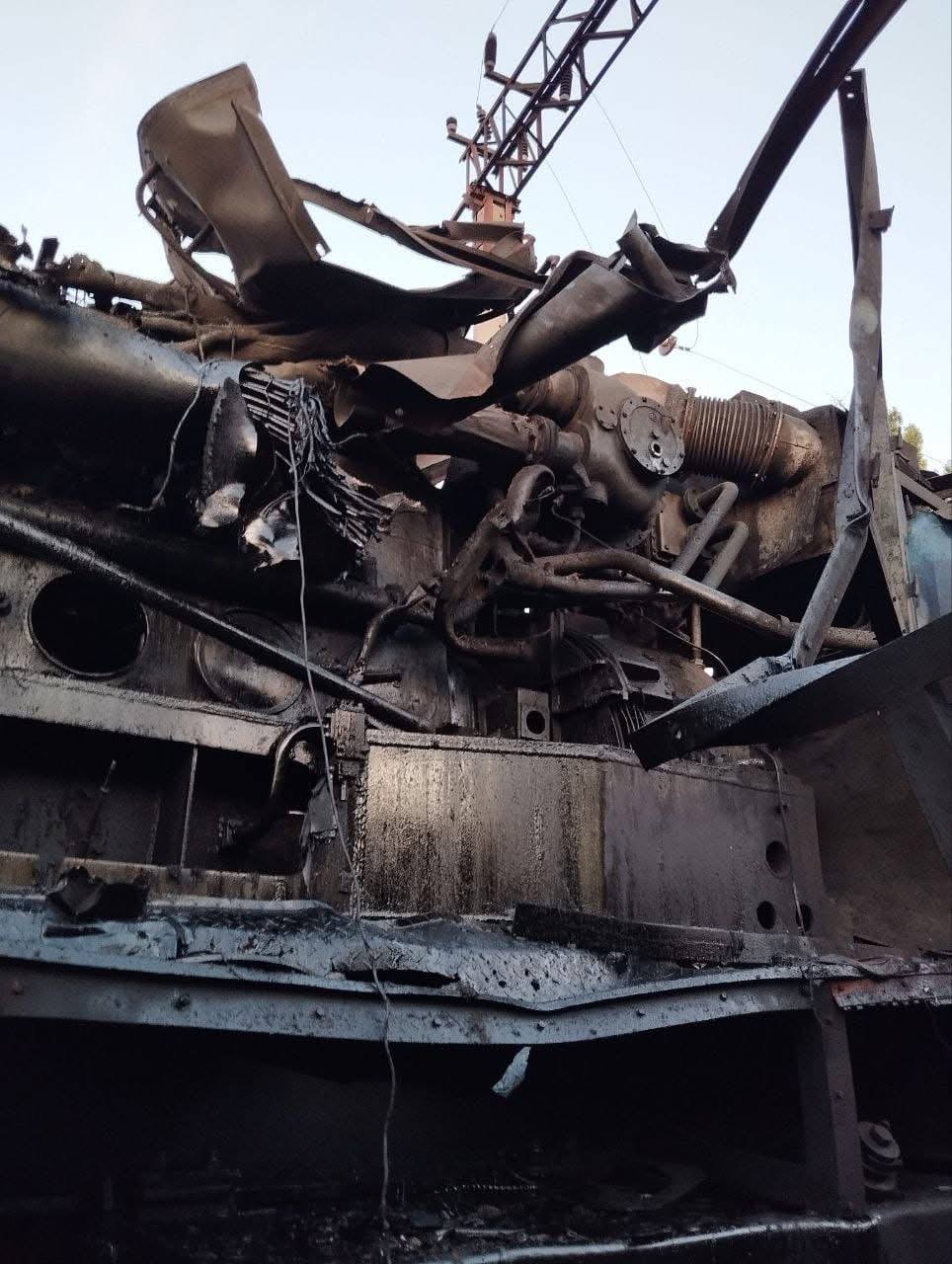
Ukrzaliznytsia elaborated that Russians struck areas around the Odesa ports in an effort to block access to them.
However, according to the statement, a deployed monitoring and alert system was effective, and railway workers took shelter in time. No employees were injured in the attack.