Russia targets school and clinic in deadly strike of Dnipropertrovsk, killing two people
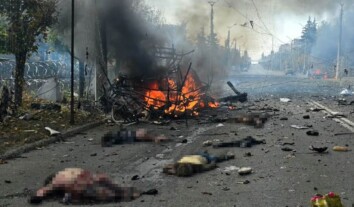
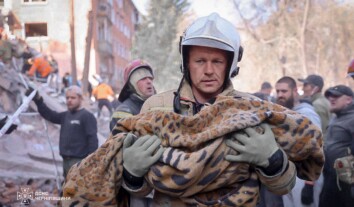
A Russian missile strike killed two people and injured four others in the Vasylkiv hromadaі in the Synelnykove district of Dnipropetrovsk Oblast on the morning of July 19, 2025, according to the Dnipropetrovsk Oblast Military Administration and Ukraine’s State Emergency Service.

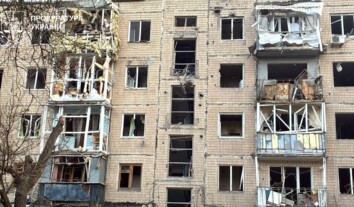
The strike damaged an outpatient clinic, a school, and a cultural institution, authorities reported.
Emergency crews extinguished the fire caused by the strike. The attack also damaged a chapel, a shop, and a power line.
Serhii Lysak, head of Dnipropetrovsk Oblast Military Administration, said Russia’s large-scale attack on Pavlohrad killed a 68-year-old man, according to the latest information. The strikes injured another man, aged 24, who will receive outpatient treatment.
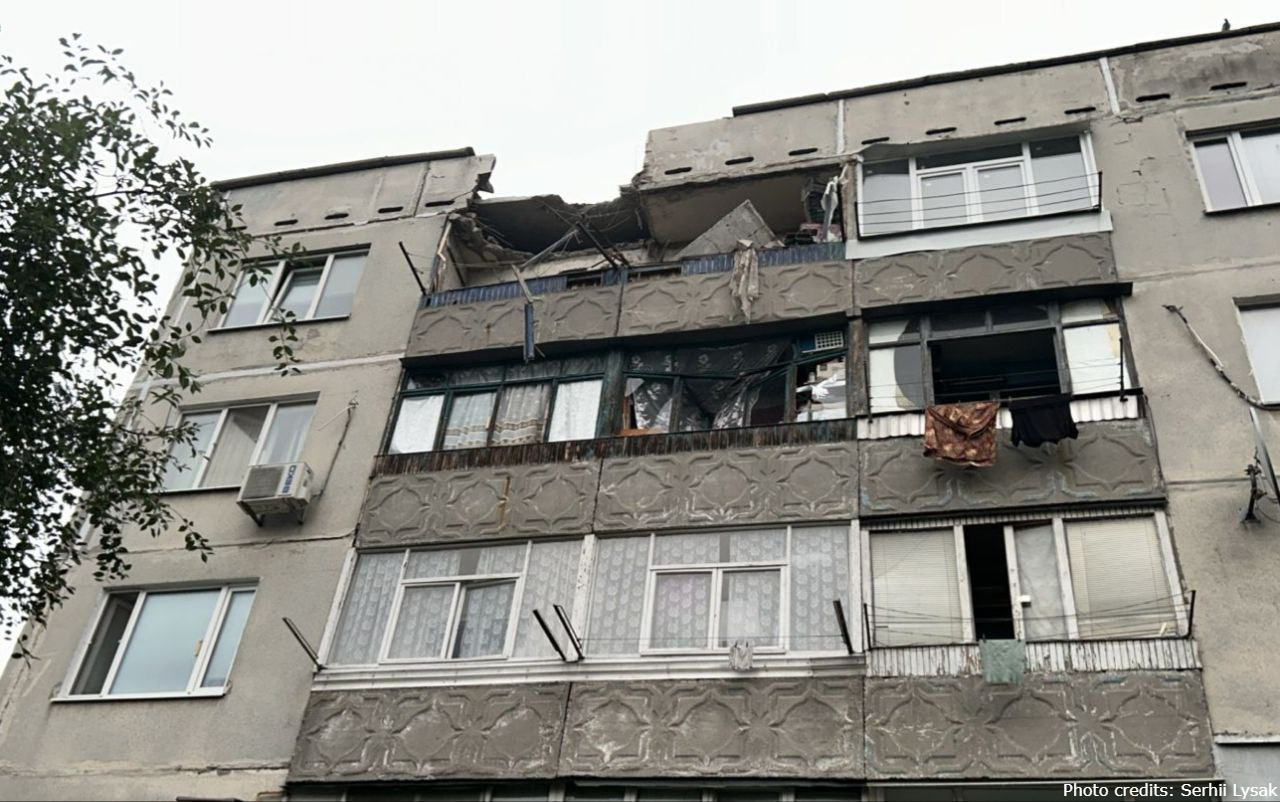 Aftermath of Russian shellings of Pavlohrad city
A 73-year-old man suffered injuries and was hospitalized in the Nikopol district. The attacks damaged two businesses, social and medical institutions, a transport stop, three houses, four farm buildings, a greenhouse, and a tractor. The strikes sparked several fires.
Ukrainian President Volodymyr Zelenskyy, in his evening address, announced that National Security and Defence Council Secretary (NSDC) Rustem Umierov had proposed a meeting with the Russian Federation next week. The President emphasized that Ukraine is ready for a meeting at the leadership level.
According to Zelesnkyy, the team is currently working on another POW exchange.
“NSDC Secretary Umierov also reported that he had proposed to the Russian side that the next meeting be held next week. The momentum of the negotiations must be increased. Everything must be done to achieve a ceasefire. And the Russian side must stop hiding from decisions. Exchange of prisoners. Return of children. Ending the killings. And a meeting at the leadership level is needed to truly ensure peace, truly lasting peace. Ukraine is ready for such a meeting,” the president stated.
Russia had not yet responded to the offer.
Ukraine’s Air Force reported that overnight on July 19, Russians attacked the country with 379 aerial weapons, of which Ukrainian forces shot down 208, while another 136 were classified as locationally lost.
Russia launched the attack using 344 drones, 12 Iskander-M/KN-23 ballistic missiles, 8 Iskander-K cruise missiles, and 15 Kh-101 cruise missiles.
According to the Air Force, Ukrainian air defenses destroyed 208 weapons: 185 Shahed-type strike drones, 7 Iskander-M/KN-23 ballistic missiles, 7 Iskander-K cruise missiles, and 9 Kh-101 cruise missiles.
Ukrainian forces recorded hits from 5 missiles and 30 strike drones across 12 locations, as well as debris from downed weapons falling across 7 locations.
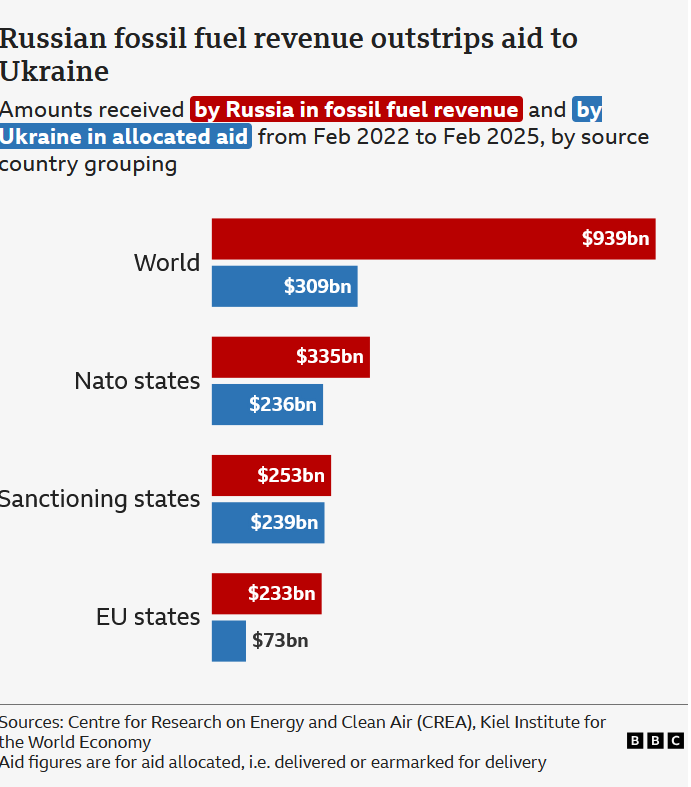
Earlier, BBC’s Russia editor Vitaly Shevchenko pointed out that Russia has continued to make billions from fossil fuel exports to the West, data shows, helping to finance its full-scale invasion of Ukraine, now in its fourth year.
Since the start of that invasion in February 2022, Russia has made more than three times as much money by exporting hydrocarbons as Ukraine has received in aid allocated by its allies.
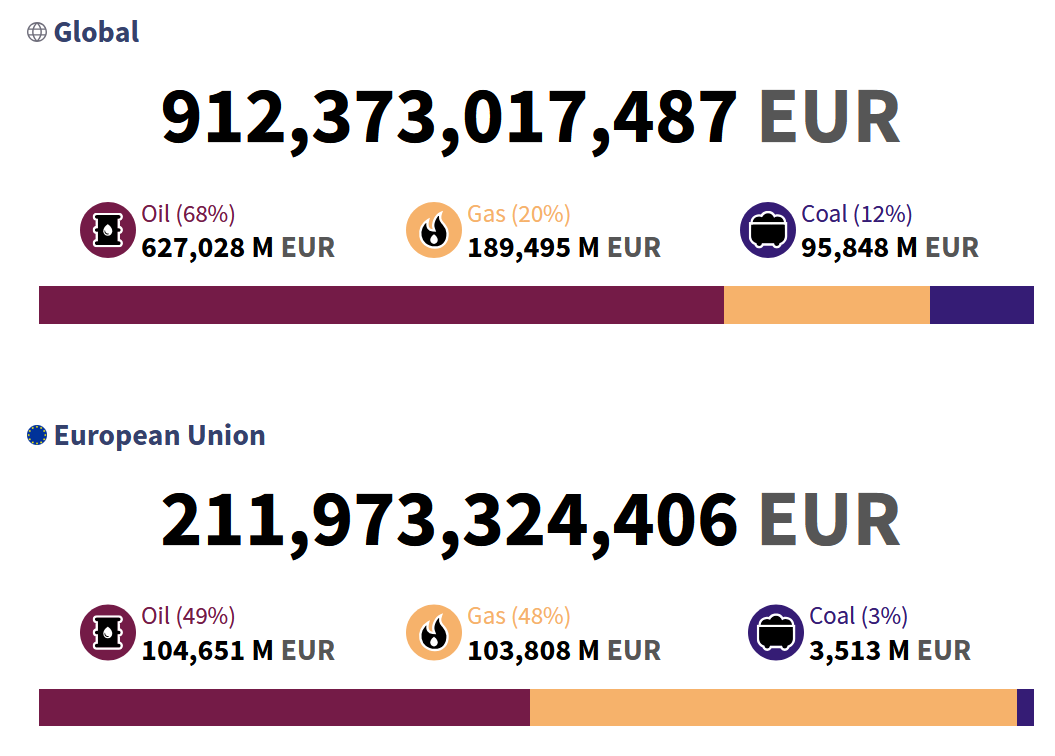
Despite the sanctions imposed on Russia, by July 19, Russia had made more than €912bn in revenue from fossil fuel exports since the start of the full-scale invasion, according to the Centre for Research on Energy and Clean Air (CREA).
Hungary and Slovakia also fund Russia’s war, receiving Russian pipeline gas via Türkiye.
Despite Western efforts, Russia’s fossil fuel revenues in 2024 fell by only 5% compared to 2023, along with a similar 6% drop in export volumes, according to CREA. Last year also saw a 6% increase in Russian revenue from crude oil exports, and a 9% year-on-year increase in revenue from pipeline gas.
Russian estimates say gas exports to Europe rose by up to 20% in 2024, with liquefied natural gas (LNG) exports reaching record levels. Currently, half of Russia’s LNG exports go to the EU, CREA says.
Mai Rosner, a senior campaigner from the pressure group Global Witness, says many Western policymakers fear that cutting imports of Russian fuels will lead to higher energy prices.
“There’s no real desire in many governments to actually limit Russia’s ability to produce and sell oil. There is way too much fear about what that would mean for global energy markets. There’s a line drawn under where energy markets would be too undermined or too thrown off kilter,” she told the BBC.
In addition to direct sales, some of the oil exported by Russia ends up in the West after being processed into fuel products in third countries via what is known as “the refining loophole”. Sometimes it gets diluted with crude from other countries, too.
CREA says it has identified three “laundromat refineries” in Türkiye and three in India, processing Russian crude and selling the resulting fuel to other countries. It says they have used €6.1bn worth of Russian crude to make products, while evading sanctions.
“[These countries] know that sanctioning countries are willing to accept this. This is a loophole. It’s entirely legal. Everyone’s aware of it, but nobody is doing much to actually tackle it in a big way,” says Vaibhav Raghunandan, an analyst at CREA.
Campaigners and experts argue that Western governments have the tools and means available to stem the flow of oil and gas revenue into the Kremlin’s coffers.